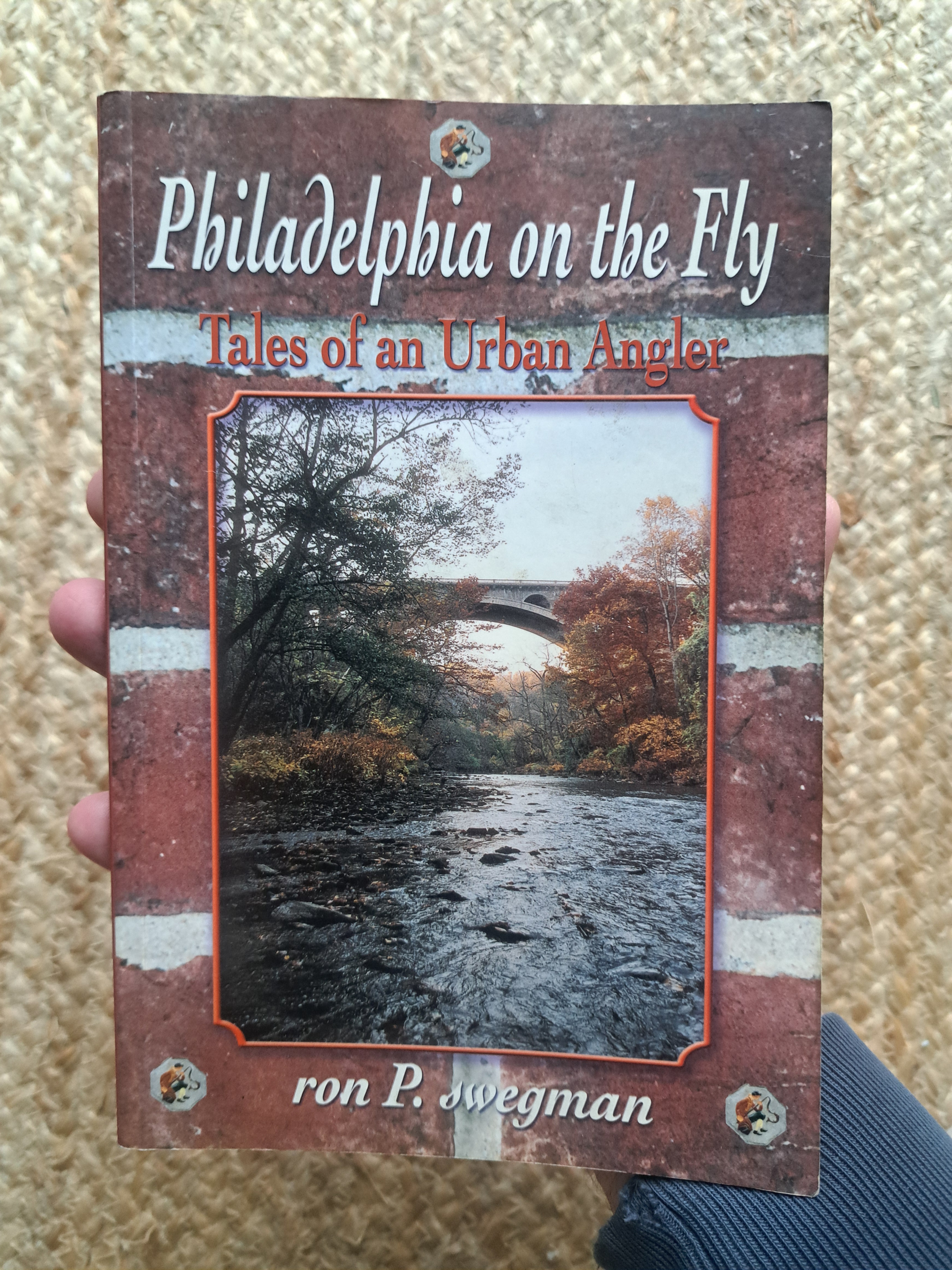
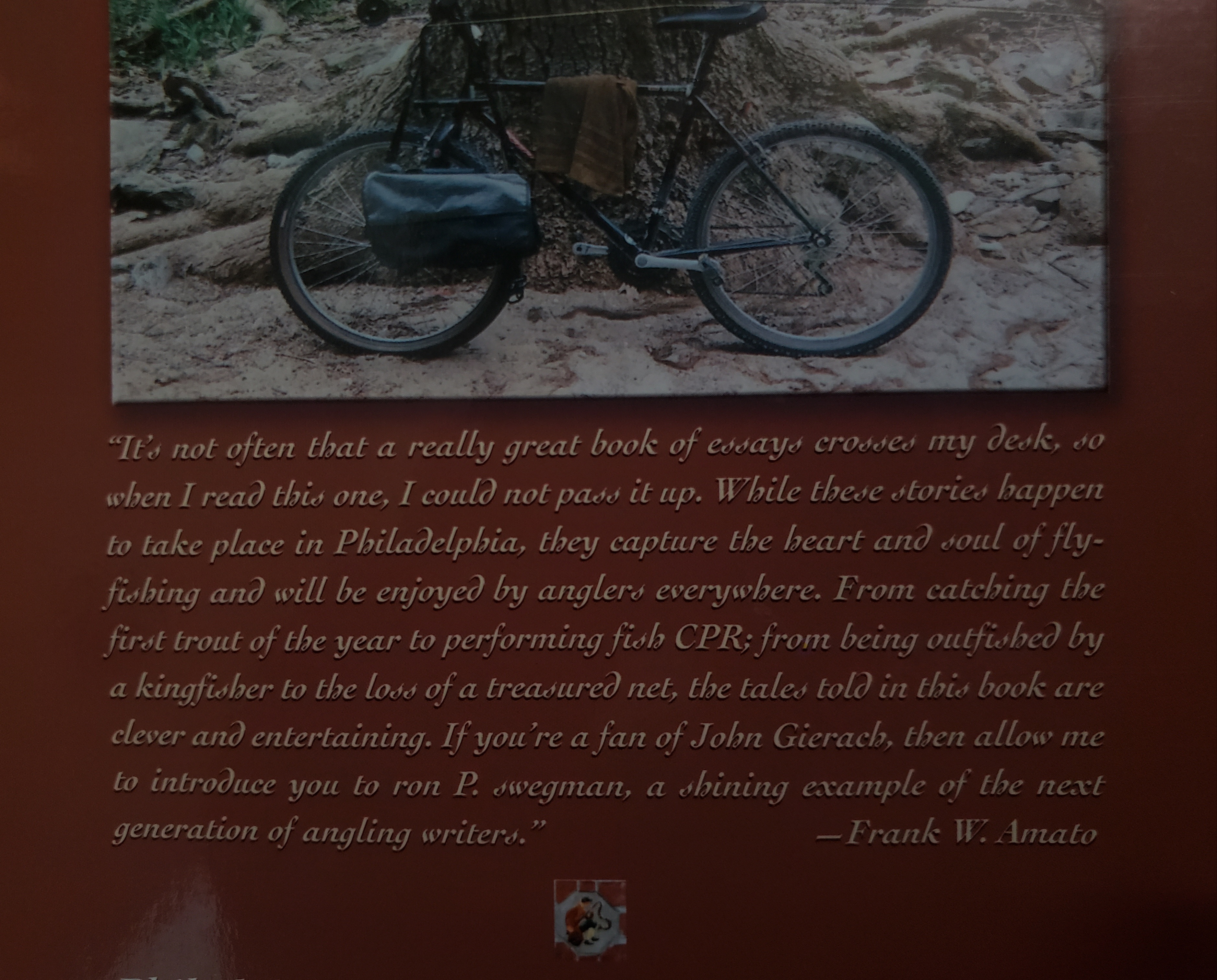
Today, August 1, 2025 marks the 20th anniversary of my receiving my first author’s copy of my first book, Philadelphia on the Fly: Tales of an Urban Angler.
The area I fished during the writing and illustration of the book has changed dramatically, with much redevelopment, and few seem to much remember the rough banks that once lined the Schuylkill River at the start of the 21st Century. Conversely, the Wissahickon Valley has maintained its wild integrity.
My little book has, if nothing else, provided a literary descriptive moment in time for an American urban outdoor space that thankfully still remains.
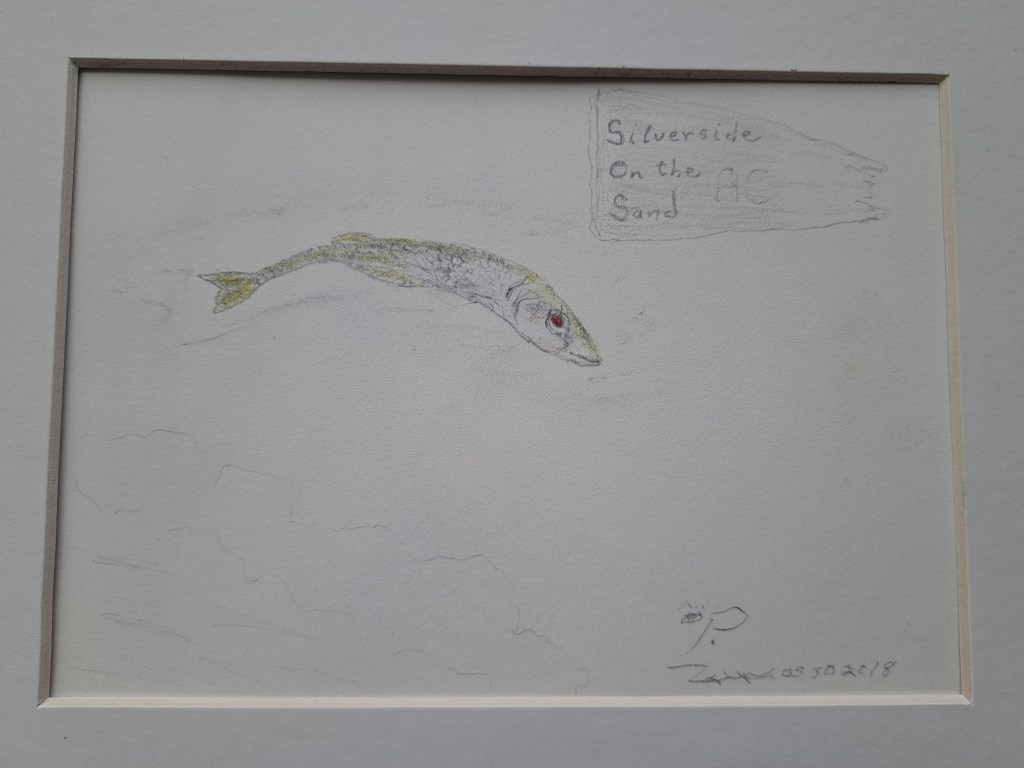
Silverside on the Sand AC: color on paper, by ron P. swegman
Tenkara Takes Manhattan: Live
Tenkara Takes Manhattan will be signing books and showing artwork at Brigantine VFW Memorial Post 6964 just north of Atlantic City on Saturday, May 10, 2025.
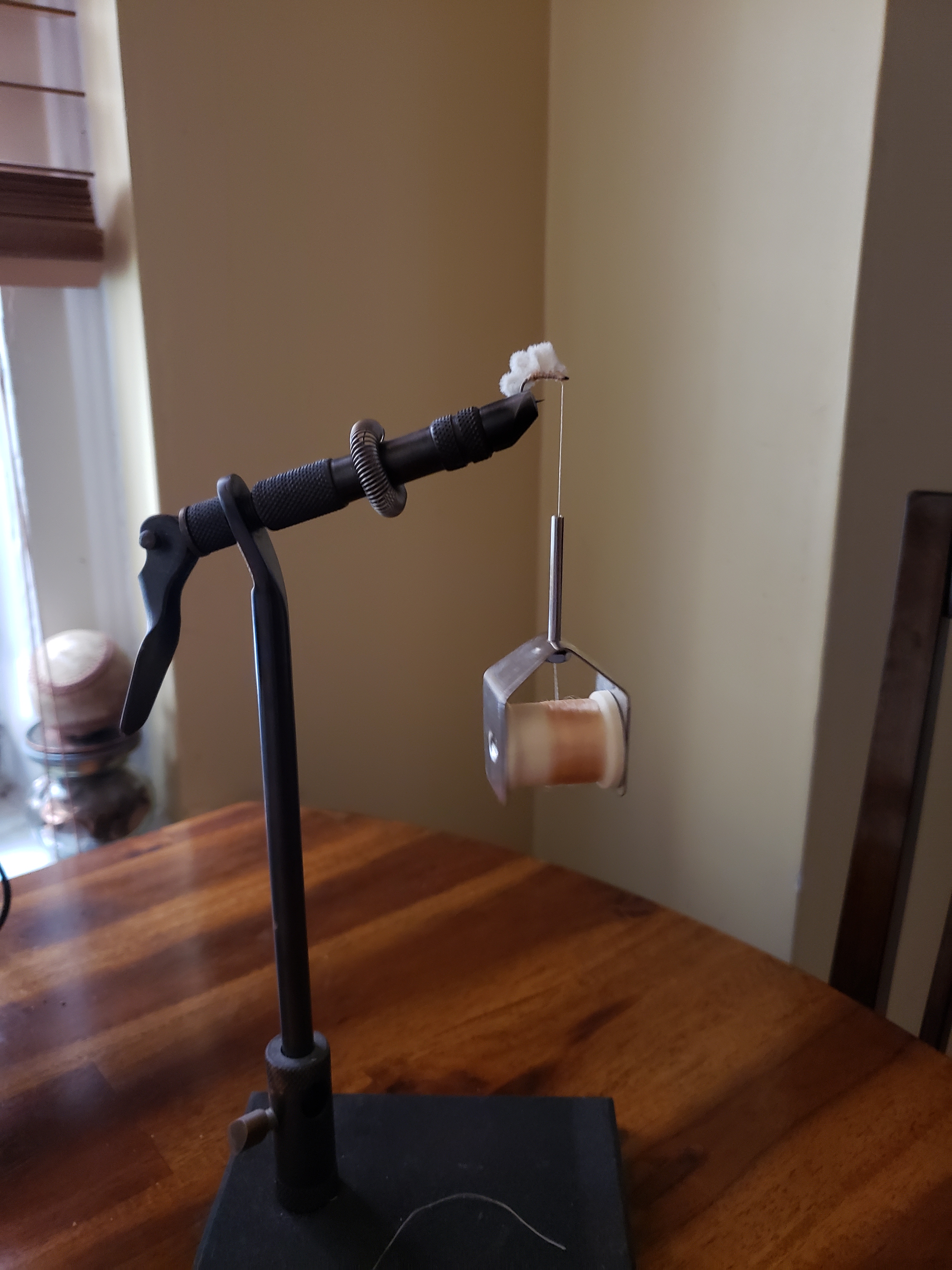
Copies of Philadelphia on the Fly: Tales of an Urban Angler and Small Fry: The Lure of the Little shall be available as well as signed original artwork and a few select fly patterns, including soft hackles tied for panfish and trout, and saltwater patterns meant for fluke, striped bass, and herring.
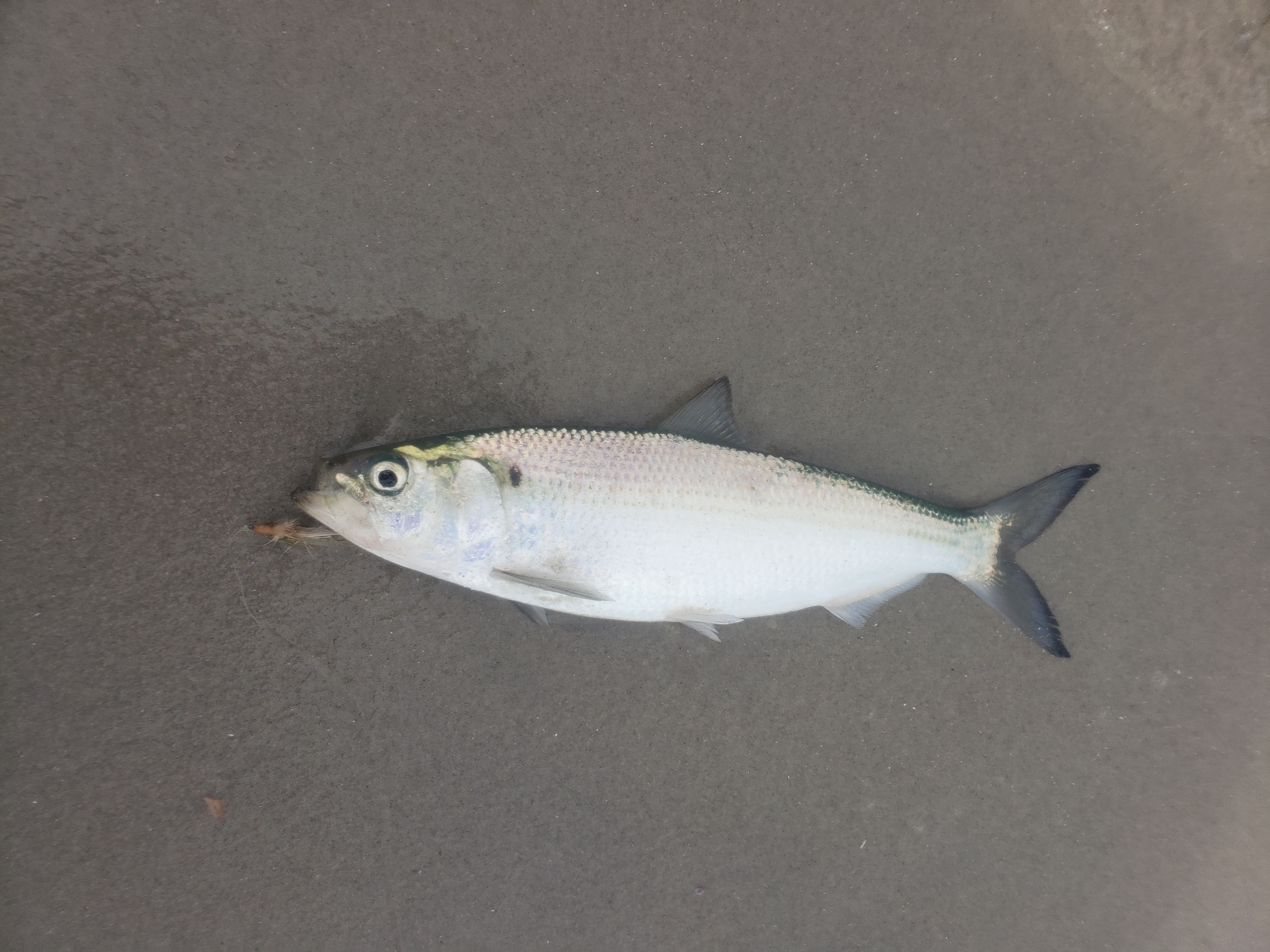
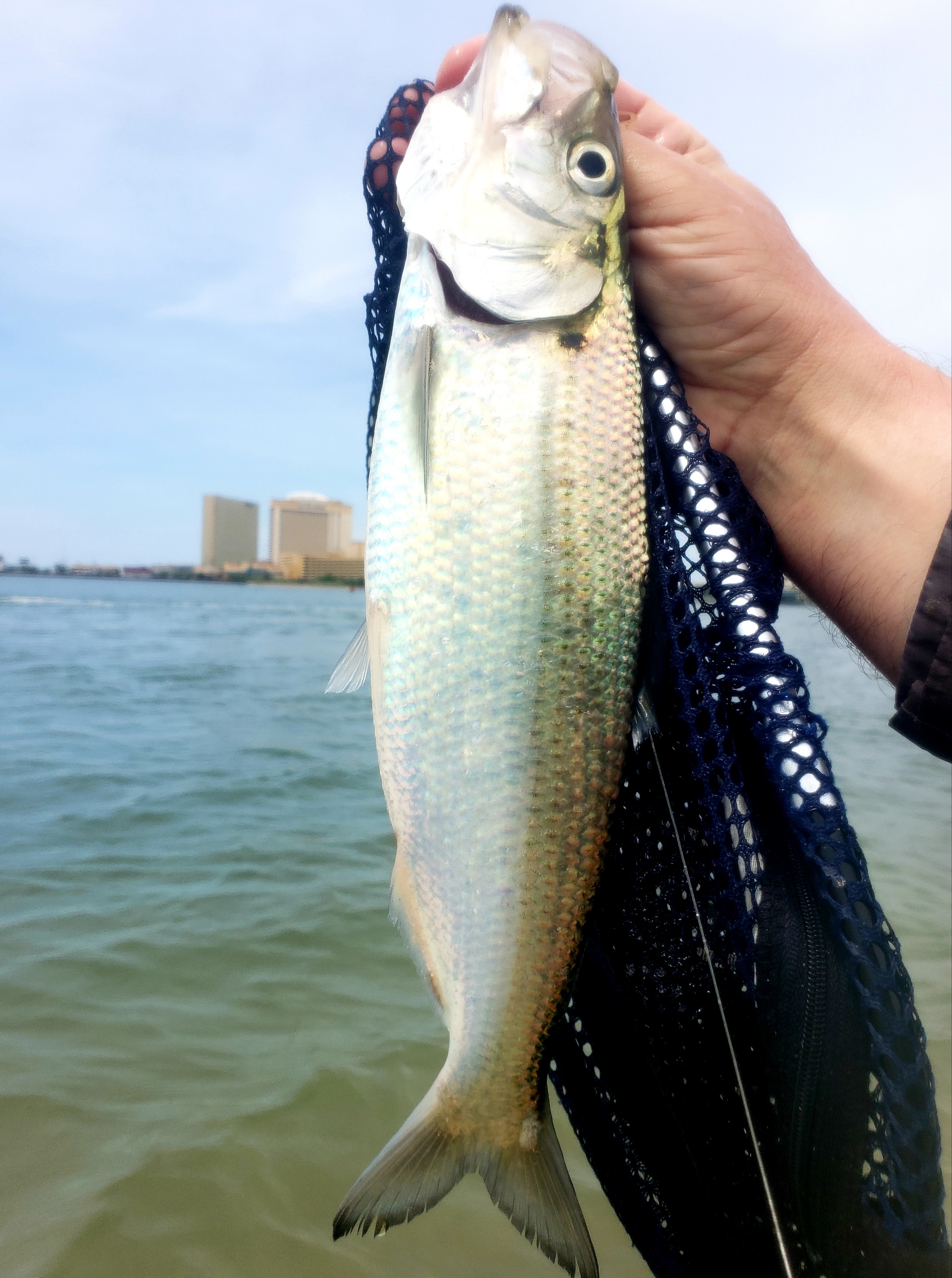
The hickory shad has become an exciting quarry to pursue with tenkara.
The hickory shad (Alosa mediocris) is smaller than the American, averaging 12 to 18 inches, but the fish is just as strong and acrobatic when hooked. The species frequently schools and chases bait close to shore, making fixed line fishing possible.
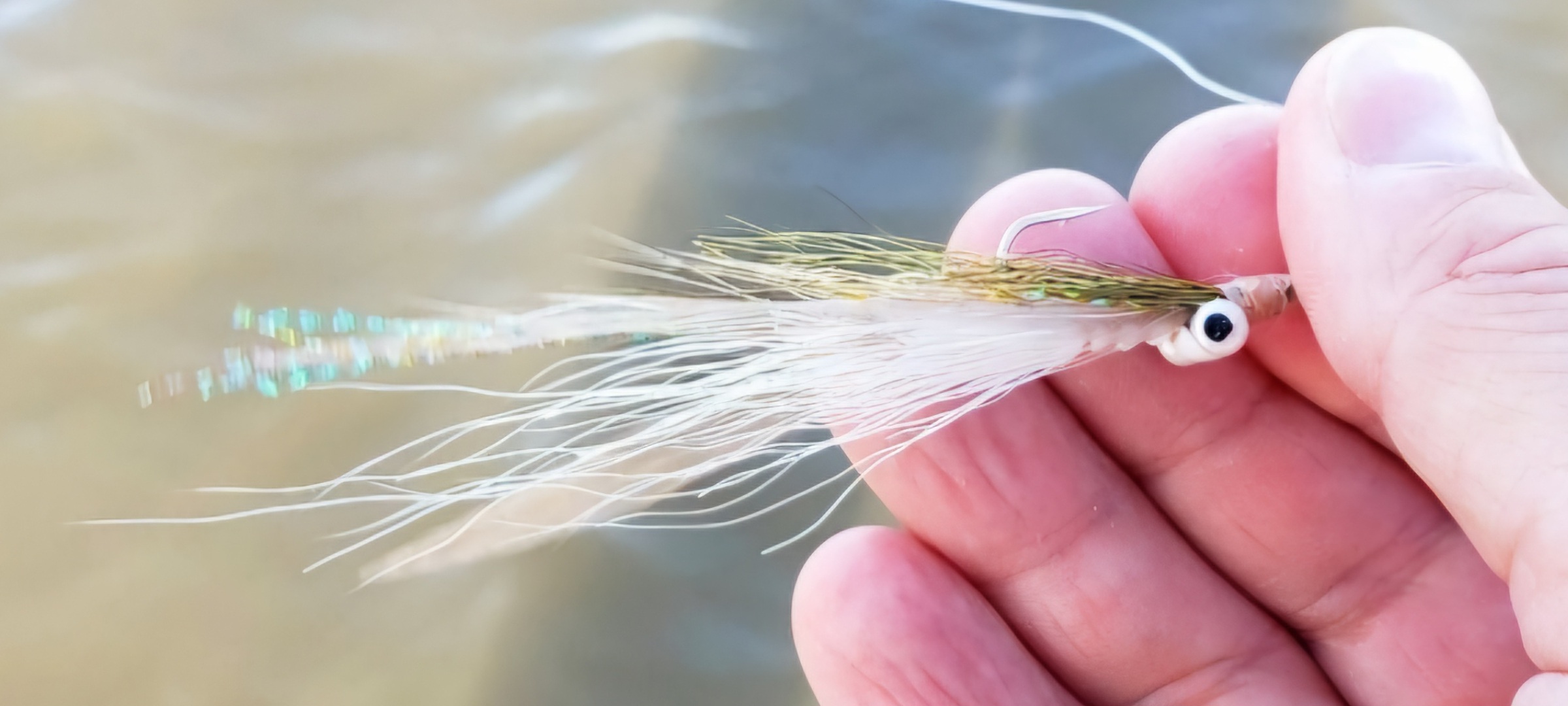
A Half and Half or Deceiver tied on a smaller size 6 or even 8 hook will match the size of the bait being hammered by the hickories. The best presentation is a repeated fast-paced toss and race across the water top.
Hickory shad fight as hard as a trout with the even more aggressive head shakes common with saltwater and anadromous species. Frequent jumps are thrilling, and a challenge, as the hickory shad’s boney mouth resists an easy hook set.
James Wu with an impressive New York City Cyprinus carpio. (NYC 05 2021)
There is a Japanese word — Yugata — that describes the golden hour when the slanted sun reflects off the earth in a particulary vivid, golden way.
Much of the same intensity and clarity can be experienced when a carp — the golden bone of freshwater fishes — rises to a fly and comes to the net.
May and June are the peak month’s for carp fishing in the American Northeast. Time, then, to tie some specific fly patterns to match nymphs and another carp food favorite: tree flower petals.
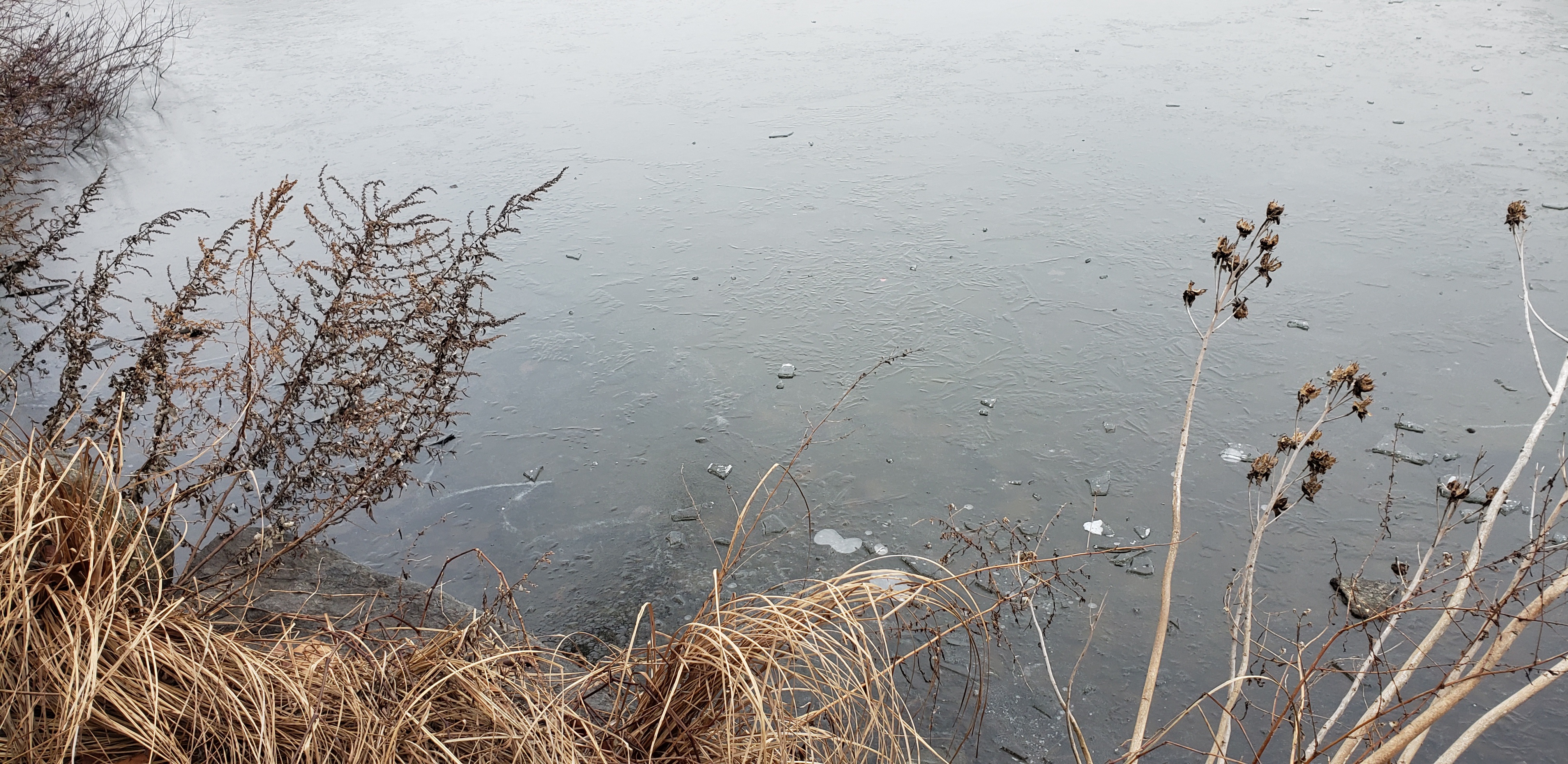
Early rise and an eager hike to the park for a final fishing trip found its goal foiled by that signature of the season: ice.
True, the new lid on the lake was “Hielo fino” with a few teasing openings, yet not enough free water presented itself for practical angling. The season is now . . . on ice.
So, 2020, a year to remember – not so much – comes to a close. Those days of bluegill and bass, the elusive trout and carp, and exciting new experiments in the salt – fluke and more – the silver linings to an unexpected, challenging, trying time, remain to warm the imagination over the winter.
November 30, 2020 at 3:59 pm · Filed under Uncategorized
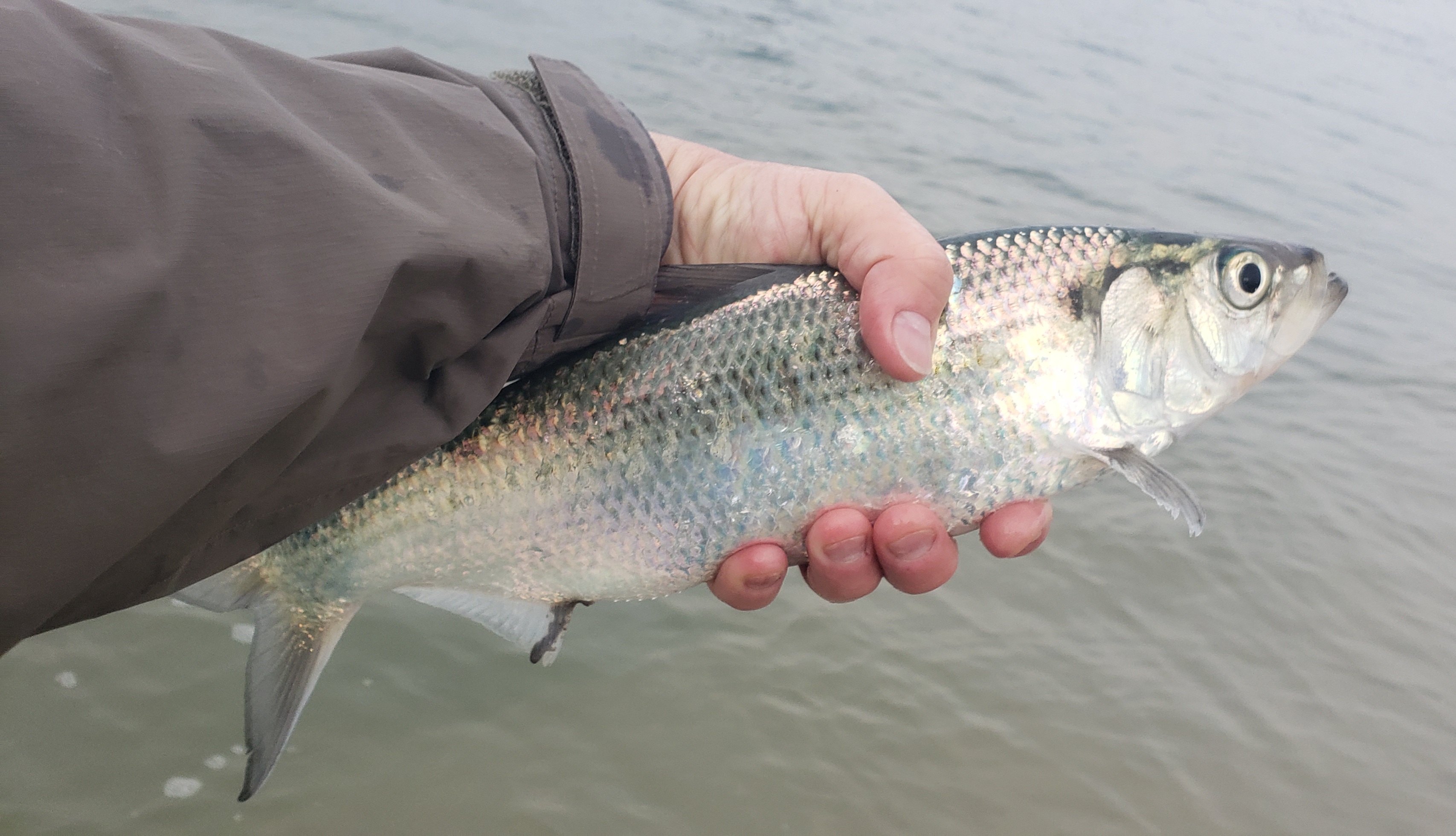
American Shad: my most noteworthy fish this November (11 2020)
The fall season may not be the most productive time for angling; it depends on the fish species you pursue, but it sure is a pretty time to take tenkara to the water.
Perhaps it’s the clarity of the air, the thinning of the colored leaves, the change of the light, which fades so much more swiftly at end of day by the time Thanksgiving arrives.
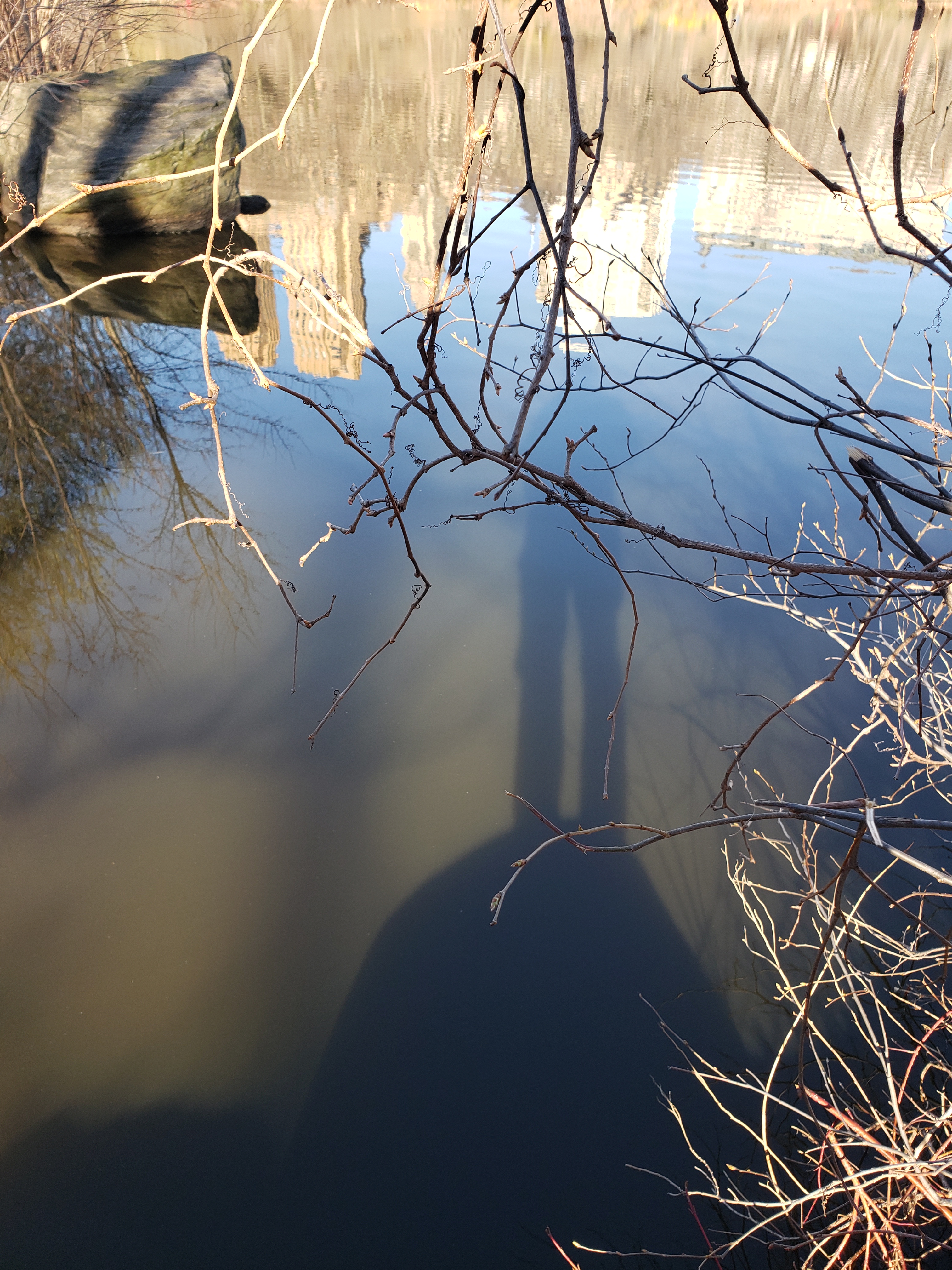
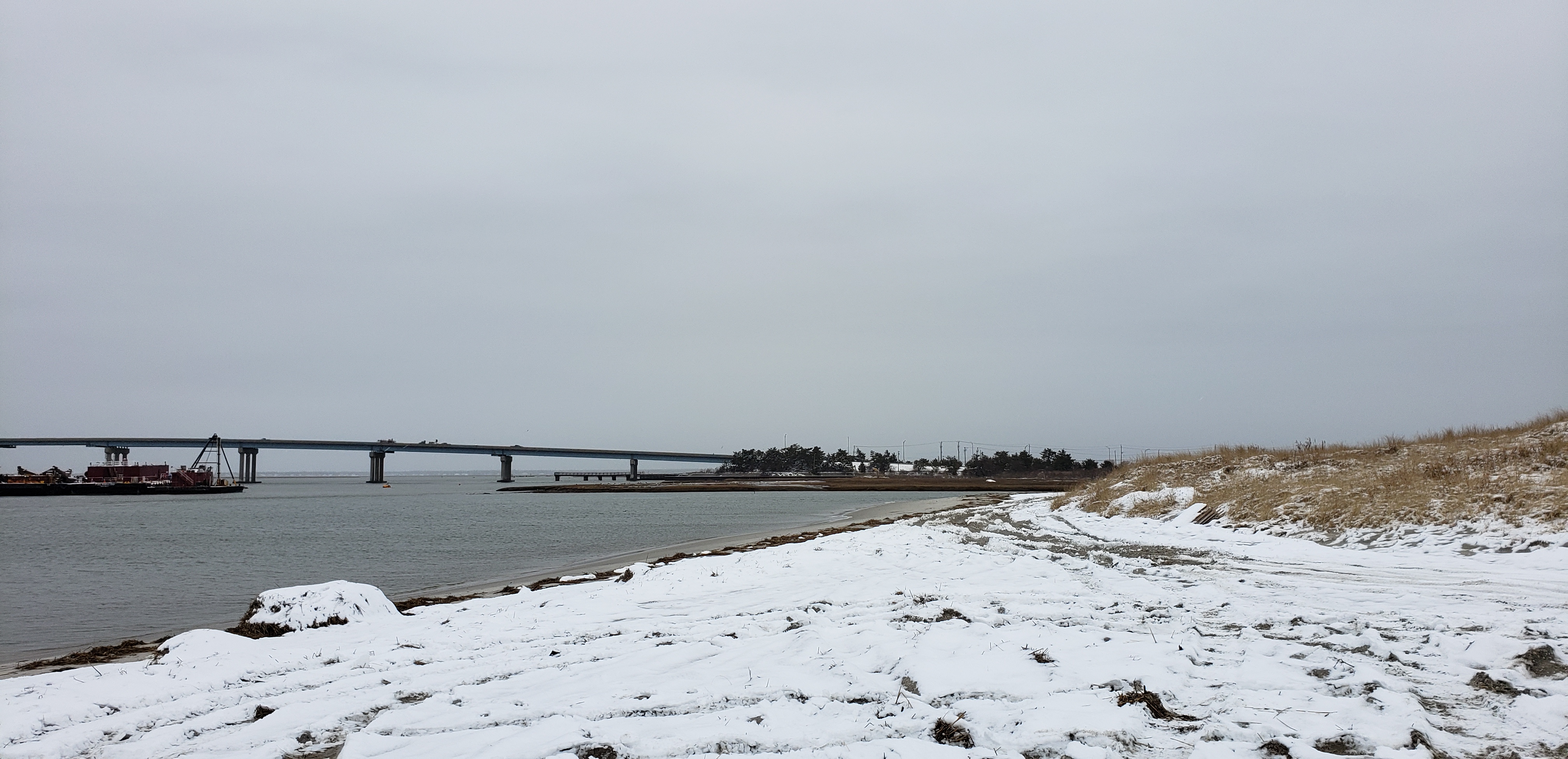
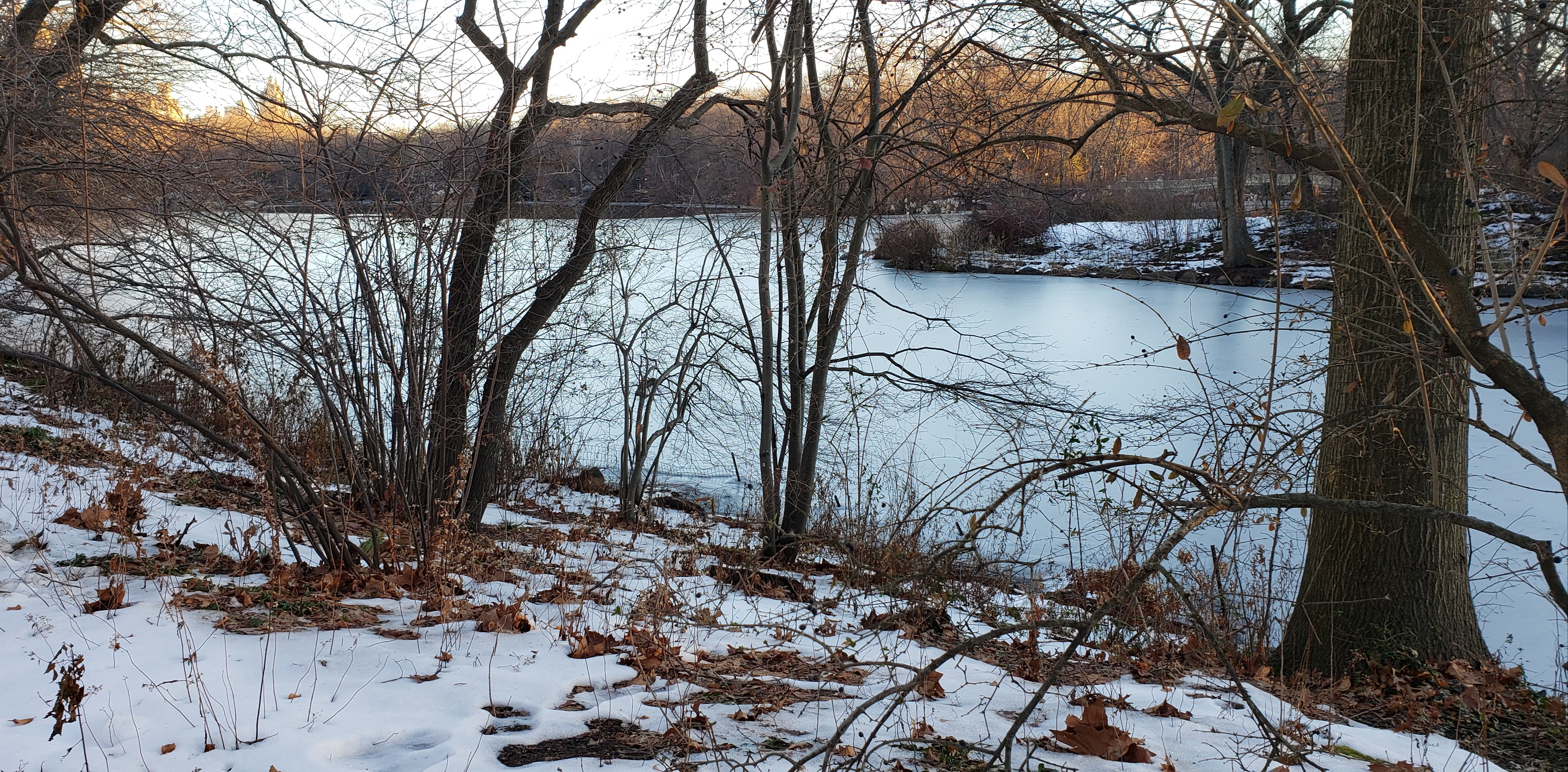
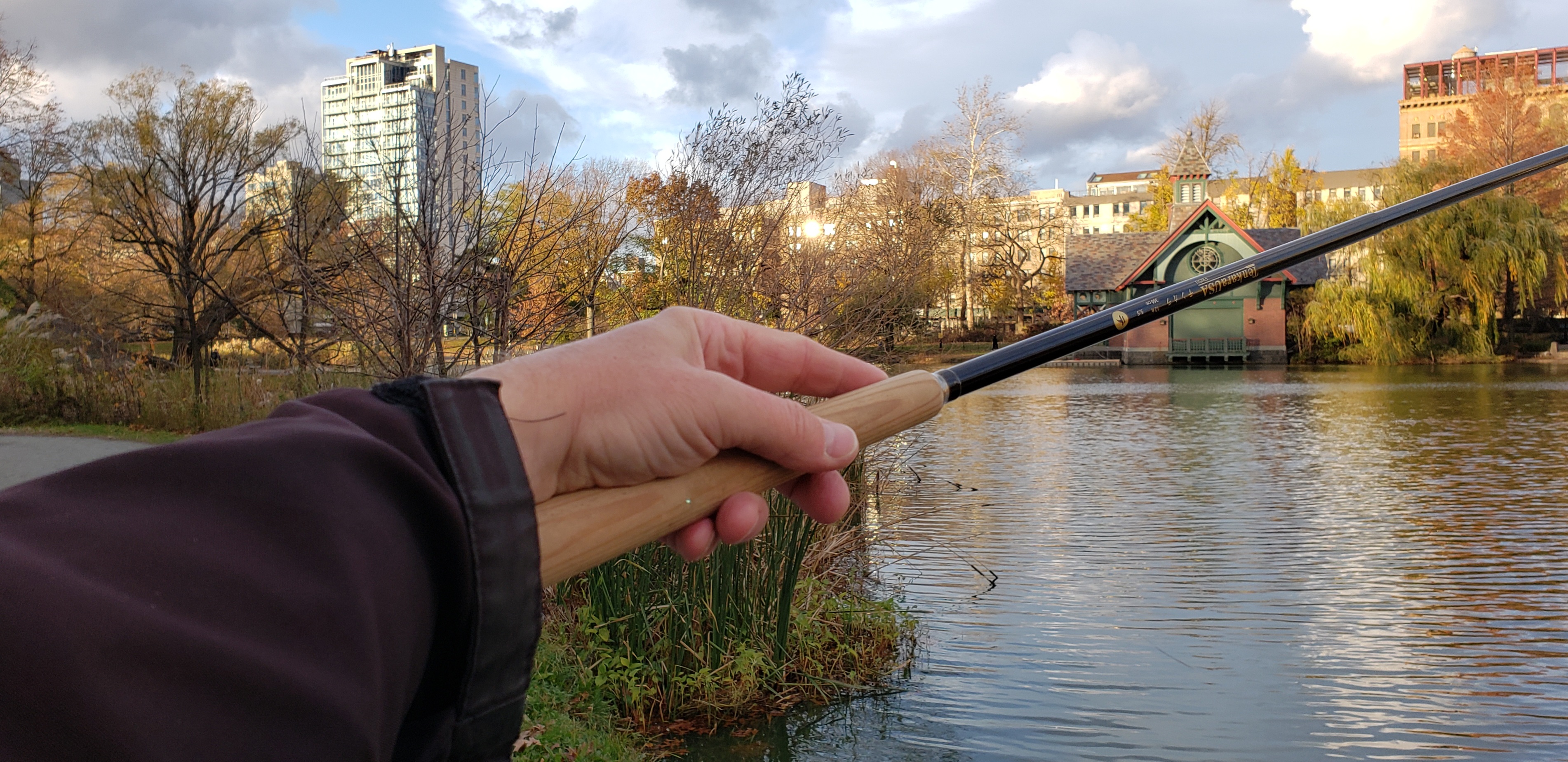
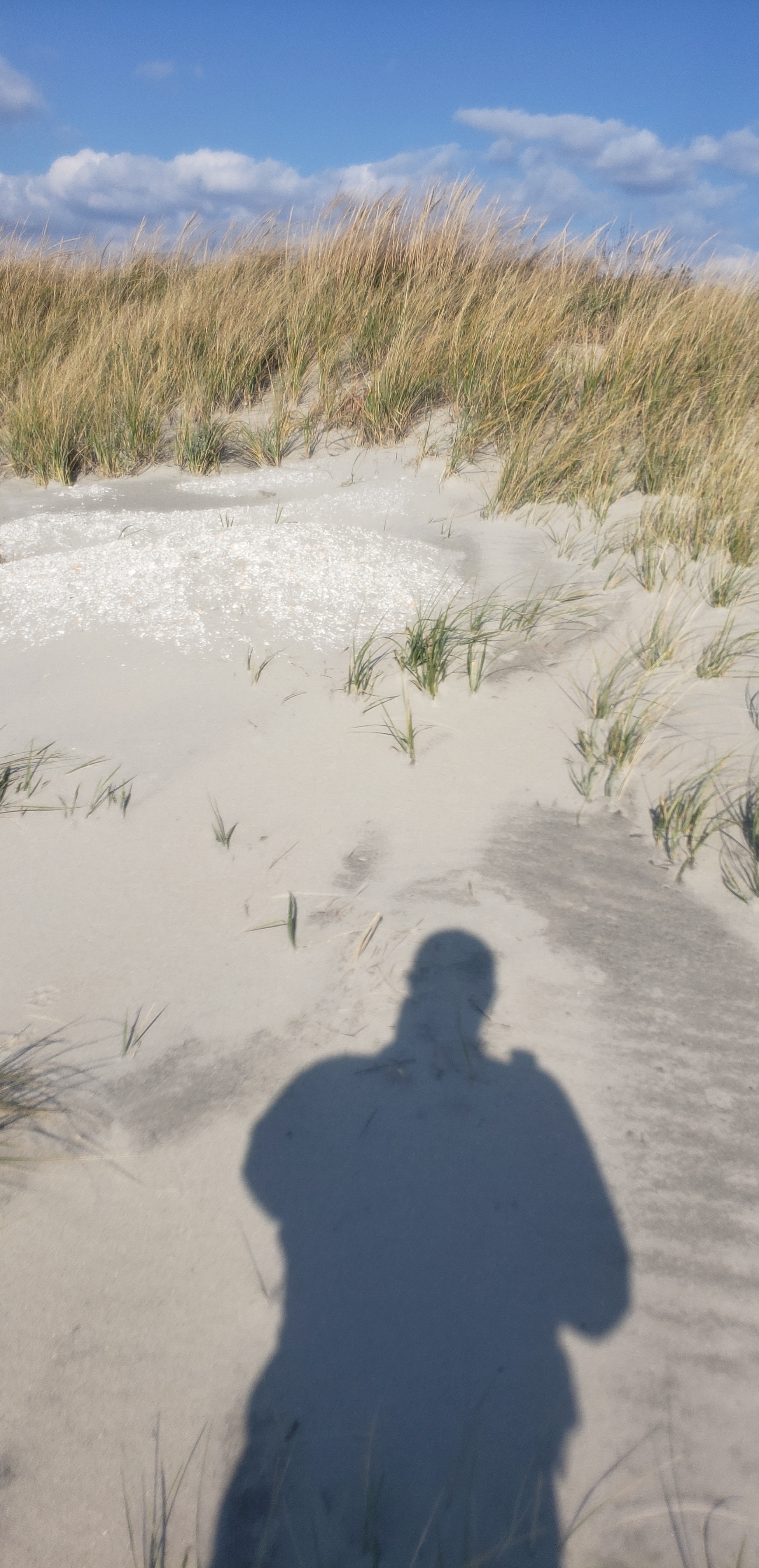
I have explored back bay salt and city pond banks this November, and both locales have offered slower fishing, yet given me great views:
The Pond
Urban Autumn (NYC 11 2020)
The Back Bay
Silhouette on Sand (11 2020)
Freshwater or salt, the late fall is a time to exalt Ebisu, the Japanese god of fishing, before the inevitable ice-over of the coming winter.




 Tenkara Takes Manhattan