Archive for February, 2015

Tenkara and Trichoptera

Tenkara and Trichoptera . . .

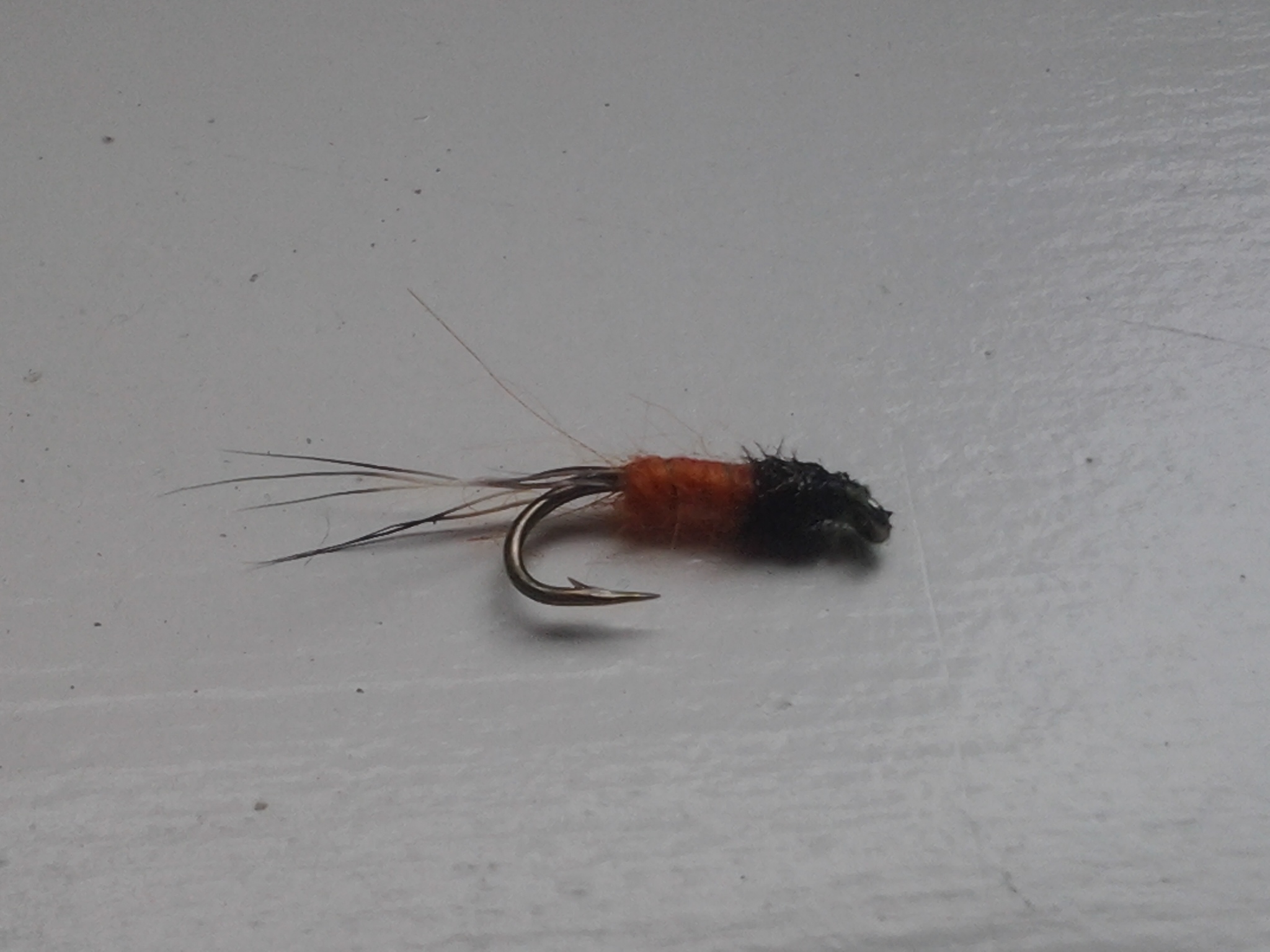
Olive Tenkara Trichoptera Larva (ties 02 17 2015)

Olive Tenkara Trichoptera Larva
(ties 02 17 2015)

“The architect in the stream.”

One could make the case that bugs are in my blood. My paternal uncle, Bernard G. Swegman, has worn several hats over the course of an academic career that includes published papers on caddisflies, the trichoptera. i

Caddis patterns are a pillar of creative fly tying and effective fly fishing. The caddis dry fly can be like potato chips to an eager trout. The nymph and emerger must offer a flavor that overcomes the texture of their exterior cases self-constructed from sticks and pebbles and mortar. Yes, to me, the caddis is an architect of a stream insect.

Besides trout, wet caddis imitations make an excellent start pattern for the smallmouth bass and sunfish found in the freestones of the Mid-Atlantic region. Green sunfish, redbreast sunfish, and rock bass all take the nymph swung by structure and drifted along current seams.

One tenkara trichoptera of my own I like to swing along rock ledges and other deep bank areas. A simple larva pattern, not unlike a Poopah pattern, the body of this one appears more straight and sinuous on account of ultra chenille instead of dubbing; I also employ a standard wet fly hook that extends the ribbed tinsel body just a bit.

A tenkara rod’s greater length allows me to high stick this fly in areas open overhead where exposed clay banks are often found beside meadows. Smaller sizes 14 through 18 in olive, tan, or gray all lure fish with the olive coaxing more specimens to net on an average day

Olive Tenkara Trichoptera Larva

Recipe:
Size 14-18 Mustad 3906 wet fly hook
Olive ultra chenille for body
X-SM French tinsel for rib
Peacock herl for thorax
6/0 Green UNI-thread for wrap

– rPs 02 17 2015

i “Occurrence Of An Intersex Individual Of Psychomyia flavida (Trichoptera)”
B G Swegman Entomological News 89: 187-188 (1978)

Leave a Comment

Angling Art and Manhattan Kebari

Angling Art and Manhattan Kebari . . .

I Found Fishing Writer's Block:  mixed media (copyright 2015 by ron P swegman. all rights reserved.)

I Found Fishing Writer’s Block: mixed media
(copyright 2015 by ron P swegman. all rights reserved.)

My fishing jacket’s front zippered pockets are reserved for light litter storage and occasional gifts. The latter may include tackle, lures, and sometimes flies found over the course of an outing on the water. One pond trip in 2014 brought to my gift pocket a green pencil snapped in two and a small red and white bobber. Arranged this week with a small amount of imagination created a new sculpture – “I Found Fishing Writer’s Block” – visual metaphor rendered in the medium of found fishing objects, photographed.

More conventional material creation has included my attempts at kebari. The patterns I call “kebari” for I fish these patterns in subtle variation with my Ebisu and Yamame telescoping rods in the streams and stillwaters I explore on this east coast of North America.

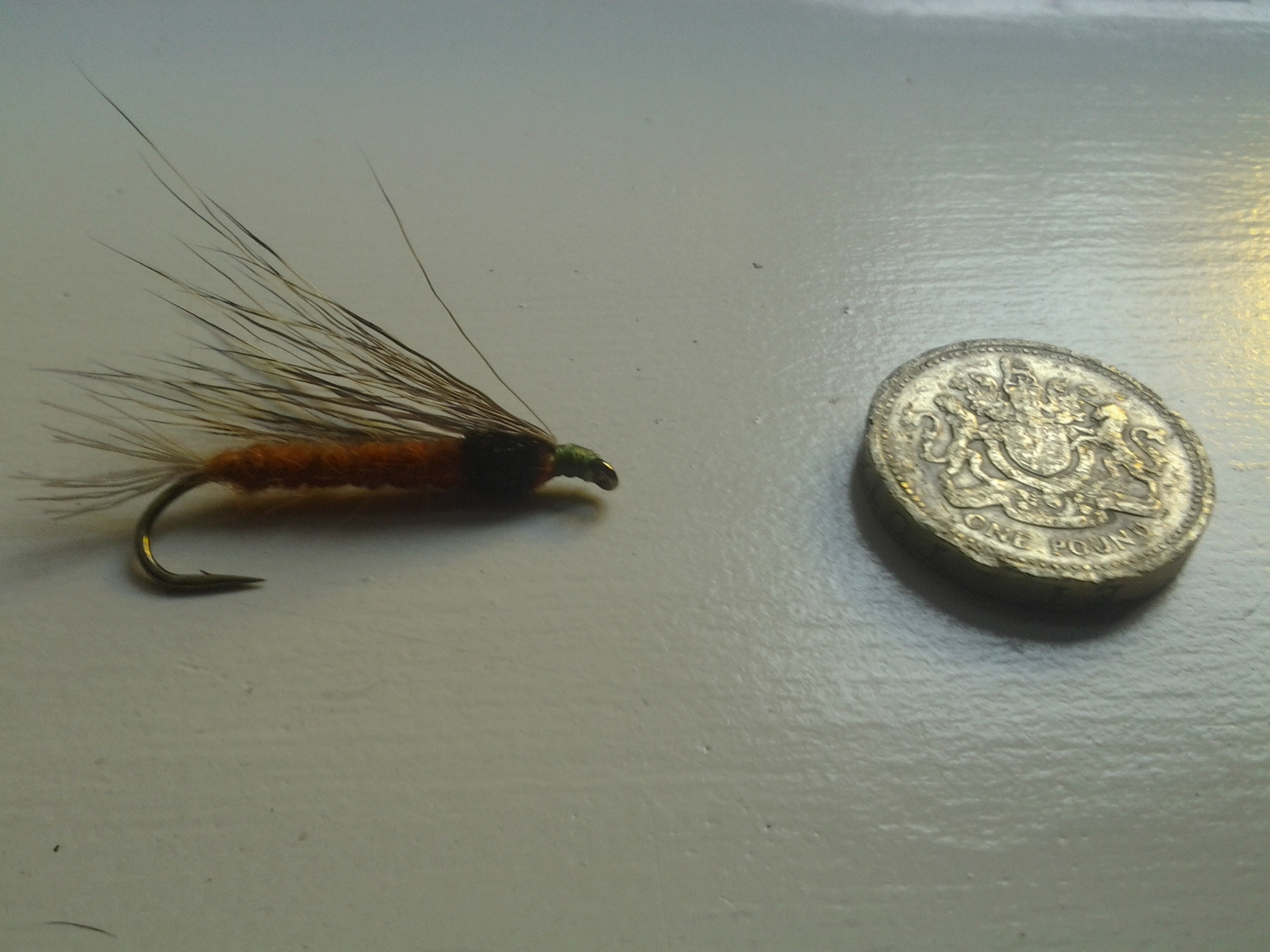
Some pumpkin yarn came into hand from my friend, Brian. Time seeing this material go unused was spent in contemplation, which incubated tying ideas influenced first by the color found to varying degree in Dave Whitlock’s Squirrel Nymph, Safet Nikosevic’s October Caddis, and Brian’s own Cinder Worm pattern. My results this February have so far included:

Swegman’s October Caddis; a nymph

Swegman's October Caddis Nymph (tied 02 06 2015)

Swegman’s October Caddis Nymph
(tied 02 06 2015)

Recipe:
Size 12-16 Wet Fly Hook
Deer hair for tail
Pumpkin dubbing for body
Peacock Herl for thorax
6/0 Green Thread for wrap

This pattern in various colors has lured stream trout and fallfish as well as bluegills in ponds.

Swegman’s Sunfish; a weighted hair wing streamer

Swegman's Sunfish (tied 02 06 2015)

Swegman’s Sunfish
(tied 02 06 2015)

Recipe:
Size 6 Streamer Hook
.030 Wire for weight
Deer Hair for tail and wing
Pumpkin dubbing for body
Peacock herl for thorax
6/0 Green thread for wrap

This pattern is effective on black crappie and largemouth bass when the fry of bluegill and yellow perch are available as forage.

I for my record state no idea here presented is new. The colors and silhouettes, however, have been shaped by experience and conditions unique to this tenkara reporter on multiple seasons spent using both conventional and tenkara fly fishing tackle.

– rPs 02 06 2015

Leave a Comment

Design a site like this with WordPress.com
Get started