Archive for March, 2015

Tenkara Art: Primary Kebari 2

Tenkara Art: Primary Kebari 2 . . .

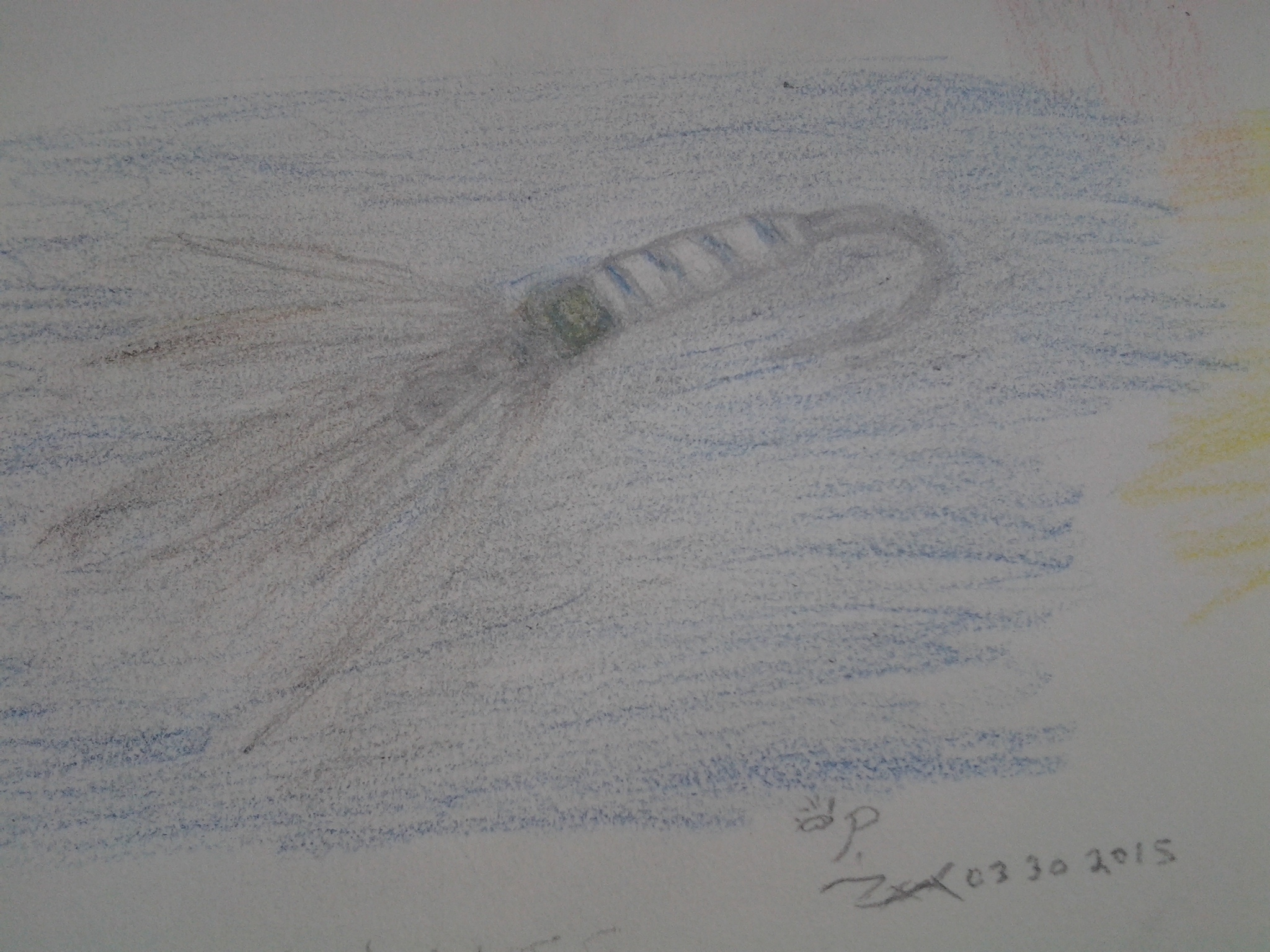
Primary Kebari 2: a partridge and white warm season soft hackle. (image copyright 2015 by ron P. swegman. All rights reserved.)

Primary Kebari 2: a partridge and white warm season soft hackle.
(image copyright 2015 by ron P. swegman. All rights reserved.)

Partridge and White

The Partridge and White Rabbit kebari is another pale pattern for warm day hatch matches of light mayfly and caddisfly species in sizes 12 to 18. Note the traditional tenkara orientation of the feather hackle. Ribbed or not, the texture of angora rabbit adds extra body. Drift from upstream with the intent on guiding the float back to the angler’s waist or free hand unless the lure of the little trout or panfish intercedes first.

The illustration uses primary colors rendered in an abstract expressionist manner to contrast with the subaqueous white.

— rPs 03 30 2015

Leave a Comment

Tenkara Art: Deer and Green

Tenkara Art: Deer and Green . . .

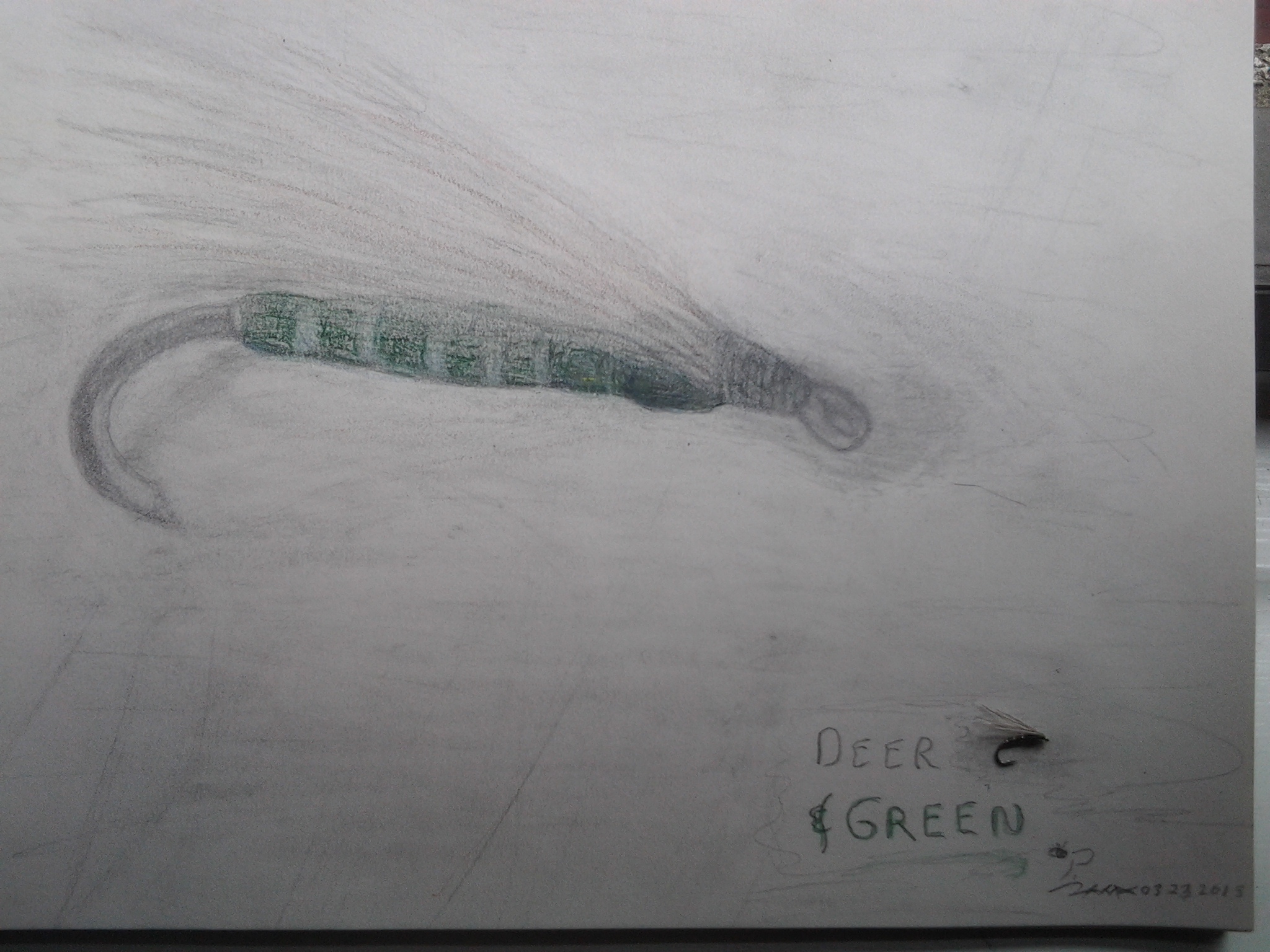
Deer and Green: an American kebari (image copyright 2015 by ron P. swegman. All rights reserved.)

Deer and Green: an American kebari
(image copyright 2015 by ron P. swegman. All rights reserved.)

The Deer Hair and Green is a soft hackle kebari tied with an American or Western oriented hackle. The recipe includes four-strand floss, French tinsel, and deer hair. Eastern brook trout are attracted to this pattern in size 14 through 18.

A large portrait of a small kebari lends an illustrative slant with a faded, marbled, impressionistic effect, the way the eyes perceive the soft blur of a pattern set in clear stream water. Colored and other pencils on acid-free paper in natural light remain my medium and process.

— rPs 03 23 2015

Leave a Comment

On Parade

On Parade . . .

Green Guarantees (c. 2015)

Green Guarantees
(c. 2015)

Green Guarantee

Color conveys the general feel of this fly pattern. Warm in a rustic and pastoral way. Of course, fishes. The small shiner or chub minnow here meets adequate imitation. Unweighted, this one serves well under the controlled twitch of a tenkara rod along seams of current following fast water. Weighted, this pattern oriented forward can dart along submerged walls of stone or weed. Most of the freshwater fishes find such presentations interesting.

— rPs 03 17 2015

Postscript: You can read more about the Green Guarantee in my second book, Small Fry: The Lure of the Little. Links to online purchasing options are available on the tool bar to the right of the screen. Or visit the website of The Whitefish Press: http://www.whitefishpress.com/bookdetail.asp?book=87

Leave a Comment

Bare Months Bluegills

Bare Months Bluegills . . .

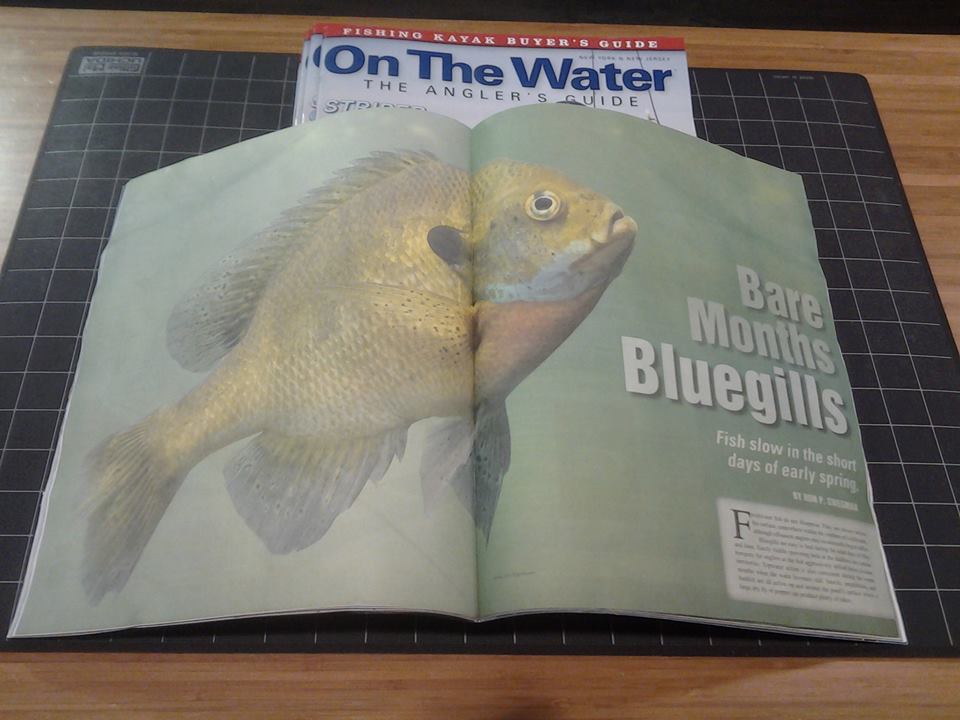
Bare Months Bluegills by ron P. swegman On the Water 03 2015

Bare Months Bluegills
by ron P. swegman
On the Water 03 2015

The March 2015 issue of On the Water features my story “Bare Months Bluegills”

Bluegills can be difficult to find and fish for during the bare months, those slivers of time when the ice may be off the water and leaves are still off the trees. Elements of conventional and tenkara fly fishing are included in the piece. My personal tenkara pond fishing technique, which includes elements of high stick nymphing and the Leisenring Lift, are described along with useful nymph patterns that can coax reticent panfish to strike.

— rPs 03 09 2015

Postscipt: The website of On the Waterhttp://www.onthewater.com/

Leave a Comment

For Short

For Short . . .

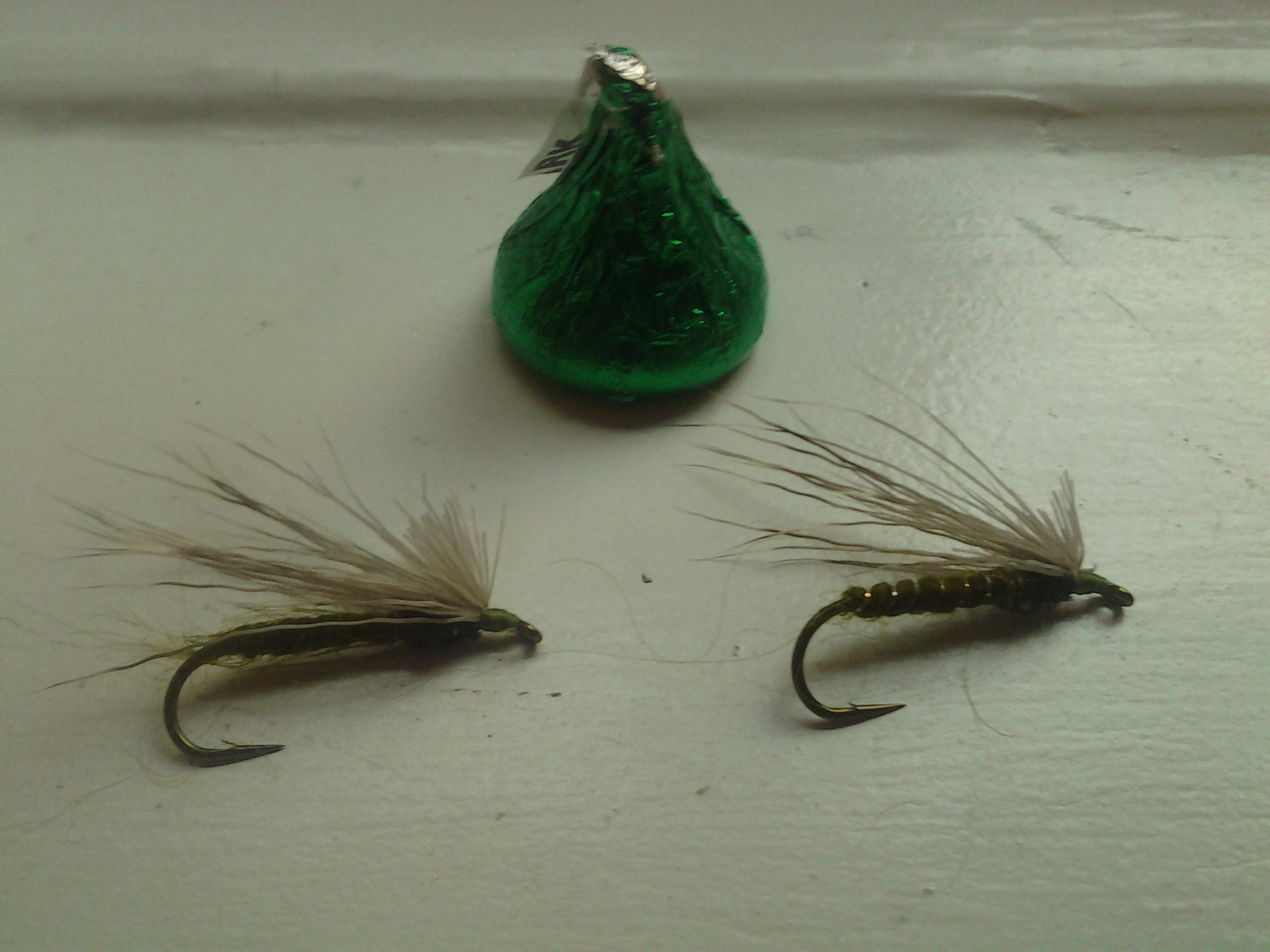
Theodore Gordon and Deer Hair Cahill Sakasa Kebari (photo taken 03 01 2015)

Theodore Gordon and Deer Hair Cahill Sakasa Kebari
(photo taken 03 01 2015)

“Deer Hair Cahill Sakasa Kebari”

Testaments of all faiths have in their spirit the sense of a letter from one to another. Letters “Of and To” are “For and From” as well. A blog in a sense is such a form. When standards are held up, when the focus is on a subject rather than an “I,” a post can be a literary act of sharing with conviction most commendable.

The level of Art is reached at times in any endeavor. The epistolary word, being of high standard, demands much from an author to become Art. Theodore Gordon’s mayfly patterns are canonical, so is his correspondence with G.E.M. Skues and Frederic W. Halford, written when he was nestled in the ‘kills of New York, read still a century after composition.

Gordon remains a compelling figure for contemplation when engaged in the sport of fly fishing and the craft of fly tying. Readers now are individuals never to be connected to the man in real time or place in the physical sense. We may never fish with him, although tethered we are by Gordon’s active mind talking from the page printed in his own careful words.

Gordon and his thoughts on the artificial fly are well known. Another fly fisher of New York, Daniel Cahill, goes more unsung, perhaps for the simple reason he did not write, although his surname stands attached to another of the canonical Catskill patterns. He was a brakeman for the Erie Lackawanna railroad and a fly tier during the late 19th Century. His Light Cahill and its variants, a staple imitation of the pale Stenecron (Stenonema) mayfly, endure as surely as those of Gordon, although the man’s actual voice, from mouth or page to ear and mind, may be silent.

Gordon and Cahill, mayfly and trout: all four have combined along one tenkara path to form a pattern I find works when trout fishing during the warm months of May through August. Shaded runs, a calm evening, or when the sun lets go of the water during the middle of a morning. A trout rising at such a time on a ‘kill might find such a basic pattern effective fished wet or dry.

I combined the deer hair I have kept close this tying season with 6/0 olive, tan, black, or white thread and bodies of yarn, feather, floss, tinsel necked with a standard peacock herl thorax. One with an angora rabbit fur body resembles a very impressionistic Light Cahill.

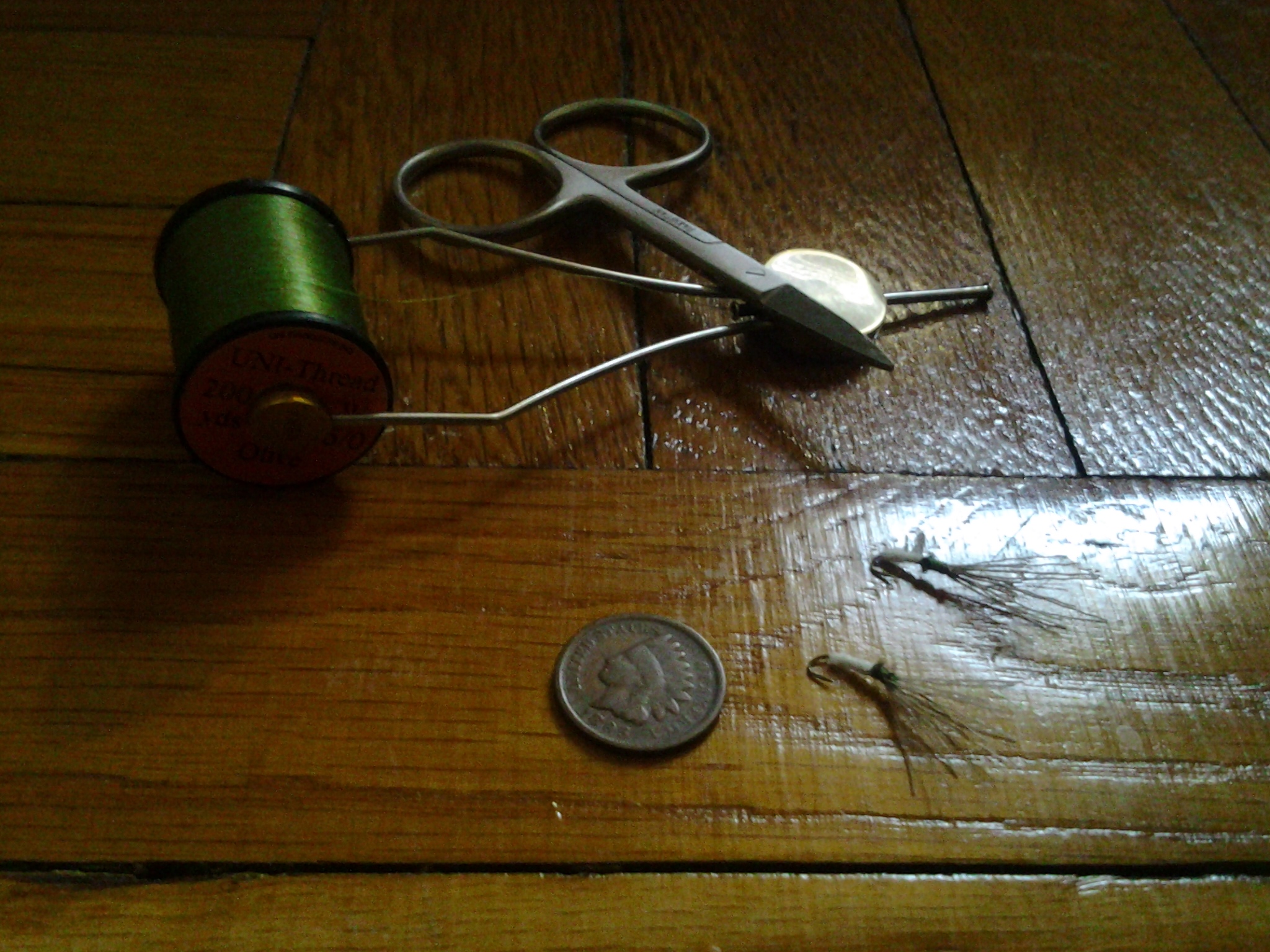
Deer hair is employed for the hackle rather than feather. This is a sakasa pattern, one that holds a Japanese traditional tenkara hackle orientation. The trick with deer hair folded forward is to retain a soft and parse head, which I half hitch at the rear base of the hackle. Scissors, bobbin, and thread are all the tools most necessary. Visual aids, if or as needed, of magnification 1.0 to 5.0 times can help on the details when hooks are on the smaller end. My preferred size for this pattern, based on satisfactory catch rates, is a 16.

“Has the pattern a name?” or “What do you call it?” has been asked. I reply in conversation: “(Swegman’s) Deer Hair Cahill Sakasa Kebari or Deer Hair Cahill Sakasa Kebari, for short.”

Recipe:
Size 14 to 18 hook
Angora Rabbit for Body
Peacock herl for thorax
Deer hair for hackle
6/0 thread for wrap
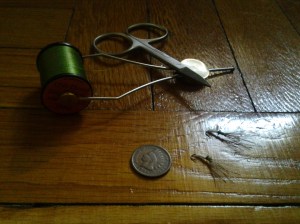
All the Tools Most Necessary: Tenkara Still Life (photo taken 03 02 2015)

All the Tools Most Necessary: Tenkara Still Life
(photo taken 03 02 2015)

Deer Hair Cahill Sakasa Kebari: a mouthful for fish . . .

– rPs 03 02 2015
Leave a Comment

Design a site like this with WordPress.com
Get started