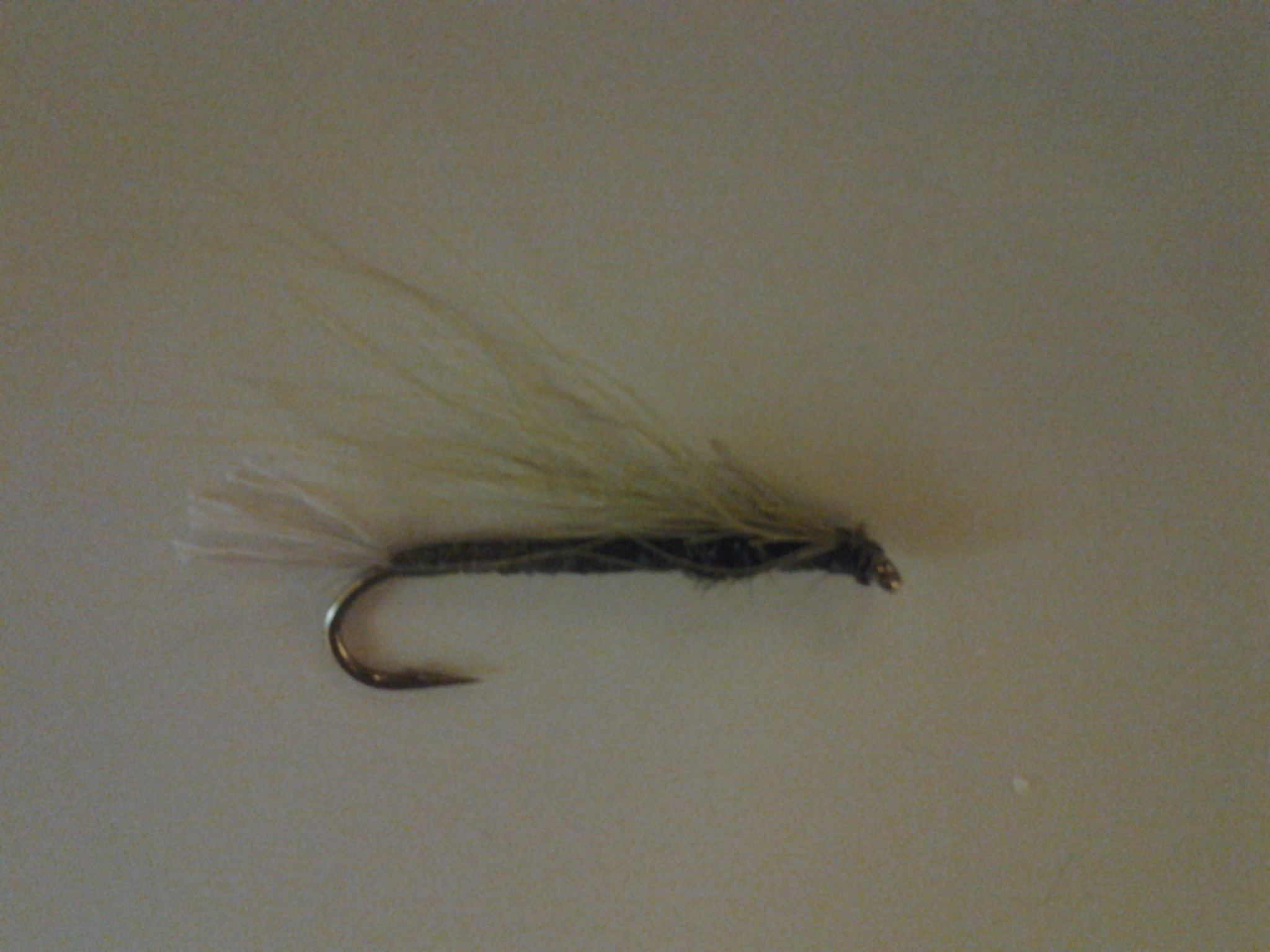
Archive for Tenkara Kebari

Swegman’s Sunfish Catches A Fish

Swegman’s Sunfish Catches A Fish . . .

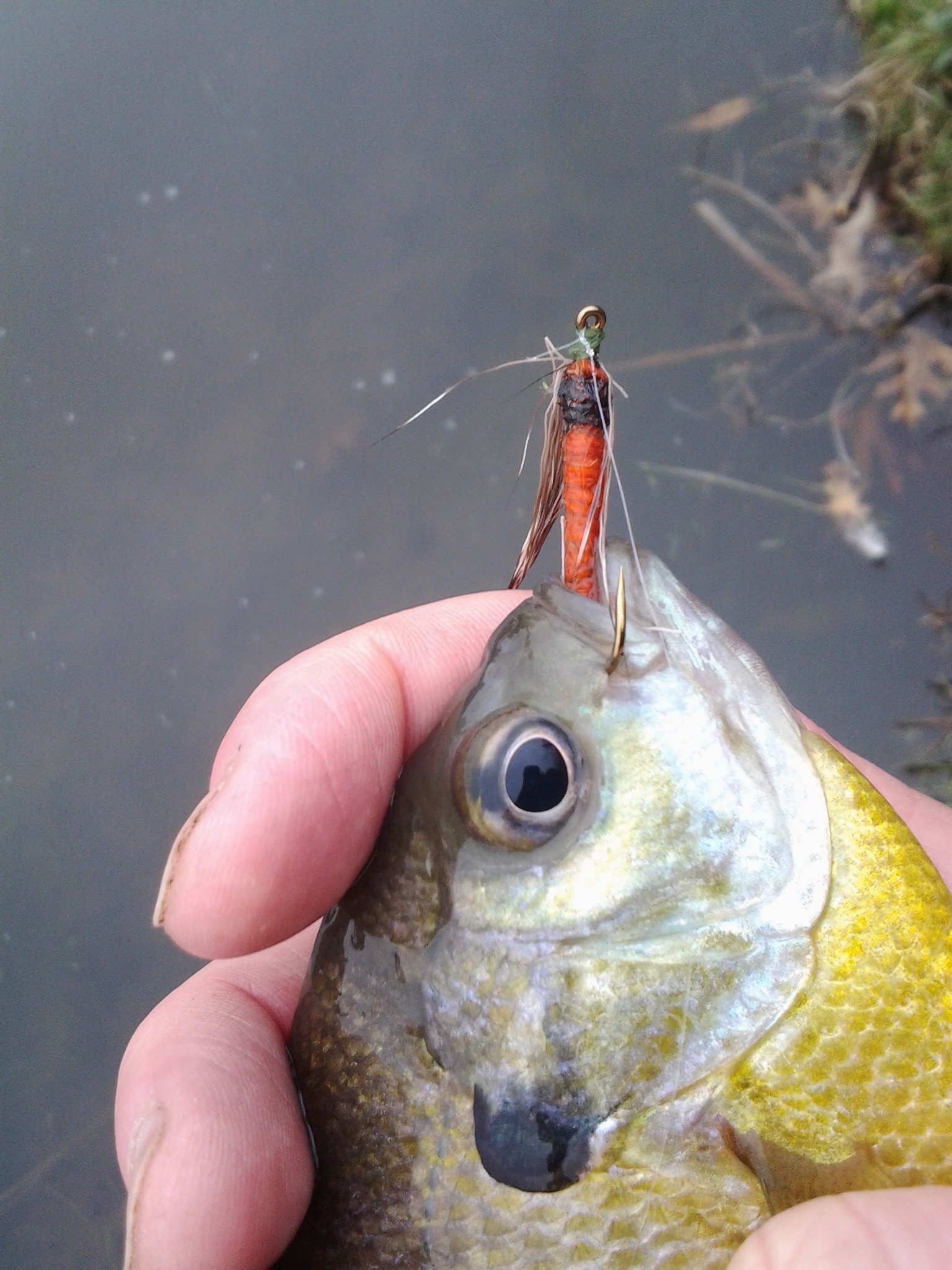
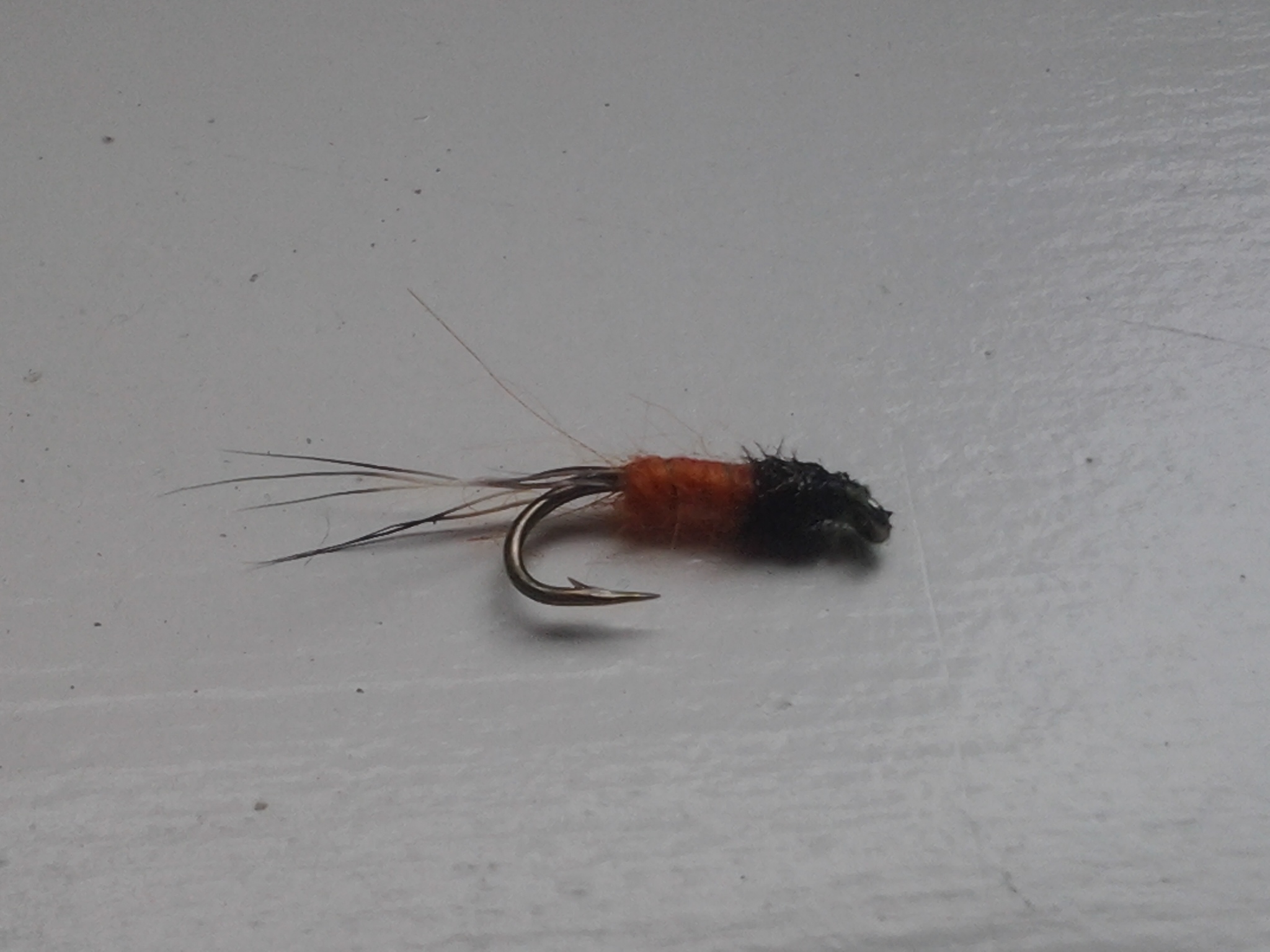
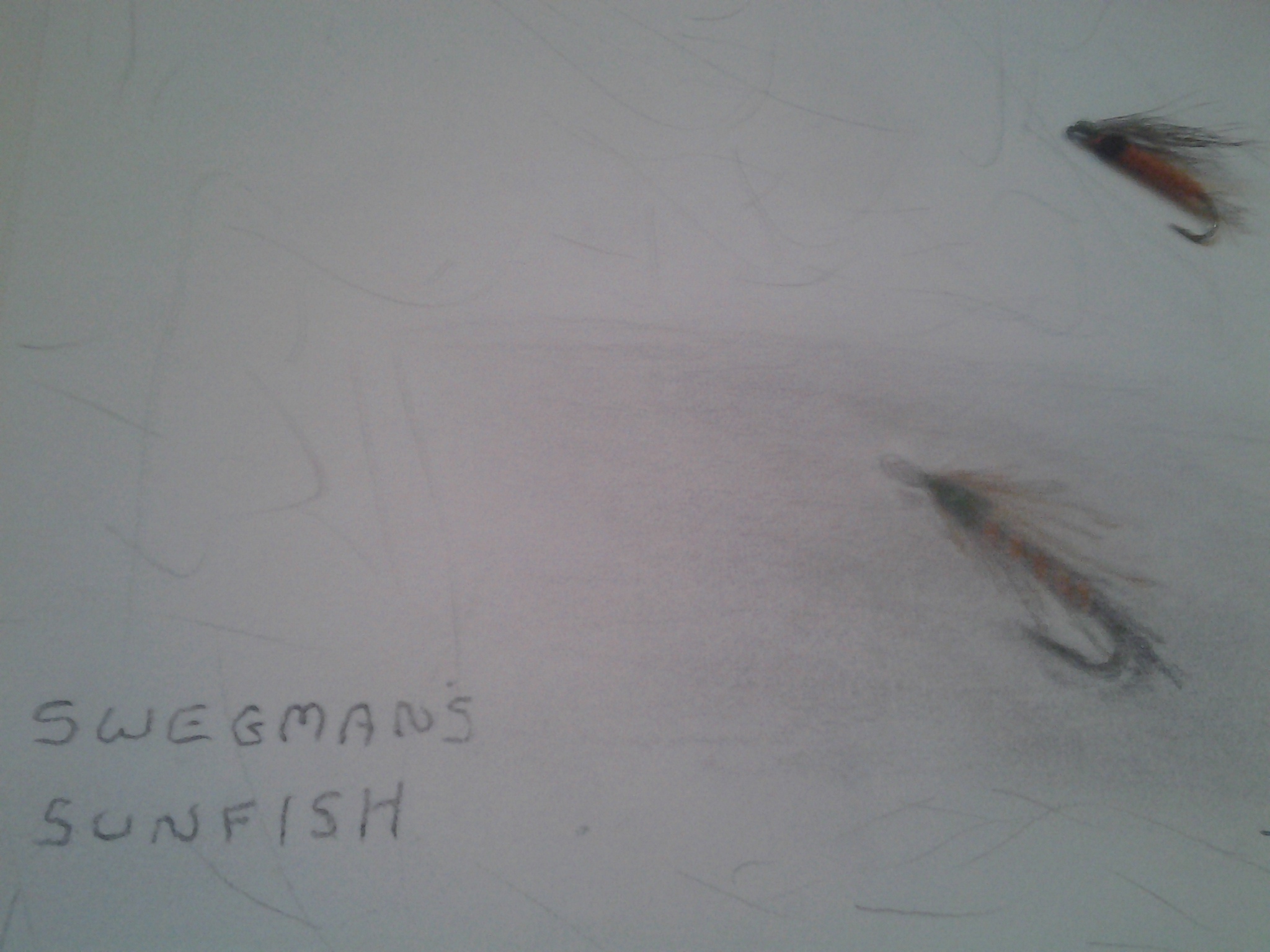
Swegman's Sunfish

Swegman’s Sunfish

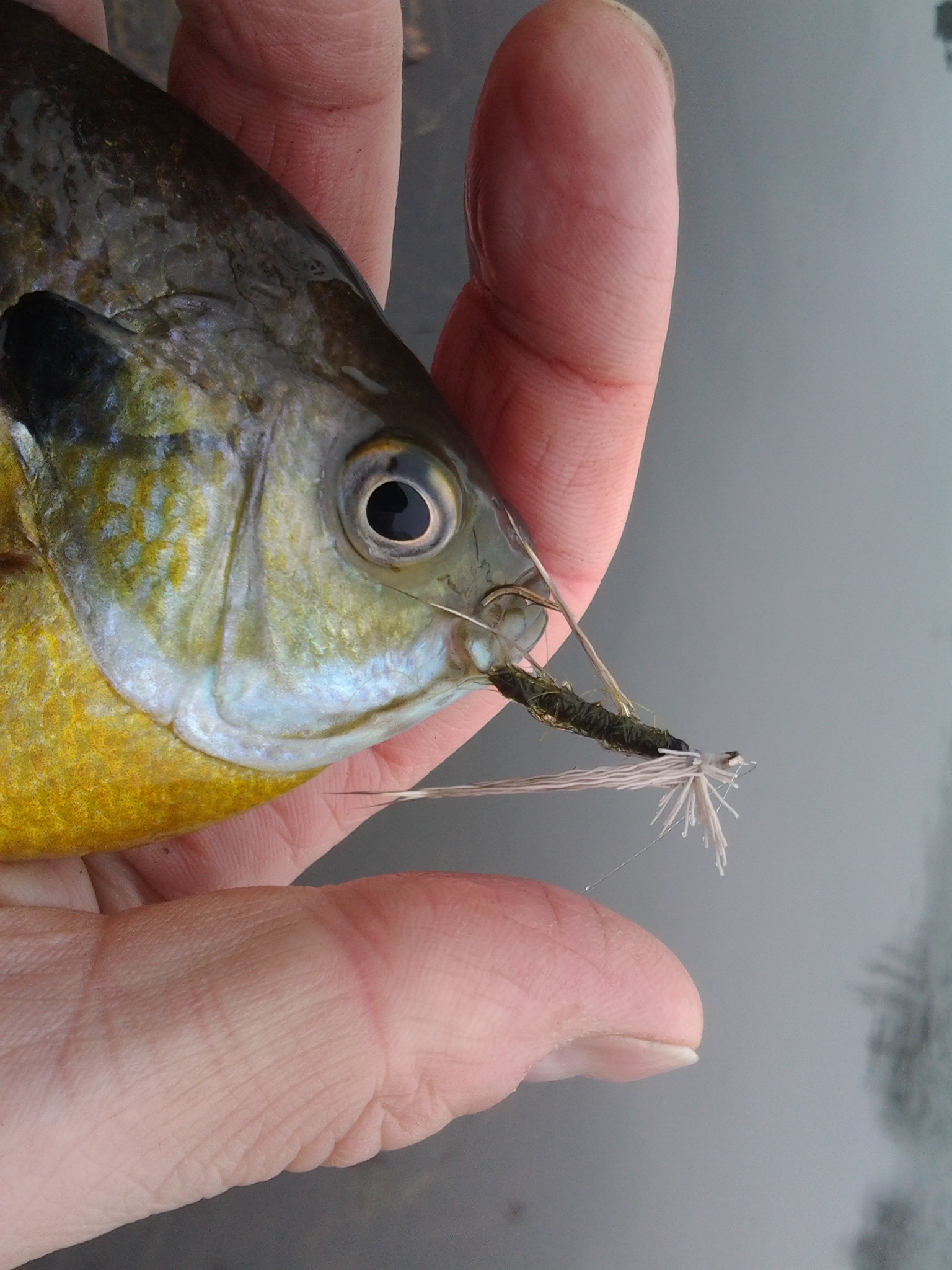
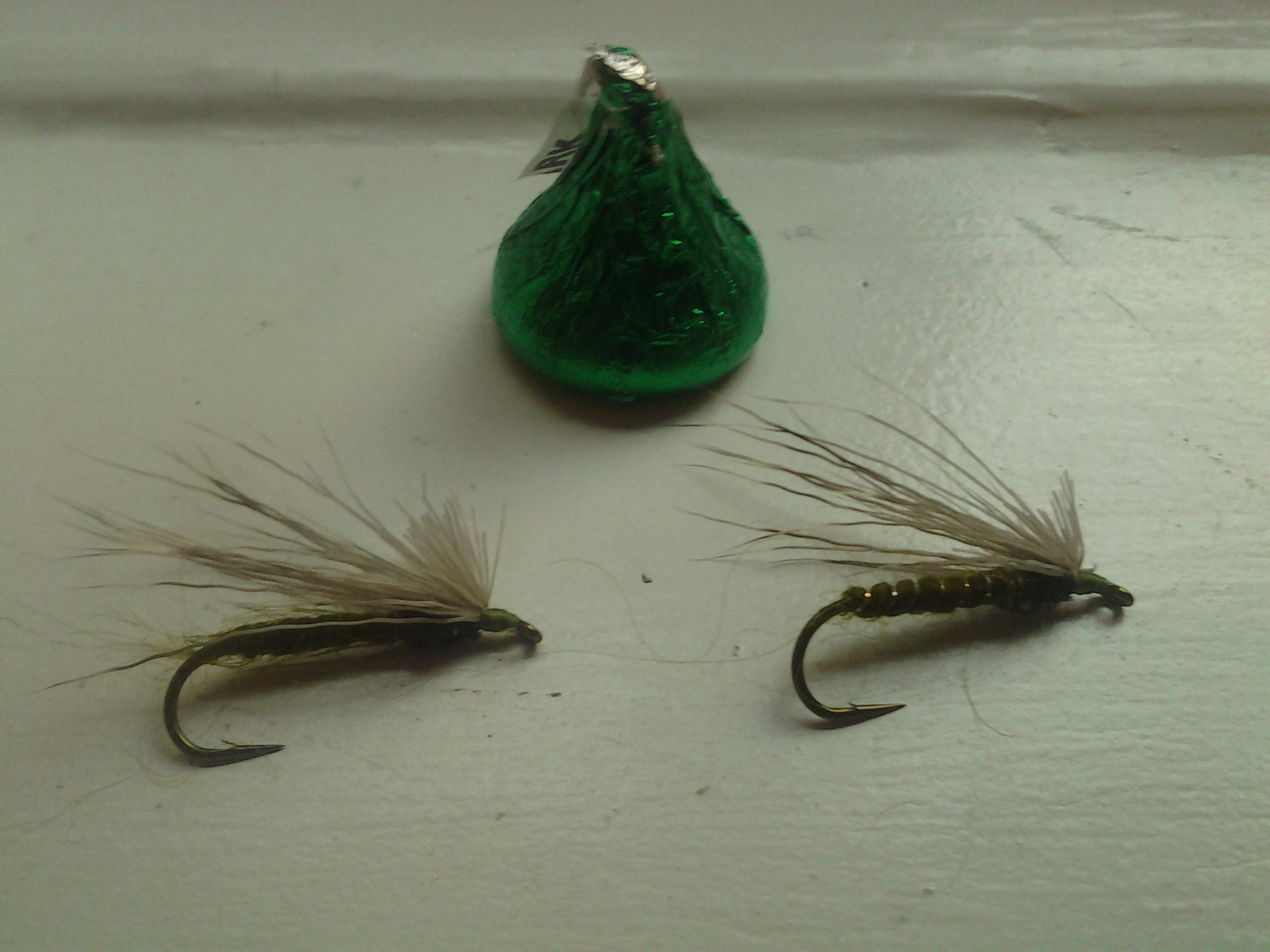
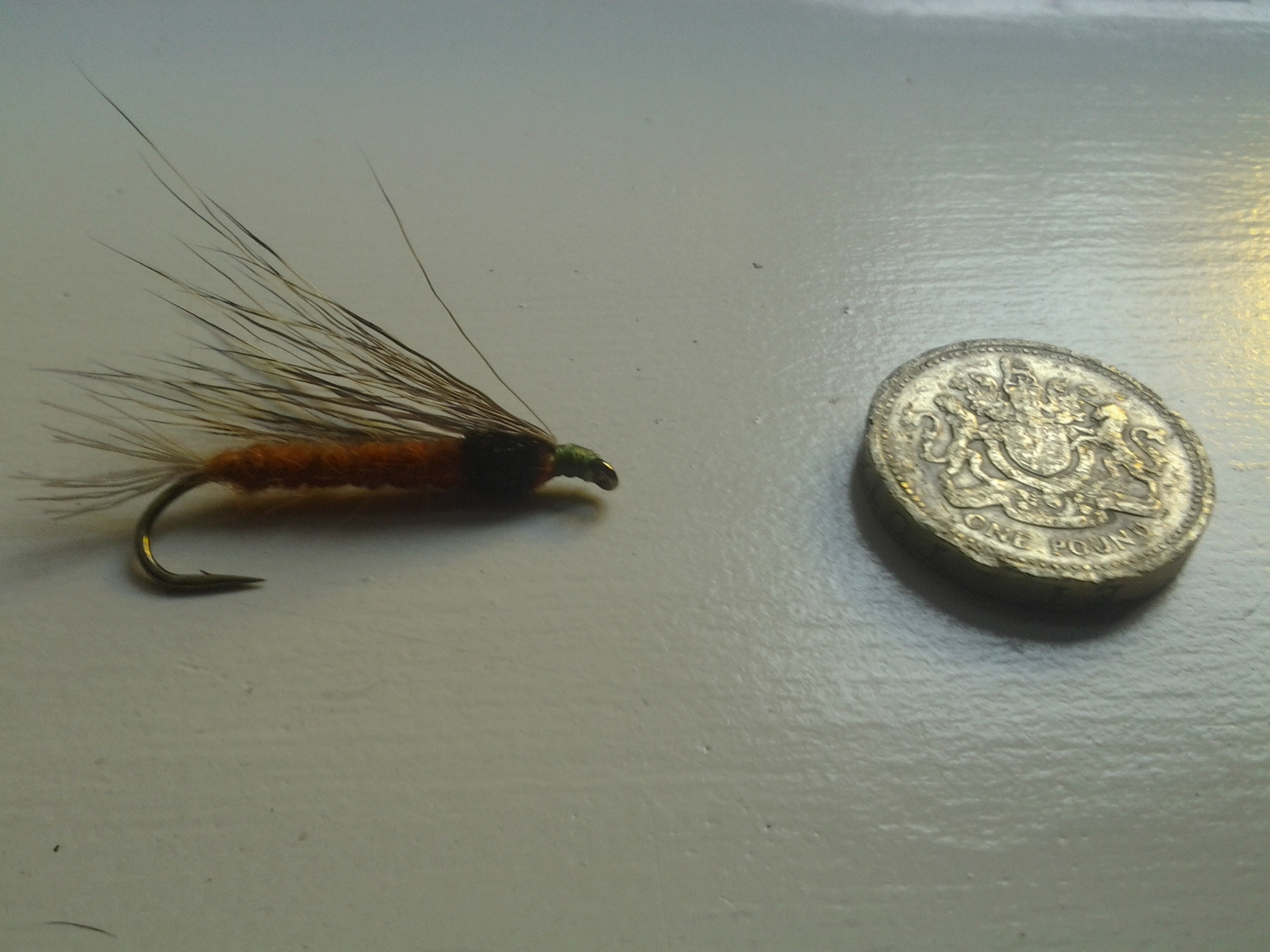
Swegman’s Sunfish lured Lepomis with orange breasts to match the twitch, hooked, and tethered to a hook holding hair rather than feather.

Swegman's Sunfish Angle

Swegman’s Sunfish Angle

Will mention also another mention of the Green Guarantee:

Green Guarantee Incite Bluegill

Green Guarantee Incite Bluegill

As well as the smaller Deer and Green soft hackle:

Deer and Green Incite Bluegill

Deer and Green Incite Bluegill

Green guaranteed even as the NYC region remains brown.

– rPs 04 13 2015

Leave a Comment

Tenkara Art: Primary Kebari 2

Tenkara Art: Primary Kebari 2 . . .

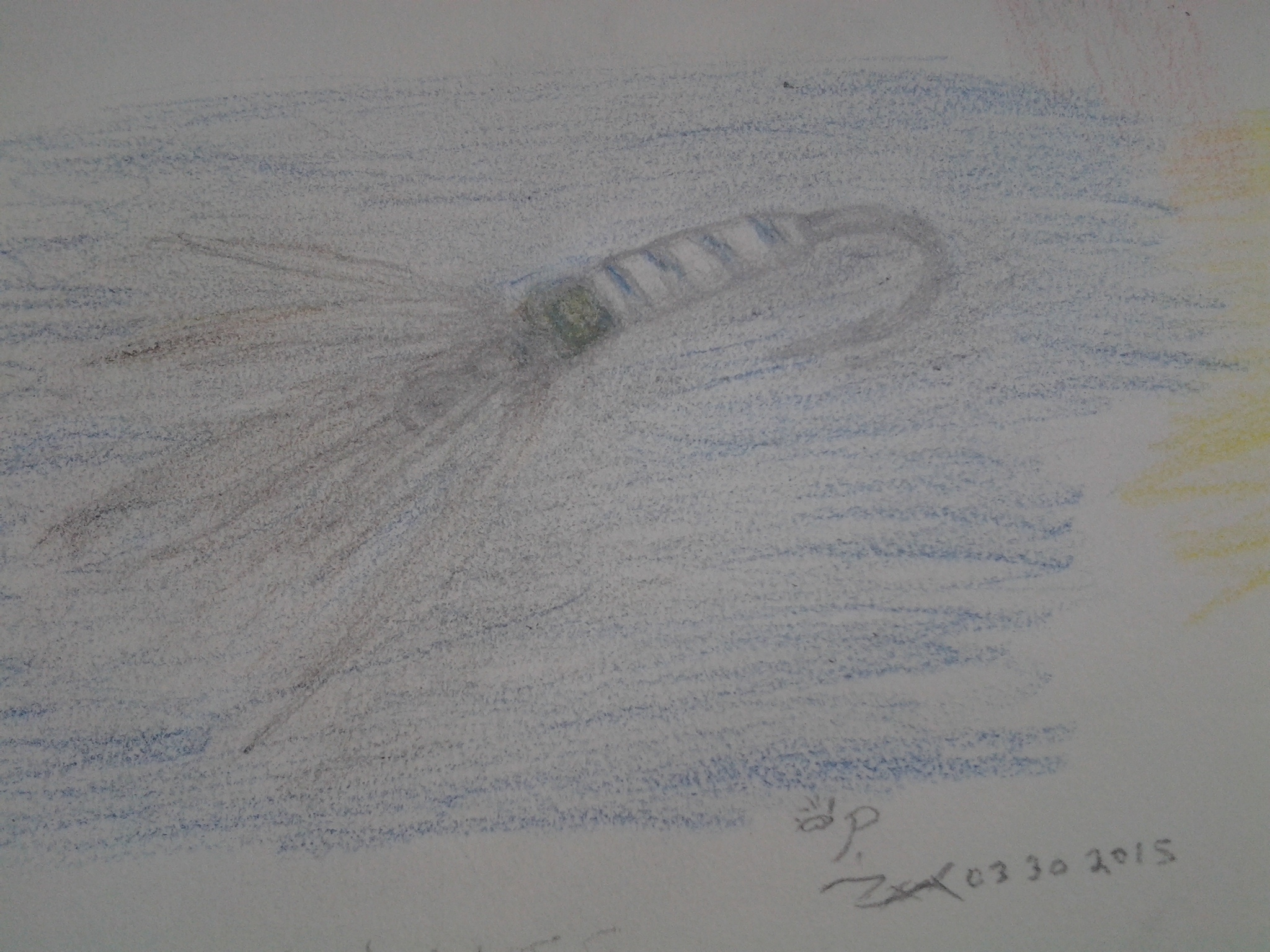
Primary Kebari 2: a partridge and white warm season soft hackle. (image copyright 2015 by ron P. swegman. All rights reserved.)

Primary Kebari 2: a partridge and white warm season soft hackle.
(image copyright 2015 by ron P. swegman. All rights reserved.)

Partridge and White

The Partridge and White Rabbit kebari is another pale pattern for warm day hatch matches of light mayfly and caddisfly species in sizes 12 to 18. Note the traditional tenkara orientation of the feather hackle. Ribbed or not, the texture of angora rabbit adds extra body. Drift from upstream with the intent on guiding the float back to the angler’s waist or free hand unless the lure of the little trout or panfish intercedes first.

The illustration uses primary colors rendered in an abstract expressionist manner to contrast with the subaqueous white.

— rPs 03 30 2015

Leave a Comment

Tenkara Art: Deer and Green

Tenkara Art: Deer and Green . . .

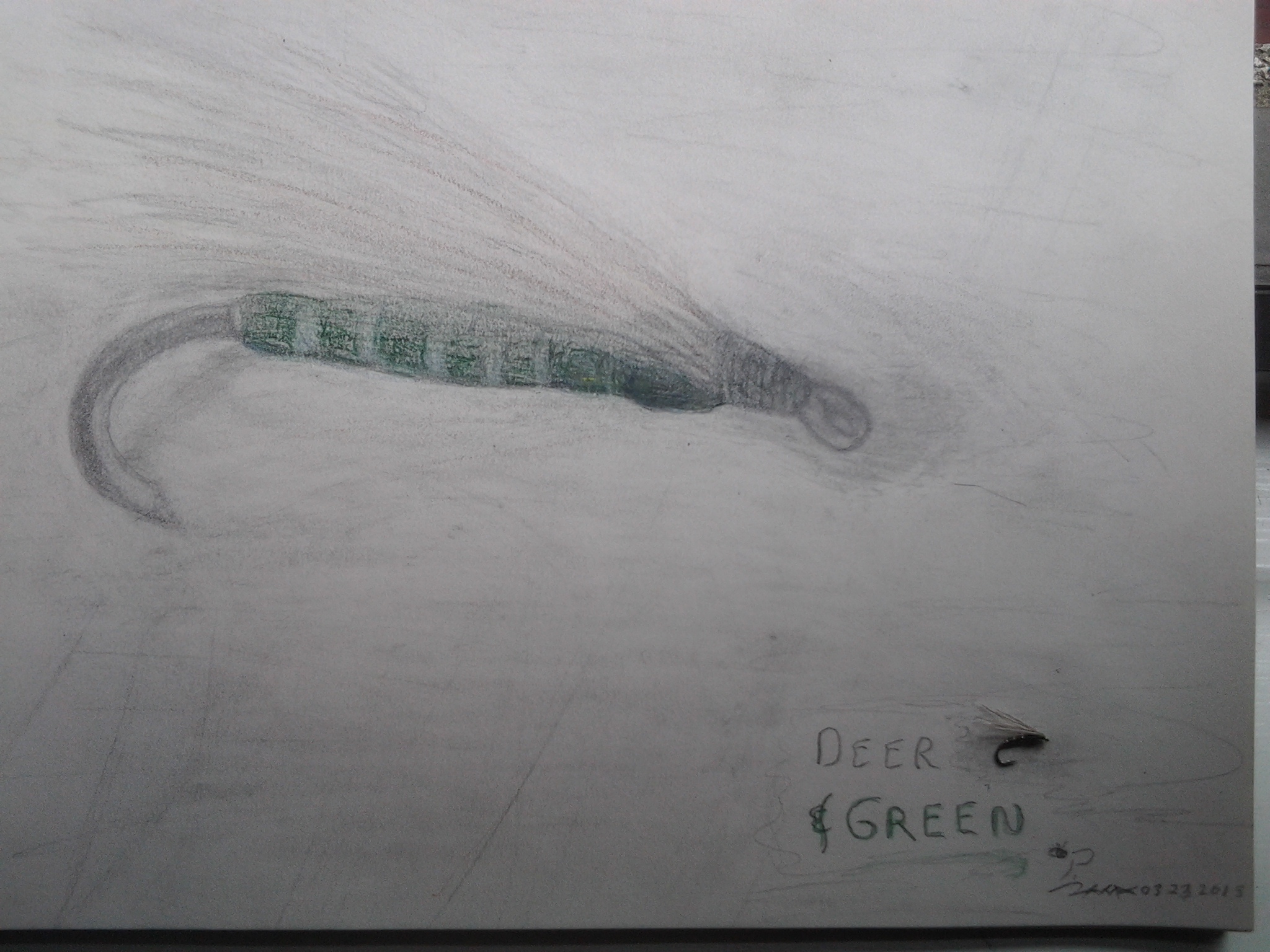
Deer and Green: an American kebari (image copyright 2015 by ron P. swegman. All rights reserved.)

Deer and Green: an American kebari
(image copyright 2015 by ron P. swegman. All rights reserved.)

The Deer Hair and Green is a soft hackle kebari tied with an American or Western oriented hackle. The recipe includes four-strand floss, French tinsel, and deer hair. Eastern brook trout are attracted to this pattern in size 14 through 18.

A large portrait of a small kebari lends an illustrative slant with a faded, marbled, impressionistic effect, the way the eyes perceive the soft blur of a pattern set in clear stream water. Colored and other pencils on acid-free paper in natural light remain my medium and process.

— rPs 03 23 2015

Leave a Comment

On Parade

On Parade . . .

Green Guarantees (c. 2015)

Green Guarantees
(c. 2015)

Green Guarantee

Color conveys the general feel of this fly pattern. Warm in a rustic and pastoral way. Of course, fishes. The small shiner or chub minnow here meets adequate imitation. Unweighted, this one serves well under the controlled twitch of a tenkara rod along seams of current following fast water. Weighted, this pattern oriented forward can dart along submerged walls of stone or weed. Most of the freshwater fishes find such presentations interesting.

— rPs 03 17 2015

Postscript: You can read more about the Green Guarantee in my second book, Small Fry: The Lure of the Little. Links to online purchasing options are available on the tool bar to the right of the screen. Or visit the website of The Whitefish Press: http://www.whitefishpress.com/bookdetail.asp?book=87

Leave a Comment

For Short

For Short . . .

Theodore Gordon and Deer Hair Cahill Sakasa Kebari (photo taken 03 01 2015)

Theodore Gordon and Deer Hair Cahill Sakasa Kebari
(photo taken 03 01 2015)

“Deer Hair Cahill Sakasa Kebari”

Testaments of all faiths have in their spirit the sense of a letter from one to another. Letters “Of and To” are “For and From” as well. A blog in a sense is such a form. When standards are held up, when the focus is on a subject rather than an “I,” a post can be a literary act of sharing with conviction most commendable.

The level of Art is reached at times in any endeavor. The epistolary word, being of high standard, demands much from an author to become Art. Theodore Gordon’s mayfly patterns are canonical, so is his correspondence with G.E.M. Skues and Frederic W. Halford, written when he was nestled in the ‘kills of New York, read still a century after composition.

Gordon remains a compelling figure for contemplation when engaged in the sport of fly fishing and the craft of fly tying. Readers now are individuals never to be connected to the man in real time or place in the physical sense. We may never fish with him, although tethered we are by Gordon’s active mind talking from the page printed in his own careful words.

Gordon and his thoughts on the artificial fly are well known. Another fly fisher of New York, Daniel Cahill, goes more unsung, perhaps for the simple reason he did not write, although his surname stands attached to another of the canonical Catskill patterns. He was a brakeman for the Erie Lackawanna railroad and a fly tier during the late 19th Century. His Light Cahill and its variants, a staple imitation of the pale Stenecron (Stenonema) mayfly, endure as surely as those of Gordon, although the man’s actual voice, from mouth or page to ear and mind, may be silent.

Gordon and Cahill, mayfly and trout: all four have combined along one tenkara path to form a pattern I find works when trout fishing during the warm months of May through August. Shaded runs, a calm evening, or when the sun lets go of the water during the middle of a morning. A trout rising at such a time on a ‘kill might find such a basic pattern effective fished wet or dry.

I combined the deer hair I have kept close this tying season with 6/0 olive, tan, black, or white thread and bodies of yarn, feather, floss, tinsel necked with a standard peacock herl thorax. One with an angora rabbit fur body resembles a very impressionistic Light Cahill.

Deer hair is employed for the hackle rather than feather. This is a sakasa pattern, one that holds a Japanese traditional tenkara hackle orientation. The trick with deer hair folded forward is to retain a soft and parse head, which I half hitch at the rear base of the hackle. Scissors, bobbin, and thread are all the tools most necessary. Visual aids, if or as needed, of magnification 1.0 to 5.0 times can help on the details when hooks are on the smaller end. My preferred size for this pattern, based on satisfactory catch rates, is a 16.

“Has the pattern a name?” or “What do you call it?” has been asked. I reply in conversation: “(Swegman’s) Deer Hair Cahill Sakasa Kebari or Deer Hair Cahill Sakasa Kebari, for short.”

Recipe:
Size 14 to 18 hook
Angora Rabbit for Body
Peacock herl for thorax
Deer hair for hackle
6/0 thread for wrap

All the Tools Most Necessary: Tenkara Still Life (photo taken 03 02 2015)

All the Tools Most Necessary: Tenkara Still Life
(photo taken 03 02 2015)

Deer Hair Cahill Sakasa Kebari: a mouthful for fish . . .

– rPs 03 02 2015

Leave a Comment

Tenkara and Trichoptera

Tenkara and Trichoptera . . .

Olive Tenkara Trichoptera Larva (ties 02 17 2015)

Olive Tenkara Trichoptera Larva
(ties 02 17 2015)

“The architect in the stream.”

One could make the case that bugs are in my blood. My paternal uncle, Bernard G. Swegman, has worn several hats over the course of an academic career that includes published papers on caddisflies, the trichoptera. i

Caddis patterns are a pillar of creative fly tying and effective fly fishing. The caddis dry fly can be like potato chips to an eager trout. The nymph and emerger must offer a flavor that overcomes the texture of their exterior cases self-constructed from sticks and pebbles and mortar. Yes, to me, the caddis is an architect of a stream insect.

Besides trout, wet caddis imitations make an excellent start pattern for the smallmouth bass and sunfish found in the freestones of the Mid-Atlantic region. Green sunfish, redbreast sunfish, and rock bass all take the nymph swung by structure and drifted along current seams.

One tenkara trichoptera of my own I like to swing along rock ledges and other deep bank areas. A simple larva pattern, not unlike a Poopah pattern, the body of this one appears more straight and sinuous on account of ultra chenille instead of dubbing; I also employ a standard wet fly hook that extends the ribbed tinsel body just a bit.

A tenkara rod’s greater length allows me to high stick this fly in areas open overhead where exposed clay banks are often found beside meadows. Smaller sizes 14 through 18 in olive, tan, or gray all lure fish with the olive coaxing more specimens to net on an average day

Olive Tenkara Trichoptera Larva

Recipe:
Size 14-18 Mustad 3906 wet fly hook
Olive ultra chenille for body
X-SM French tinsel for rib
Peacock herl for thorax
6/0 Green UNI-thread for wrap

– rPs 02 17 2015

i “Occurrence Of An Intersex Individual Of Psychomyia flavida (Trichoptera)”
B G Swegman Entomological News 89: 187-188 (1978)

Leave a Comment

Angling Art and Manhattan Kebari

Angling Art and Manhattan Kebari . . .

I Found Fishing Writer's Block:  mixed media (copyright 2015 by ron P swegman. all rights reserved.)

I Found Fishing Writer’s Block: mixed media
(copyright 2015 by ron P swegman. all rights reserved.)

My fishing jacket’s front zippered pockets are reserved for light litter storage and occasional gifts. The latter may include tackle, lures, and sometimes flies found over the course of an outing on the water. One pond trip in 2014 brought to my gift pocket a green pencil snapped in two and a small red and white bobber. Arranged this week with a small amount of imagination created a new sculpture – “I Found Fishing Writer’s Block” – visual metaphor rendered in the medium of found fishing objects, photographed.

More conventional material creation has included my attempts at kebari. The patterns I call “kebari” for I fish these patterns in subtle variation with my Ebisu and Yamame telescoping rods in the streams and stillwaters I explore on this east coast of North America.

Some pumpkin yarn came into hand from my friend, Brian. Time seeing this material go unused was spent in contemplation, which incubated tying ideas influenced first by the color found to varying degree in Dave Whitlock’s Squirrel Nymph, Safet Nikosevic’s October Caddis, and Brian’s own Cinder Worm pattern. My results this February have so far included:

Swegman’s October Caddis; a nymph

Swegman's October Caddis Nymph (tied 02 06 2015)

Swegman’s October Caddis Nymph
(tied 02 06 2015)

Recipe:
Size 12-16 Wet Fly Hook
Deer hair for tail
Pumpkin dubbing for body
Peacock Herl for thorax
6/0 Green Thread for wrap

This pattern in various colors has lured stream trout and fallfish as well as bluegills in ponds.

Swegman’s Sunfish; a weighted hair wing streamer

Swegman's Sunfish (tied 02 06 2015)

Swegman’s Sunfish
(tied 02 06 2015)

Recipe:
Size 6 Streamer Hook
.030 Wire for weight
Deer Hair for tail and wing
Pumpkin dubbing for body
Peacock herl for thorax
6/0 Green thread for wrap

This pattern is effective on black crappie and largemouth bass when the fry of bluegill and yellow perch are available as forage.

I for my record state no idea here presented is new. The colors and silhouettes, however, have been shaped by experience and conditions unique to this tenkara reporter on multiple seasons spent using both conventional and tenkara fly fishing tackle.

– rPs 02 06 2015

Leave a Comment

Harlem Meer, Blue Again

Harlem Meer, Blue Again . . .

Free at last: Harlem Meer without ice.. (photo taken 03 21 2014)

Free at last: Harlem Meer without ice.. (photo taken 03 21 2014)

The wind was up. The sun set the high cirrus aglow. Harlem Meer reflected deep blue and, occasionally, bare trees. Rippled, the winded surface did not deter the birds. Canada Geese, Mallard Ducks, and Hooded Megansers all utilized the resource. I found myself, too, with colleagues Fergus and Jesse. We three angled urbanely for an entire Friday.

The water was clear and dark, free of weed. Only the bottom, where we worked our offerings, hinted at the ragged rooted bases of plants yet to rise.

I decided to employ one of my own finished fly patterns:

The Green Guarantee; a bucktail streamer

Green Guarantee: bucktail version.

Green Guarantee:
bucktail version.

Recipe:
Size 6 hook
030 wire for weight
Deer hair for tail
Olive floss for body
Peacock herl for thorax
6/0 Green thread for wrapping

ATURAL DEER HAIR, OLIVE FLOSS, PEACOCK HERL, and OLIVE BUCKTAIL.

Where others using conventional fly fishing outfits and ultralight spinning outfits failed, tenkara succeeded. One fish fell for the delicate dance of the pattern. The limber tenkara tip had provided again.

Crappie as long as your pine handle: Tenkara USA Ebisu and a black crappie. (photo taken 03 21 2014)

Crappie as long as your pine handle:
Tenkara USA Ebisu and a black crappie. (photo taken 03 21 2014)

First black crappie of 2014

The day’s fishing ended on a silent moment. We three stood abreast and watched, as time lapsed in front of us, the bend of a cove letting go the last of its lock of ice.

Harlem Meer, blue again.

– rPs 03 31 2014

Comments (1)

A Tenkara Fly Code

A Tenkara Fly Code . . .
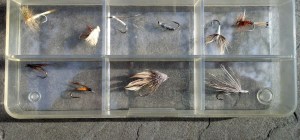
A tenkara fly code selection, including, row one: Light Cahill, Elk Hair Caddis; Deer Hair and White, Grey Wool and White; Amano Kebari, Royal Coachman; row two: E-Z Pheasant Tail Nymph, Pheasant and Orange; Muddler Minnow, Silver Tinsel Bucktail. (photo taken 04 30 2012)

One of the most influential artificial fly theorists of the last century was Vincent Marinaro. He was born, raised, and fly fished in the same western and central Pennsylvania region where I lived the first forty years of my own life. Limestone spring creeks and their rich insect hatches fascinated him and his approach, which he documented in two major works: A Modern Dry Fly Code (1950) and In the Ring of the Rise (1976).

Marinaro’s theory of the fly as related in his Code centered on two premises: the first was that small patterns were more effective; the second was the wing was the thing, the part of the fly that really mattered given the upward perspective of a feeding trout. What has risen from his opinion, as well as those of Halford and Skues, Flick and Meck, and a long line of others, is a cornucopia of patterns that imitate a world of fish food items that live somewhere within the water column and the calendar year.

Tenkara has come in recent years to the forward perspective of some western anglers, carrying with it a more simplified overall approach. This philosophy applies as well to the fly pattern. Imitation in the tenkara code goes only as far as tying a fly that matches the general silhouette of “insect” or, even more generically, “forage’ . . .  The rest of the game is the fishing process, placing and manipulating a pattern to provide it life-giving allure. Thus, it is not surprising to find a tenkara angler who carries just one pattern in the box. Different sizes of the fly, perhaps or for sure, but still only one pattern.

I have contemplated the western match-the-hatch tradition and the tenkara one-fly philosophy and have settled on my personal compromise: A Tenkara Fly Code.

The basics are simple: a fly pattern that imitates an insect can be large or small, floating or sinking, light or dark. That stated, my fly box will hold eight (8) flies to imitate insects plus an additional two (2), a large and a small streamer, to imitate minnows and crayfish. Here is the breakdown:

2 light floating (one large, size 12; one small, size 16)

2 light sinking (one large, size 12; one small, size 16)

2 dark floating (one large, size 12; one small, size 16)

2 dark sinking (one large, size 12; one small, size 16)

2 streamers (one large, size 8; one small, size 12)

This approach assembles a manageable assortment of ten (10) flies total, which can be realized in a single large and small example of five basic patterns, or ten separate patterns, each individual fitting into one of the ten specific slots in the size department. This second approach offers a little more variety, thus flexibility, especially in the streamer category, which has a wider range of organisms to cover. A trip to a freestone stream could include a large Muddler Minnow to imitate sculpin and crayfish; a small tinsel bucktail to imitate shiners and other silvery minnows. A trip to a pond might require a Black Woolly Bugger to represent a leech; a Gray Ghost to simulate a smelt.

That’s a whip finish for me, for now. The fun part, applied fly pattern theory practiced along a stream or around a pond, comes next.

– rPs 04 30 2012
Leave a Comment

« Newer Posts
Design a site like this with WordPress.com
Get started