Archive for Tenkara Philosophy

Three of One

Three of One . . .


Three Three Three 2016

One of Three: Green Guarantee! (NYC, 2016)

Tenkara = One Fly
Three of One? I can agree to that.

One pattern I may agree upon with allowance for three copies of said one. Three copies: one to fish, one as a backup if the first finds itself lost on fish or, to be most avoided, a snag. The third may be a gift for another angler met along a stream, or around the pond. That third one might also be the one to act as charmed third attached at last to a fish photographed and released humanely, else dispatched humanely, promptly, for shore lunch on or off the water.

Reasonable Compromise.

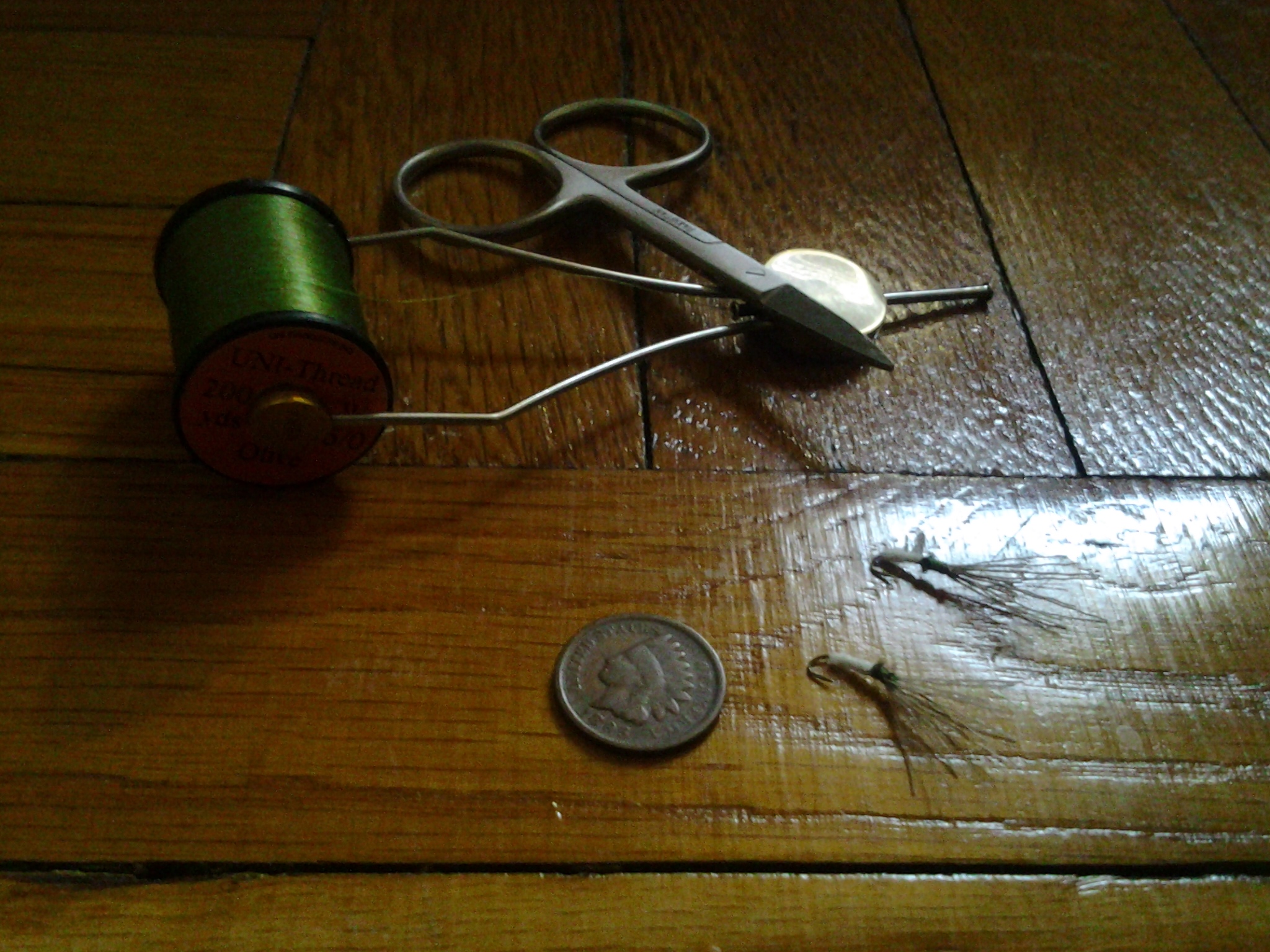
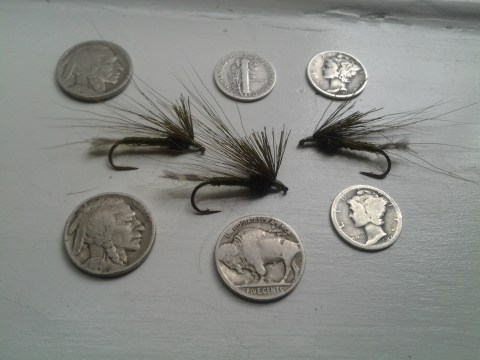
The one I carry most often remains the Green Guarantee, here displayed in trio with fun flea market finds. The American Buffalo nickel and Mercury dime circulated America in general when weighted hair streamers held simple and effective reputation. Archiving and philosophizing and tying attentive to all strata of the legacy from the vise remains complemented in parallel to the interest in the age of bronze, silver, and gold American coinage

Fly patterns and numismatics both share a small scale, a quality of materials rendered artfully within the frame of little physical space. Minor major wonder the two connect for me, this coming from the guy who penned Small Fry: The Lure of the Little.

Connected hobbies, activities: similar investments in a happy future on and off the water. The two tethered today make one happy indoors during a span of almost extreme weather; a cold rain drenches the city this day after sustained surface winds set at the speed of storm. Strange how the frigid air blew below an almost white sun above a bluebird sky filled with cloud of the purest white condensation, cloud marching as well, yet seemingly slower than the headlong gale off the Hudson River.

Actual angling must come later, sometimes.


– rPs 04 04 2016

Leave a Comment

Minted in March

Minted in March . . .


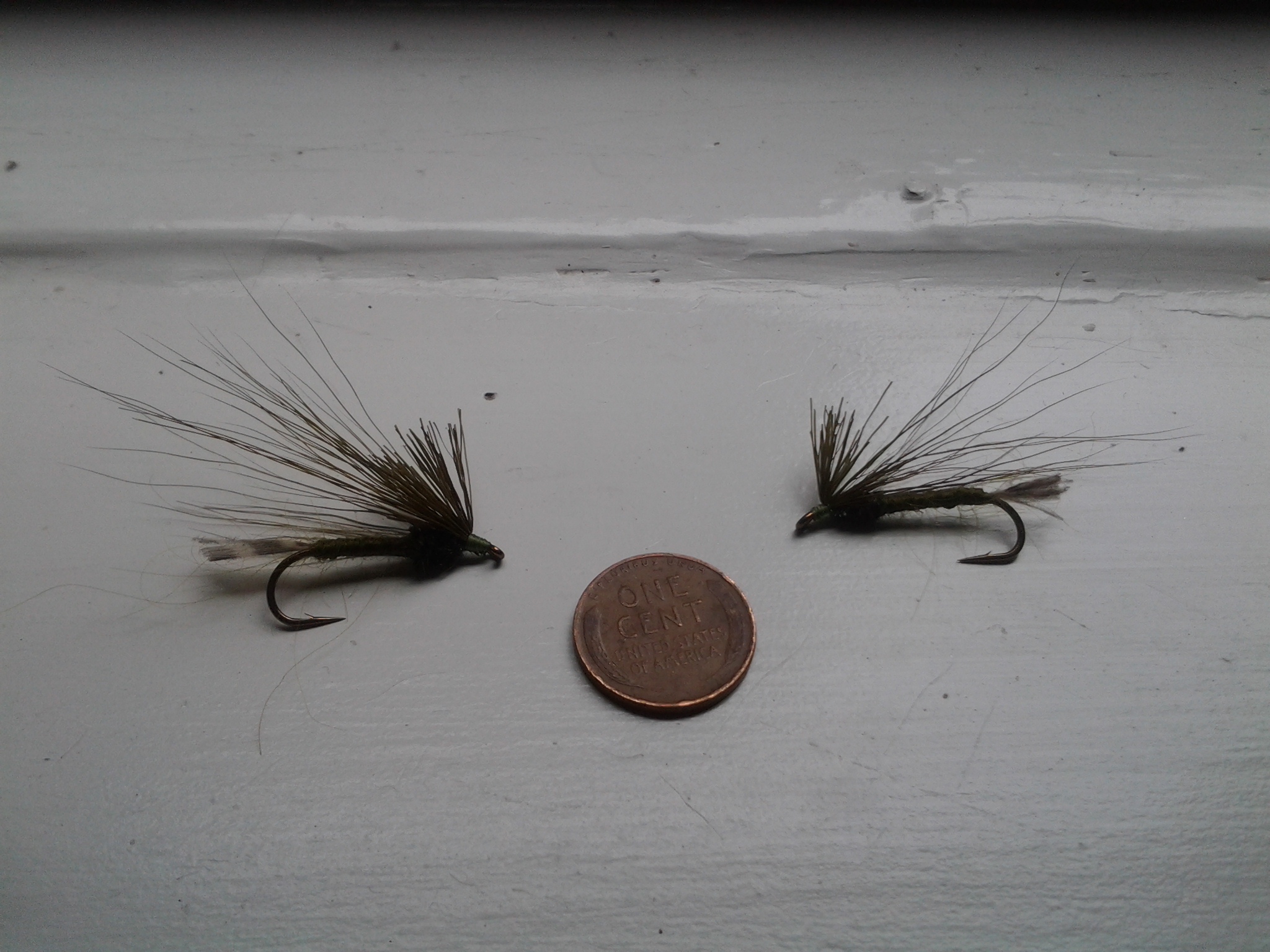
Two for a Cent (NYC 03 2016)

Two for a Cent
(NYC 03 2016)

“Two for a Cent” is an early short story by F. Scott Fitzgerald. The author describes with a mannered eloquence the ember at the end of a lit cigarette. That scene from a mellow night remains one of my favorite descriptive passages in American Literature.

My essential pattern, the “one fly” for the tenkara fishing I most often do, begins with The Green Guarantee, two of which are pictured above with a wheatie from Fitzgerald’s era. Coins and fly patterns model well together and give me a chance to combine two of my interests in a single frame. As for the pattern, its universal color and shape viewed from a fish’s underneath perspective, dressed in fur and feather activated by motion though water, attracts all of the pond’s residents at some various points in the season, including season’s start.


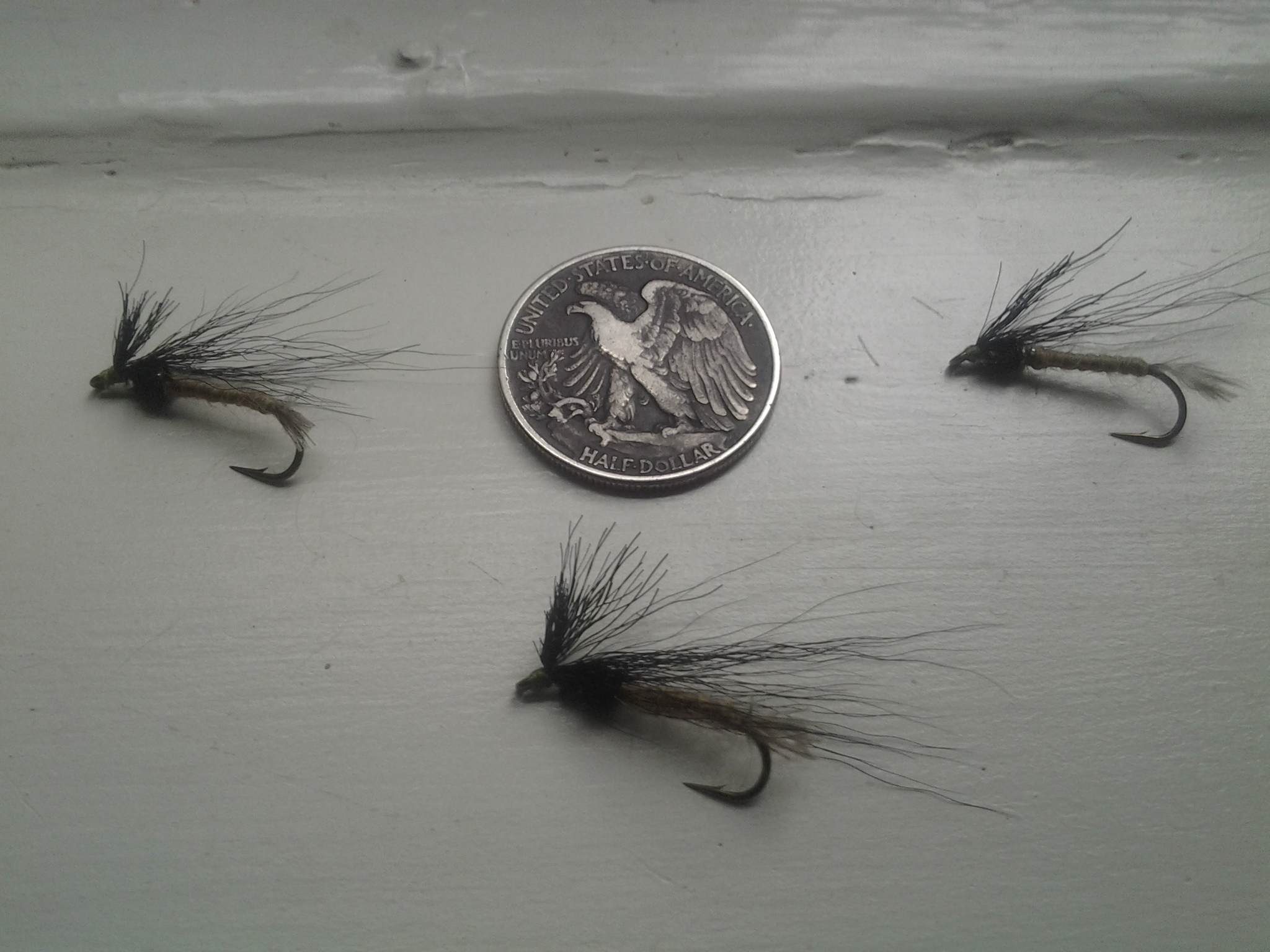
Fifty Cents for a Quarter Dozen? (03 2016)

Half Dollar for a Quarter Dozen?
(03 2016)


“Half Dollar for a Quarter Dozen” is a possible title of three Muddy Moreblack arranged with an American half dollar to scale. The Muddy Moreblack continues the use of the double consonant and offers a pun on the mirrored famous last name of an acclaimed guitarist whose band’s music I hear played on fly shop playlists all the time.

This pattern matches tan and black on a size 6 or 8 streamer hook and, being weighted, smokes under the water. The effect conveys the colors of late winter, something waking, emerging from the water bottom’s silt and leaf litter. The dobsonfly nymph, hellgrammite, crayfish, and stonefly all the Muddy Moreblack may be. The pattern worked along banks, within the sticks that dropped those bottom leaves, can produce the one earned fish of a day when sudden sun chases the fishes from more open areas.

Freshwater fishes may suspend in tough spots as a defense mechanism. The clustering of various species of Centrarchidae also brings to mind an expression of conscious social interaction. May such gatherings be a fishes’ summit to plan the following growing season? Perhaps territories within the pond’s perimeter are hashed out here with the whiskered bullhead given free reign along the bottom and the entirety patrolled by a few scattered schools of carp prone to basking just out of conventional and fly casting distance.

Carp have been nowhere to be seen during the Ides of March. Sudden sun and warmth during the winter to spring transition has pushed New York’s sunfishes down or into what dense shaded cover may exist so early in the season. Fallen trees and a nest of limber overhangs then present the long fly rod throwing a line a more complex scenario. The fishes, still hovering, appear to challenge:

“Catch us if you can!”


"Catch Us if You Can!" (NYC 03 2016)

“Catch Us if You Can!”
(NYC 03 2016)


I did.


Bluegill (NYC 03 2016)

Bluegill
(NYC 03 2016)


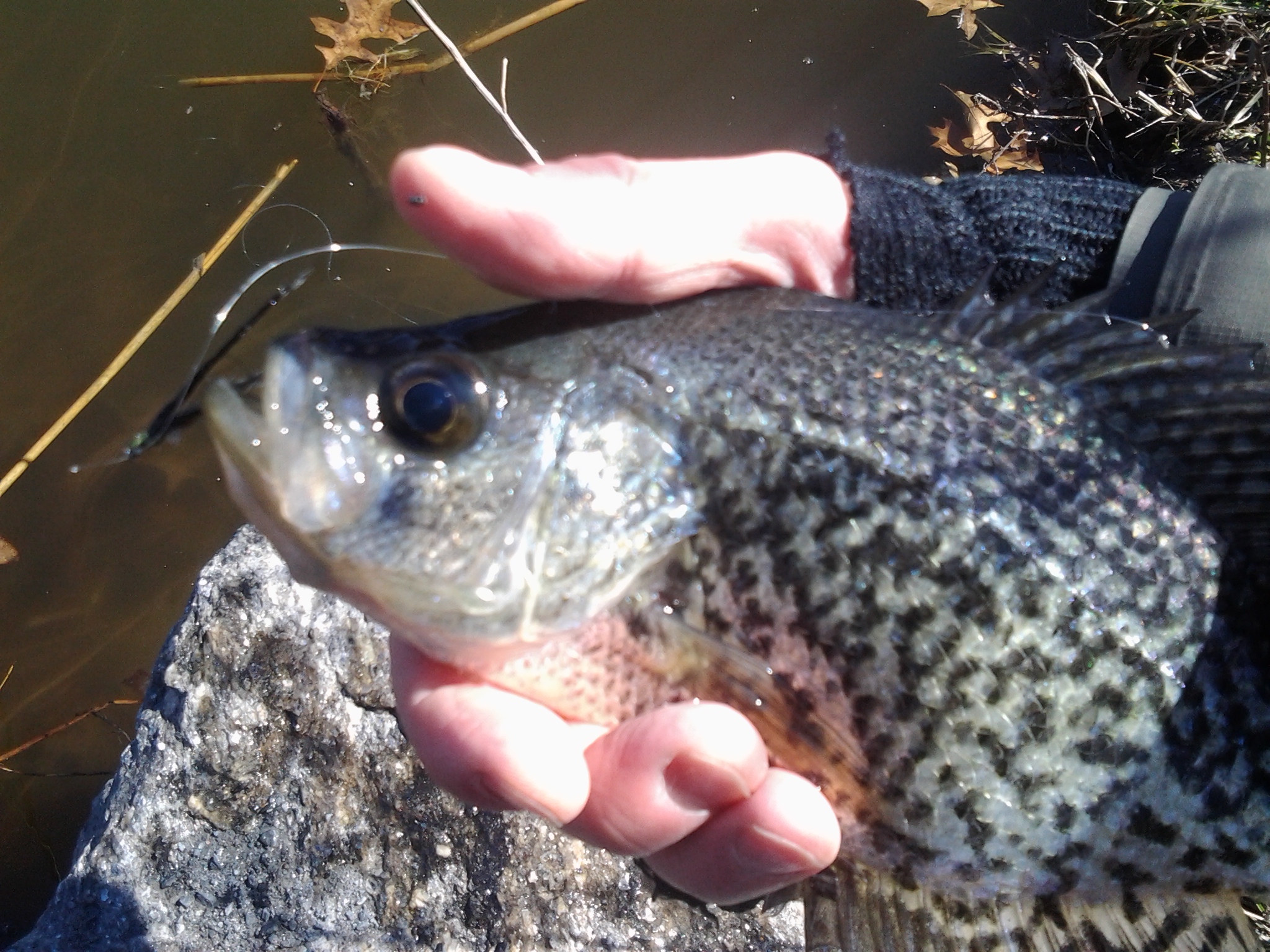
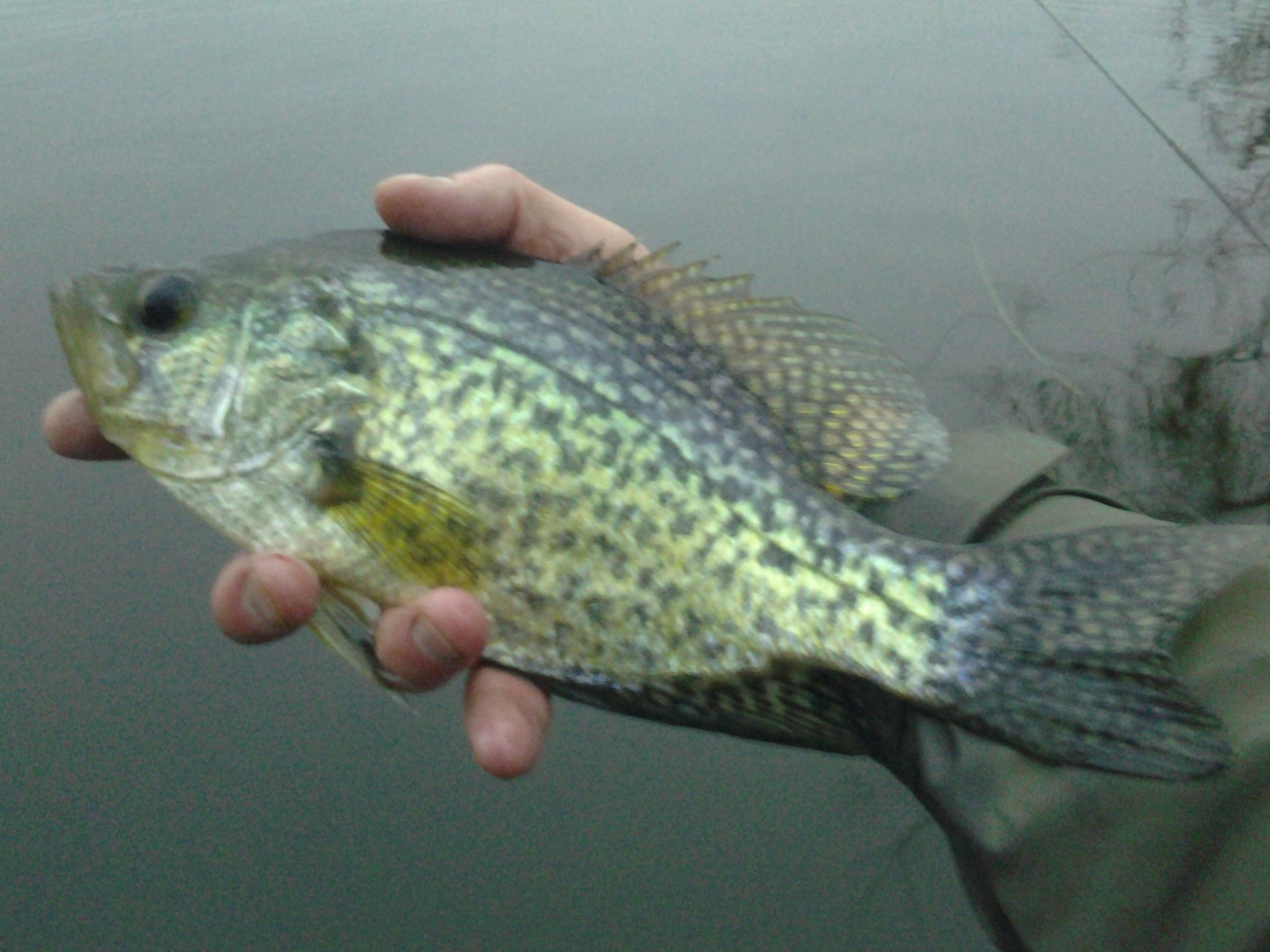
Minted in March Black Crappie (NYC 03 2016)

Black Crappie
(NYC 03 2016)


Sunfish the color of a penny nestled in the sticks. Black crappie as iridescent as a silver coin.

Minted in March: Season’s Start

– rPs 03 18 2016

Leave a Comment

Heroes: Gone

Heroes: Gone . . .


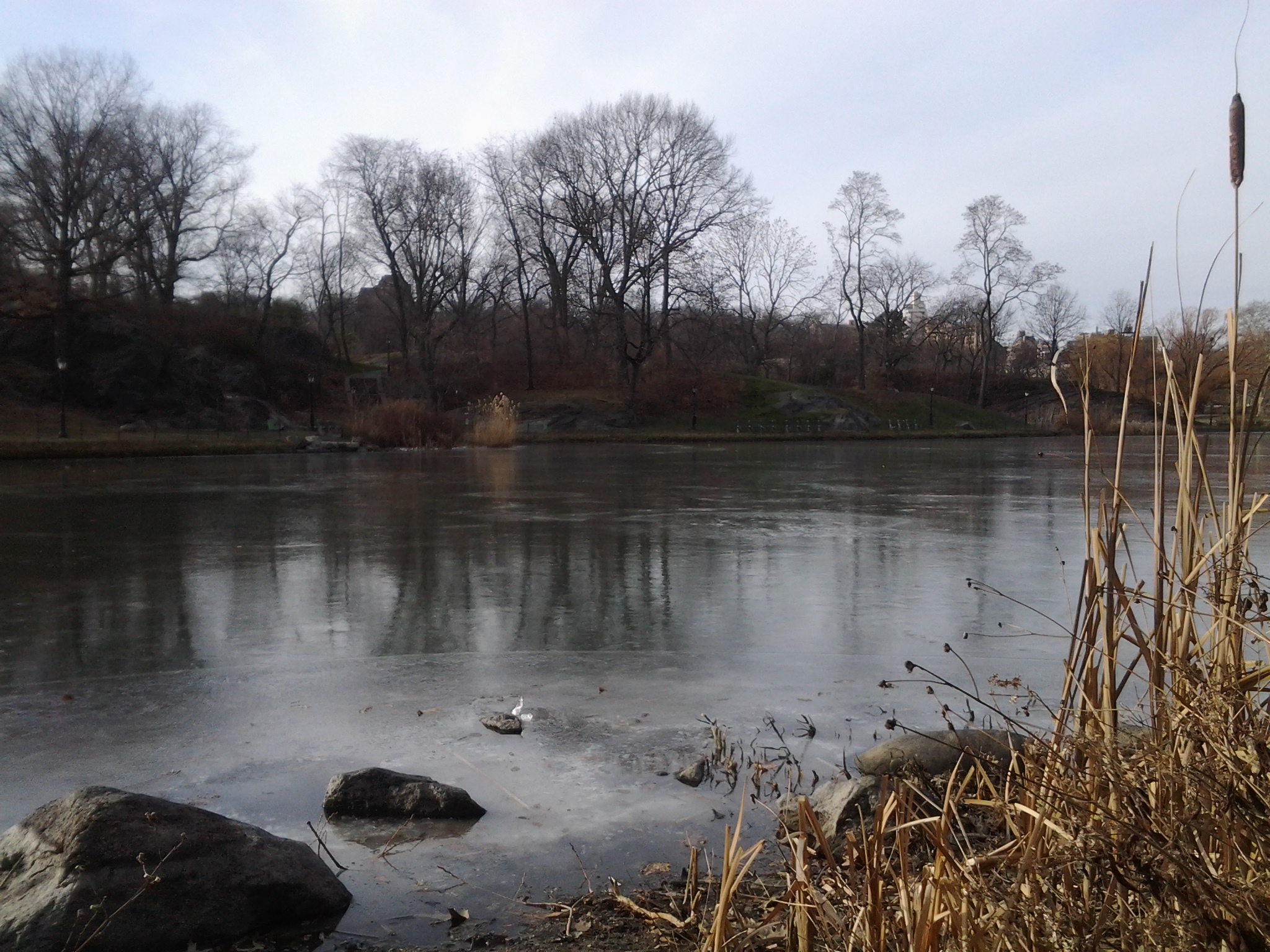
Harlem Meer Hielo Fino (NYC 01 2016)

Harlem Meer
Hielo Fino
(NYC 01 2016)


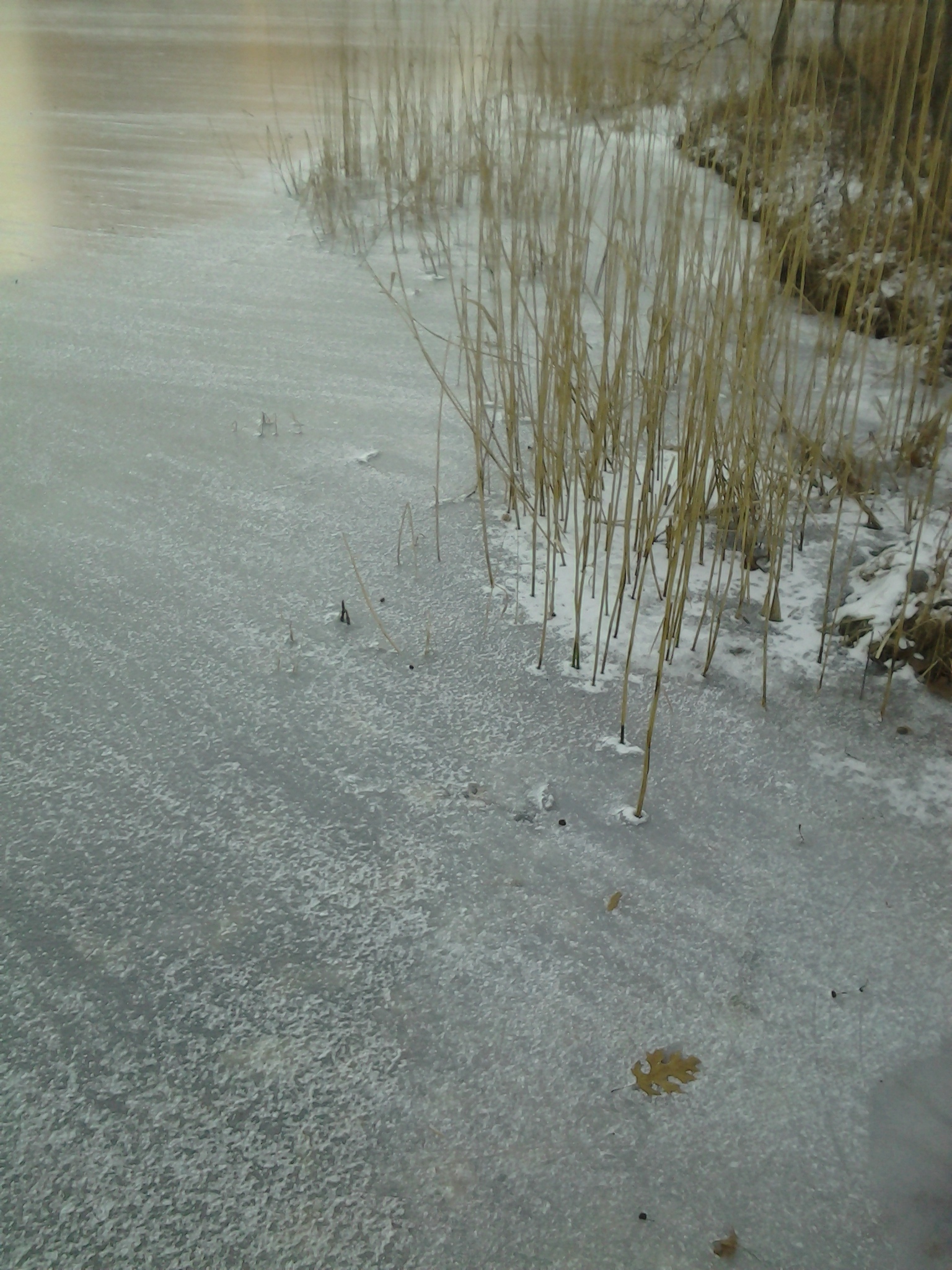
Thin ice spreads a broad surface steady cold winds skate across. Positioned beside a stand of dry cattail, exposed face feels a slap along the banks of the Harlem Meer, here one calendar month into Winter.

“David Bowie has died.” became an actual phrase as tough to bear. The headline’s words smacked me awake last Monday morning. Temperate December gone as a switch flicked on to a frigid January. What a way to begin. Then a man known to a young outdoorsman as “Grizzly Adams” portrayed by the now late Dan Haggerty, passed away.

Artist; Outdoorsman; Heroes: Gone.

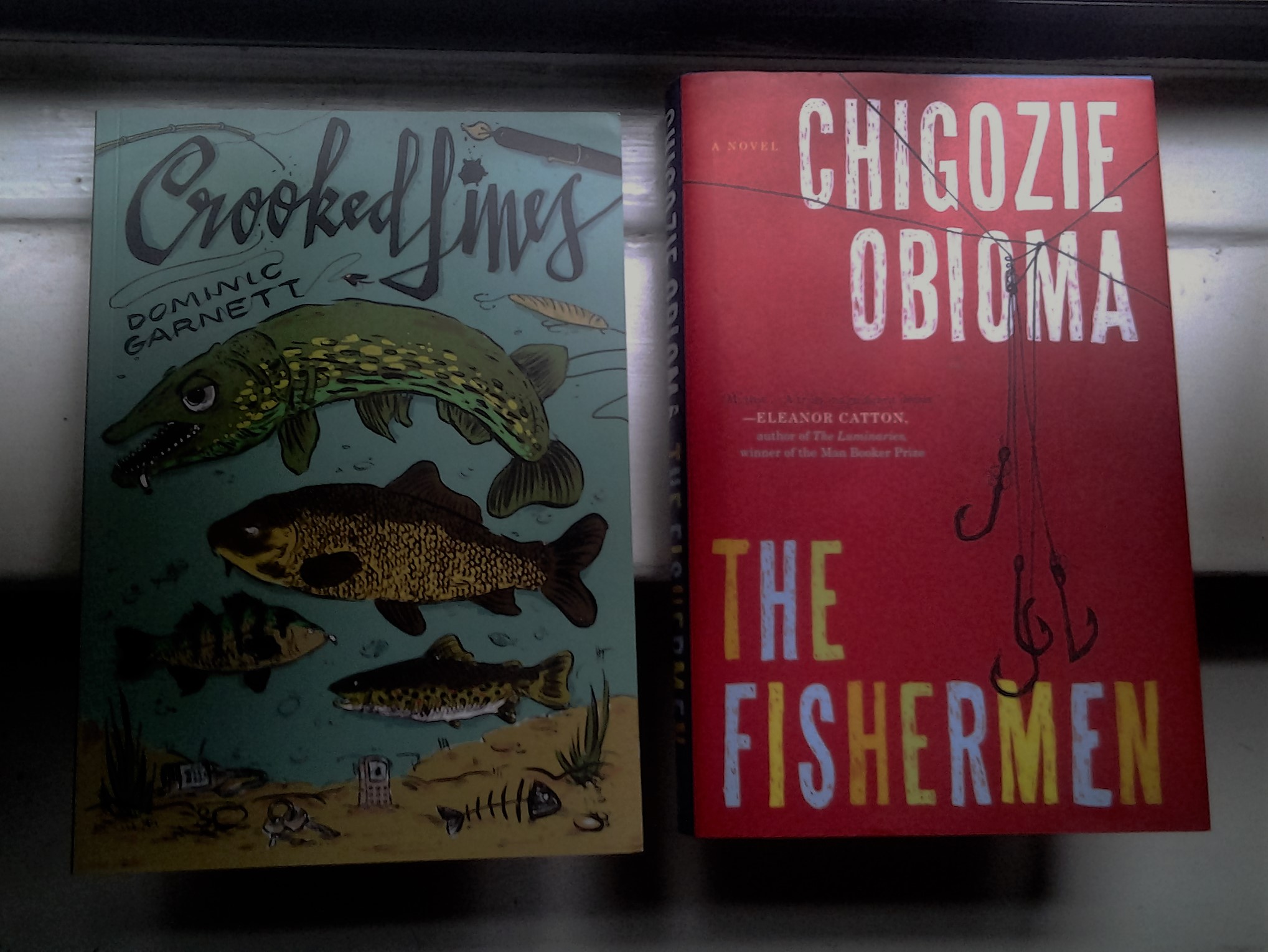
Reading regenerates. Any flagging level of retention or enthusiasm for the written word must be engaged since for the writer the word can at times be work. Reading for professional growth becomes pleasure when the titles are as strong as Crooked Lines by Dominic Garnett and The Fishermen by Chigozie Obioma. Fishing is a subject rendered in broad terms on these pages. Story, profound and fun, can be found in every line.

January Reading (01 2016)

January Reading
(01 2016)


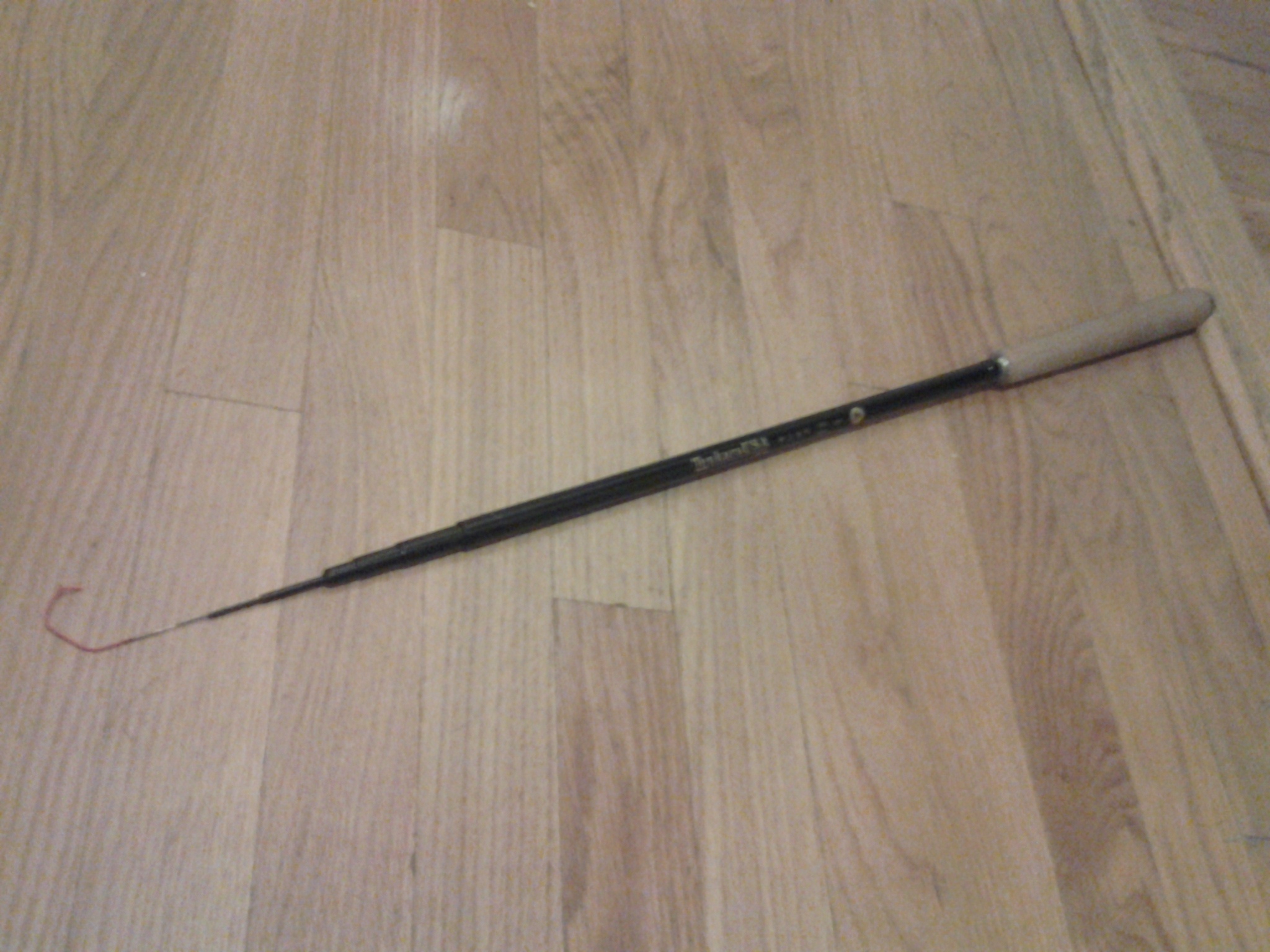
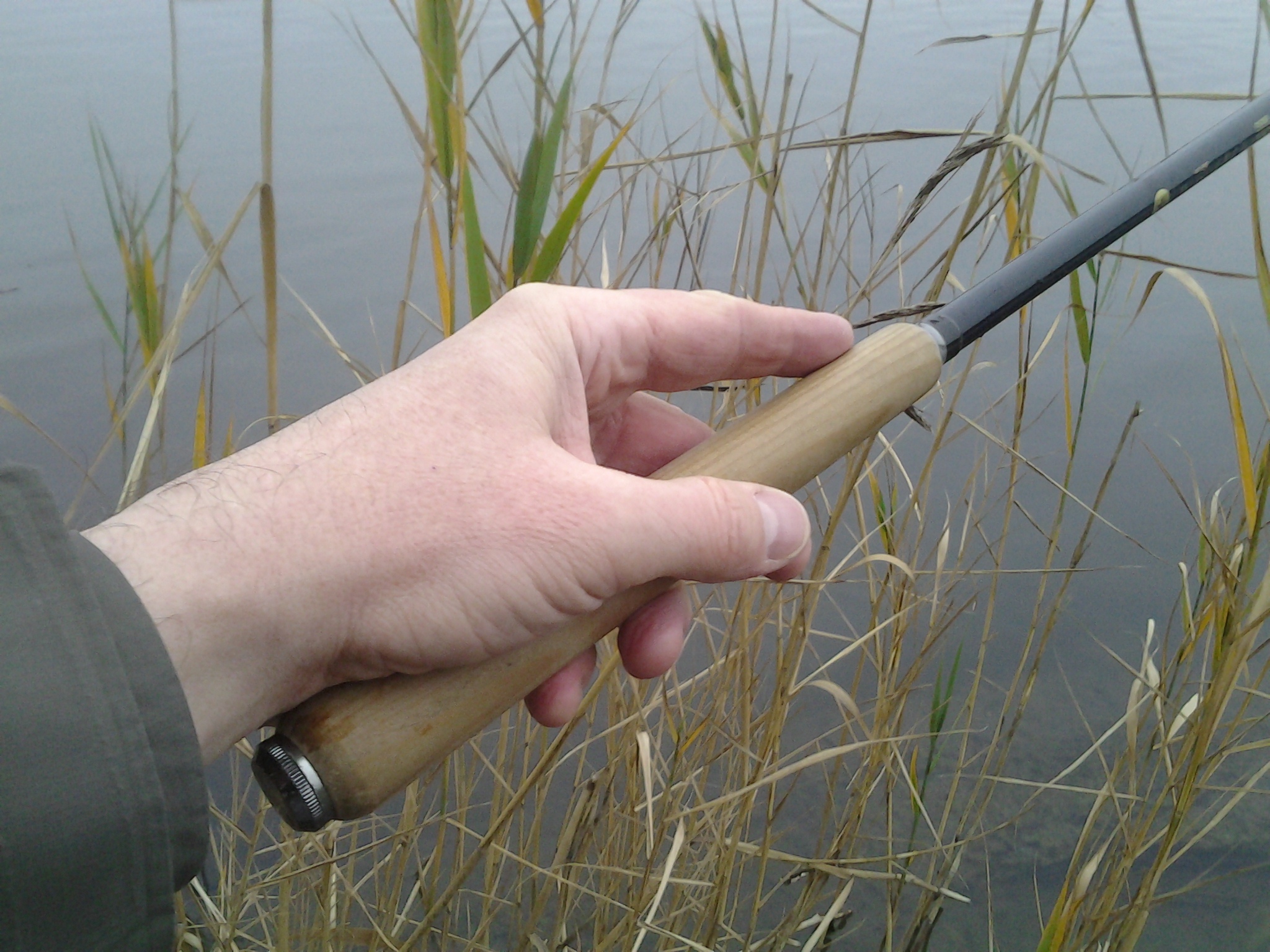
The light of Winter: brilliance filtered clear scenes of brown, white, and blue finished by a tangerine sunset. That light gives hope, braced by added good timing in the form of a gift of new shoes, Saucony cross trainers, paired with an Ebisu tenkara rod that received express professional service from the Repairs Department of Tenkara USA. Support of this speed and quality has allowed me to grieve by living life as fully as I can squeeze It into a day.

Ebisu (01 2016)

Ebisu
(01 2016)


Loss can be reabsorbed and channeled into positive productivity and even happiness when pushing into a period of life experienced at a higher notch. David Bowie lived such a life. He pursued multiple art forms to high levels. He could dance. The theater and film embraced his performance. And he painted. David Bowie, artist, left us a large body of painting and sculpture. My appraisal sees his his work fit the historical space adjacent to Francis Bacon when it comes to rendering human personality and psyche through expressionist treatment of the portrait face.

Fly tying and illustration fit right in step with this multimodal creative expression. Combined with writing, these arts and crafts can also bring a fishing book to term. Writing, like most all the creative channels, involves the malleable process of the Plastic Arts.

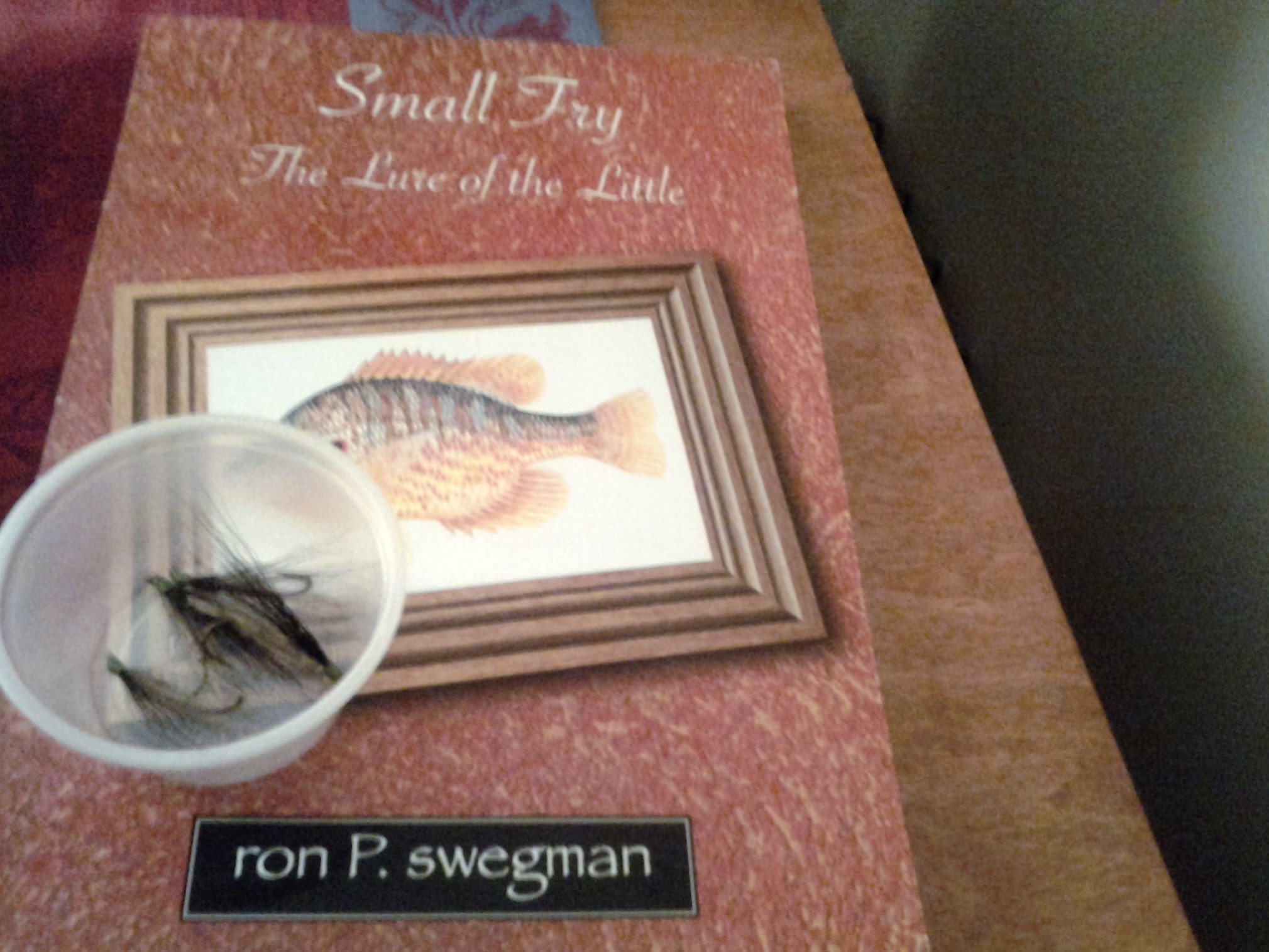
Small Fry & the Muddy Moreblacks (01 2016)

Small Fry & the Muddy Moreblacks
(01 2016)


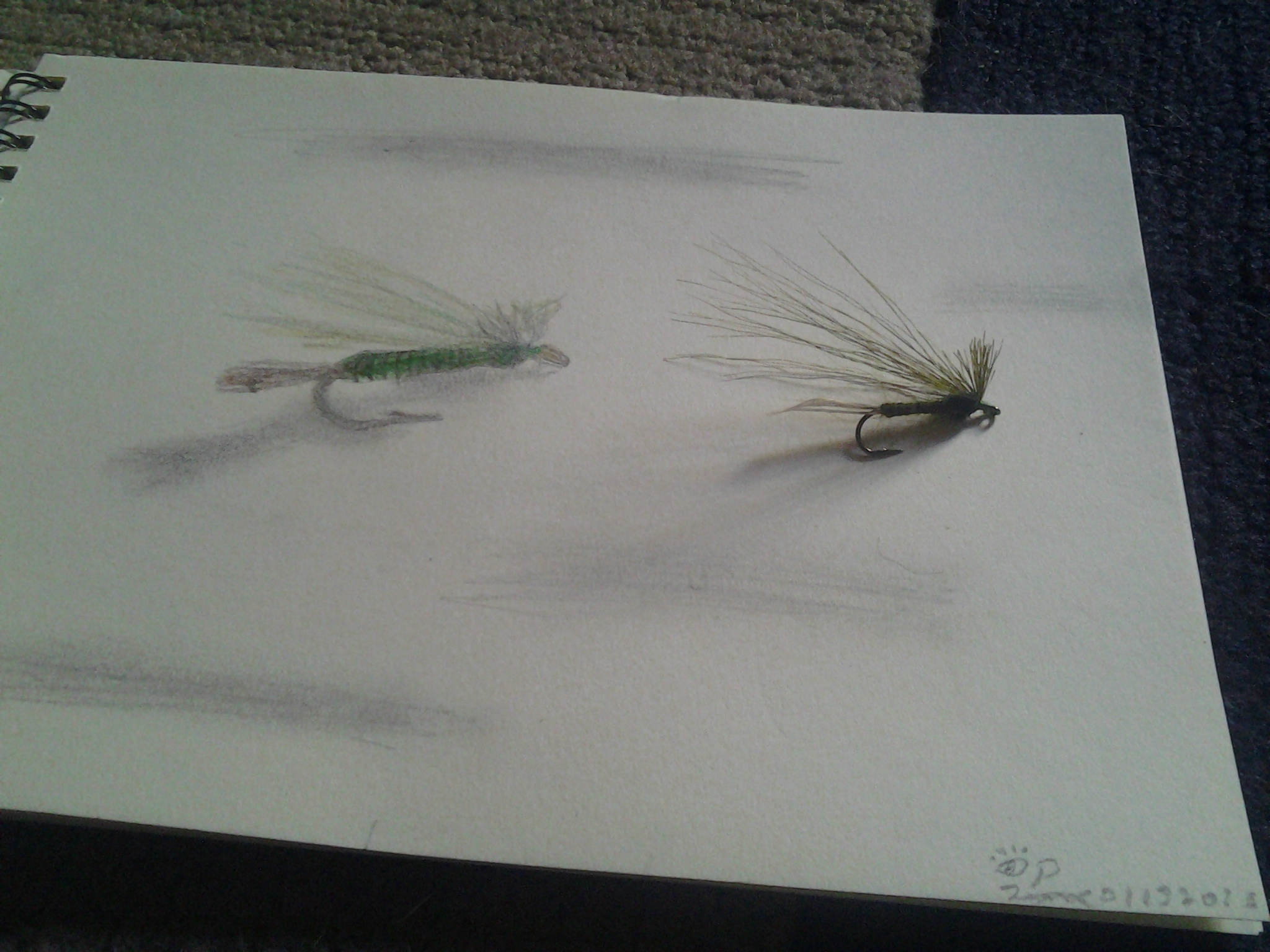
Green Guarantee in Situ (01 2016)

Green Guarantee in Situ: colored pencil and original fly pattern on paper
(rPs 01 2016)


The setting of eleven on my own amplifier can be activated by the blending of art and sport. Running combined with some safe clambering over rocks, safe climbing of trees, legal catch and release fishing. Bird watching, cycling, and yoga can be included as well. After the stretch and a cool down, the documentation through multiple art forms may happen, sometimes. The cycle of (my) Life, work I deem ample enough for a human life span.

David Bowie gave insights into this way of living one’s life. Dan Haggerty breathed life into a character who carried such convictions into the outdoors. Activity and Art: a lasting living legacy, a positive path pointed out so well by two heroes: the sensitive animal man, last name Adams; the putative human, first name David.

– rPs 01 22 2016

Leave a Comment

“Let Me Go”

“Let Me Go”


Home to a Swan Prospect Park Lake (12 30 2015)

Home to a Swan
Prospect Park Lake
(12 30 2015)

The news of the passing of Ian Fraser Kilmister, Lemmy, hit me as hard as his pulverizing yet melodic bass solo on “Stay Clean” – the Motörhead track that has fueled my final kick during many a road race. On the eve of New Year’s Eve, bearing the news of this loss in a year full of it, including childhood role model, Leonard Nimoy, my own friends, John Mutone and Ketan Ben Caesar, and extended family, my uncle Andrew Amici and grandmother Marie Amici, there was only one thing I could do to find peace.

British angler Dominic Garnett helped to point the way. I have just received his new book of stories, Crooked Lines, in the mail and a recent post on his blog of the same name describes “Casting into the Wind” along gray canals lined by dry, tan reeds. That angling image offered me some light.

“Let me go,” I said to myself. “Fishing.”

I decided to repeat last year’s example with a visit to Prospect Park Lake in Brooklyn. Unlike the bright and blue day I enjoyed at the close of 2014, the weather this time was gray, cold, with a hanging damp in the air. The lake sat gray and calm, the surrounding woods brown and still. The light tan of the shoreline reeds offered the only warm color to the scene, which was quiet but for the bird song of coots, geese, ducks, and gulls.

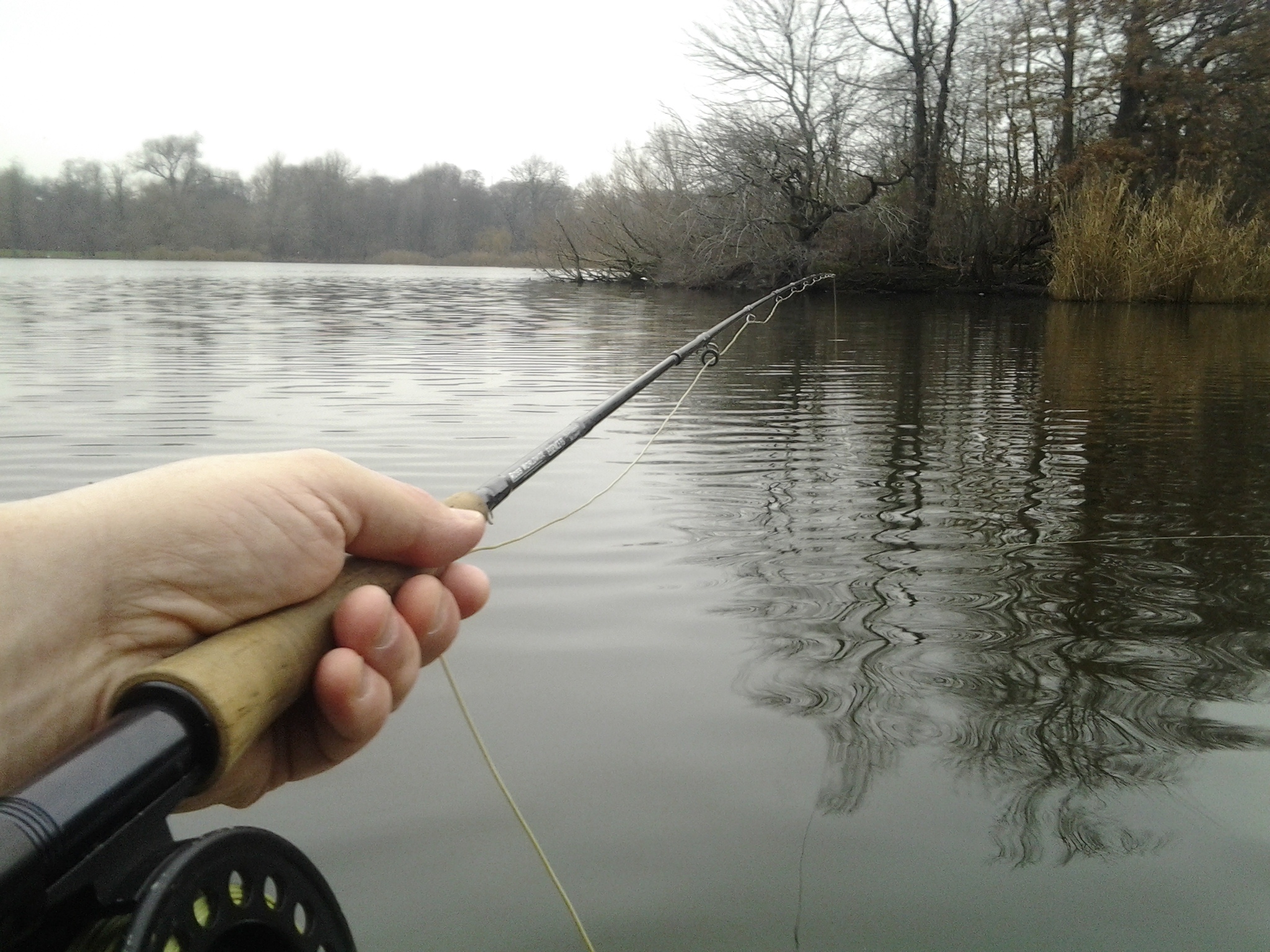
With the theme of “Letting Go” floating in mind, the decision seemed natural for me to also relax the rigidity in my fishing approach by bringing along a conventional nine-foot 5-weight matched with a floating line. The idea was to compare and contrast the equipment with my Ebisu tenkara rod with traditional furled line to learn how my casting (and hopefully, catching) may have evolved after four years spent focused on stillwater tenkara.

The lesson learned to my experience is I now cast rod and line better. I find myself entering into that easy rhythm of The Zone much more easily than before tenkara came to my attention. I fished the 5-weight in a fixed line manner, lifting line and leader off the water with very little use of the reel or stripping in of line. Slow swimming lifts were used to bring my size 8 Green Guarantee home to the bank.


Ebisu in the Winter Reeds (12 30 2015)

Ebisu in the Winter Reeds
(12 30 2015)


What's This!?! Conventional 5-weight for comparative fly fishing. (12 30 2015)

What’s This!?!
Conventional 5-weight for comparative fly fishing.
(12 30 2015)


Fishing? Yes. Fish? I missed one light tug on the Ebisu. I switched to another section of the lake where I brought the 5-weight into action. Like last year, during the last hour of light, a connection was at last made.

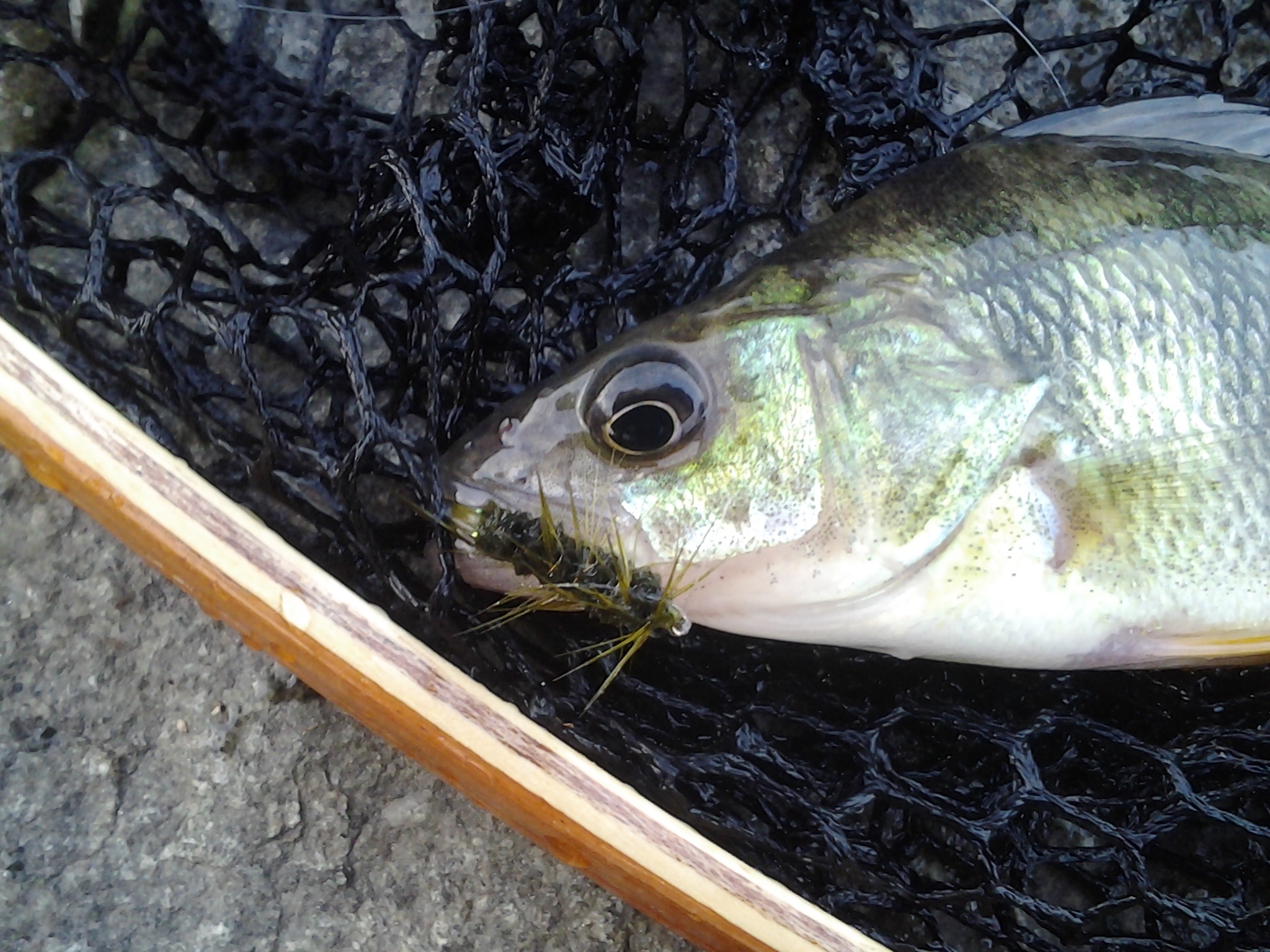
Not a perch, not like last year. This time something intercepted the fly along the far edge of some reeds where a few sunken branches also projected. Slow and solid, the taker pulled in rippled descending waves of resistance. The rod bent in a deep way as the fish, a large black crappie, rolled, splashed, and at last reached the surface and the mouth of my beaten but unbroken Brodin net.


The Best, The Last, 2015 Black Crappie (12 30 2015)

The Best, The Last, 2015
Black Crappie
(12 30 2015)


One fish, a nice one, allowed one more catch, photo, and release for 2015. Finished, the fish darted from my underwater grip. The sky had become noticeably darker. Low clouds began to roll in and my breath steamed. As I had been reminded far too many times over the course of this year, time races more than passes. “Letting Go” is necessary.


“Let me go,” I said to myself. “Home.”

– rPs 12 31 2015

Leave a Comment

NYC Tenkara Club

NYC Tenkara Club . . .


This just in. New York-based tenkara angler, Nelson Garcez, forwarded news of an exciting new development: a NYC Tenkara Club is forming. He says:

“Join us for the inaugural meeting of a New York City based fly-fishing club that congregates TENKARA aficionados. There will be fishing trips to the Croton and Catskills in New York as well as Connecticut and New Jersey. Fly tying sessions in town are also planned.”

When: Tuesday, December 8, 7:00 p.m.
Where: Orvis NY – 489 Fifth Avenue, New York, NY

“We will have pizza and wine and a brief presentation about Tenkara fishing around New York City.”

Please RSVP to: info@nyctenkara.org

“Walk-ins are MORE than welcome.”

See YOU there . . .


NYC Tenkara Club Flyer


– rPs 11 29 2015


Leave a Comment

14th November, 2015

14th November, 2015 . . .
 
for Albert Camus
 
War in Europe, again.
How ironic
And how parallel
 
To continental
Historical cycles
This conflict has arisen
 
To Whenever,
To Wherever,
Perpetual war cataclysm.
 
We people are a species
Stuck rocking
On our own rodent wheel,
 
Rolling
Rock of our own
Rolling.
 
— ron P. swegman
— 14th November, 2015
Reflecting November Rain (NYC 11 2015)

Reflecting November Rain
(NYC 11 2015)

— rPs 11 14 2015

Leave a Comment

The Girth Hitch

The Girth Hitch . . .


When Is A Knot Not? 07 2015

When Is A Knot Not?
(07 2015)


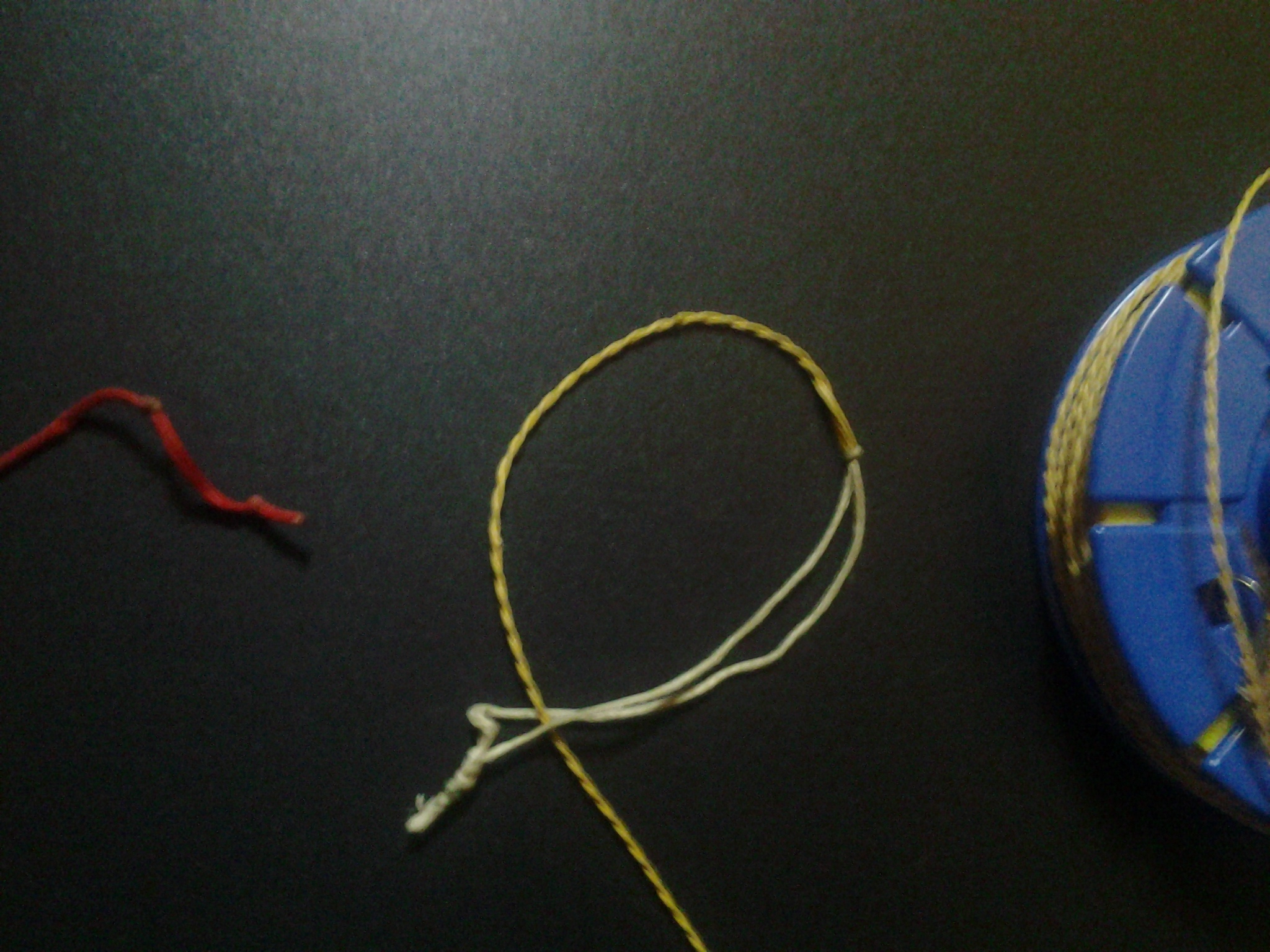
When is a knot not? The knot of and in itself, an infinite loop object, that meets the immovable object. The Lillian end, the knotted silk tip of a tenkara rod, offers its utility of simplicity to the loop as one meets the other in an essential equally blended architecture.

The Girth Hitch; this one gives traditional tapered line, with its silken loop and double helix weave, an impressive connection to a tenkara rod’s tip. The head yank of the trout and the pounce of the bass all require secure connection: The Girth Hitch.


***

“The Girth Hitch Gives Hedge. “

I pointed to the glass countertop, passed an open hand over the open tube with its cap set to the side, the rod, and the rod’s tip plug set aside on the unknotted sock. Father and Son, their eyes followed my hand like two in study of a wily card trick magician. “The tenkara rod held in this travel tube makes a great academic introduction to flycasting types and rod action as it relates to the artificial fly.”

Father and son were entertained. The flybox was clipped closed.

“Tether the three together. Rod, Line, Fly: The Angler Knots, my pun on tethered astronauts. Your main option here out may well be the line. I am on the level when I say I’m happy to see you have started with traditional tapered.”

Father asked for more, suggested as his son hugged a stuffed toy snook. “The black line looks like one on a largemouth bass.”

We knew local pond water offered plenty of largemouth bass and sunfish. “Have fun. Use the pattern your son insisted upon. Yours, right?”

The son hugged snook and raised up his free thumb. Thumbs up.

Several hours later the father emailed a photo: youngster, smiling, tenkara rod perpendicular, line tight to a grip holding up a planed hand of barred brass and blue. “Tenkara Bluegill.”

The Girth Hitch (07 2015)

The Girth Hitch
(07 2015)


“Small Fry” . . .

– rPs 07 29 2015

Postscript: Small Fry: The Lure of the Little

The Whitefish Press

http://www.whitefishpress.com/bookdetail.asp?book=87

Amazon


Leave a Comment

For Short

For Short . . .

Theodore Gordon and Deer Hair Cahill Sakasa Kebari (photo taken 03 01 2015)

Theodore Gordon and Deer Hair Cahill Sakasa Kebari
(photo taken 03 01 2015)

“Deer Hair Cahill Sakasa Kebari”

Testaments of all faiths have in their spirit the sense of a letter from one to another. Letters “Of and To” are “For and From” as well. A blog in a sense is such a form. When standards are held up, when the focus is on a subject rather than an “I,” a post can be a literary act of sharing with conviction most commendable.

The level of Art is reached at times in any endeavor. The epistolary word, being of high standard, demands much from an author to become Art. Theodore Gordon’s mayfly patterns are canonical, so is his correspondence with G.E.M. Skues and Frederic W. Halford, written when he was nestled in the ‘kills of New York, read still a century after composition.

Gordon remains a compelling figure for contemplation when engaged in the sport of fly fishing and the craft of fly tying. Readers now are individuals never to be connected to the man in real time or place in the physical sense. We may never fish with him, although tethered we are by Gordon’s active mind talking from the page printed in his own careful words.

Gordon and his thoughts on the artificial fly are well known. Another fly fisher of New York, Daniel Cahill, goes more unsung, perhaps for the simple reason he did not write, although his surname stands attached to another of the canonical Catskill patterns. He was a brakeman for the Erie Lackawanna railroad and a fly tier during the late 19th Century. His Light Cahill and its variants, a staple imitation of the pale Stenecron (Stenonema) mayfly, endure as surely as those of Gordon, although the man’s actual voice, from mouth or page to ear and mind, may be silent.

Gordon and Cahill, mayfly and trout: all four have combined along one tenkara path to form a pattern I find works when trout fishing during the warm months of May through August. Shaded runs, a calm evening, or when the sun lets go of the water during the middle of a morning. A trout rising at such a time on a ‘kill might find such a basic pattern effective fished wet or dry.

I combined the deer hair I have kept close this tying season with 6/0 olive, tan, black, or white thread and bodies of yarn, feather, floss, tinsel necked with a standard peacock herl thorax. One with an angora rabbit fur body resembles a very impressionistic Light Cahill.

Deer hair is employed for the hackle rather than feather. This is a sakasa pattern, one that holds a Japanese traditional tenkara hackle orientation. The trick with deer hair folded forward is to retain a soft and parse head, which I half hitch at the rear base of the hackle. Scissors, bobbin, and thread are all the tools most necessary. Visual aids, if or as needed, of magnification 1.0 to 5.0 times can help on the details when hooks are on the smaller end. My preferred size for this pattern, based on satisfactory catch rates, is a 16.

“Has the pattern a name?” or “What do you call it?” has been asked. I reply in conversation: “(Swegman’s) Deer Hair Cahill Sakasa Kebari or Deer Hair Cahill Sakasa Kebari, for short.”

Recipe:
Size 14 to 18 hook
Angora Rabbit for Body
Peacock herl for thorax
Deer hair for hackle
6/0 thread for wrap

All the Tools Most Necessary: Tenkara Still Life (photo taken 03 02 2015)

All the Tools Most Necessary: Tenkara Still Life
(photo taken 03 02 2015)

Deer Hair Cahill Sakasa Kebari: a mouthful for fish . . .

– rPs 03 02 2015

Leave a Comment

Hielo Fino

Hielo Fino . . .

Thin Ice in Manhattan (January 07, 2015)

Thin Ice in Manhattan
(January 07, 2015)

Hielo Fino = no fishing for a while . . .

Comme Il Vous Plaira

Cold calms it down
Despite the light of live fire.
Brown, white, and blue
Rush red flush in full attire.

This, That, and Thine
Locked on the city of lights.
Your time and mine:
Most necessary of rights.

— rPs 01 08 2015

Postscript: My opinion is my own and includes the belief that I am as a creative writer and professional journalist an individual who cannot condone the brutal slaying of fellow journalists no matter how they may have expressed themselves in media. The events in Paris on January 07, 2015 should serve notice that a global restraint on violent reactions to free expression must be accepted, adopted, and enforced in full. No one or thing, not even in the name of a sacred human conception of God with a capital G. has the right to take another human life. Murder is an immoral, an inhumane, an incorrect act that discredits the dignity of us all.

Leave a Comment

Year’s End, Prospect
Year’s End, Prospect

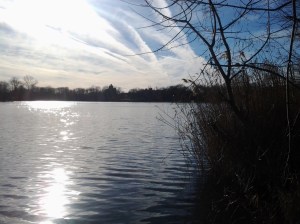
Prospect Park Lake Brooklyn, 12 29 2014

Prospect Park Lake
Brooklyn, 12 29 2014

Vapor Trails imbued with sunlight fill a blue sky on some December days. One last one above the temperature of 40 degrees Fahrenheit beckoned me to follow through on one final item of outstanding tenkara fishing business: Taking my Tenkara USA Yamame rod for a test around Prospect Park Lake in Brooklyn.

Brooklyn . . . Of course. I had to go there at least once in 2014. Completion of mission vital to my own authority added a pinch of incentive as well. Prospect Park had not seen my traditional tapered line all season. The Bronx, Manhattan, as well as Queens have all been noted as has fishing the Hudson’s New York Bight’s salt adjacent to Staten Island. Four, not all five, boroughs in total, the count found wanting a major one of New York City’s destinations: Prospect Park Lake.

The omission appears even odder considering Brooklyn’s coolwater lake has the highest notoriety for catch and release bass fishing. For nine months of 2014, I have fished hard, in and around town in between serving as a guide to new gear at an urban fly shop. My first catch of a bass happened as early as the final week of winter in March. Trips in between then and now included meeting the saltwater papio of O’ahu, Hawaii. I had been to Brooklyn a bunch of times for friends and culture. Time then to go fishing there as well at the eleventh-and-a-half hour of the year.

One of my own pioneering tenkara trips took place along a portion of Prospect Park Lake’s asymmetric circumference. The lake has over a span of years drawn me and several of my companions together in search of fish on the fly. Earliest spring and fullest summer have been experienced, never winter.

The cold day squeezed between Christmas and the New Year began bright and breezy, qualities that made the prospects look challenging in all ways but my own confidence. I knew, just knew, some kind of fishing would present itself if I maintained the kind of endurance and mental focus I must exhibit to complete a cross country run along a bright and breezy Hudson River waterfront.

Conditions lakeside enforced an immediate variation on my use of line. My traditional tapered lines were set aside in deference to Level Line attached to a much longer tippet of finer 6X. Unfocused invisibility can be seen as obvious given cold lake water’s clear visibility. Water temps in the high thirties Fahrenheit discourage green plant life, and the recent season’s remains now rest brown and settled. Prospect Park’s water and its column become a more translucent body skirted by shores of cattails, trees limbs, and stone and mortar wall.

Large nymphs work to lure fish during the cold season. Leaf litter offers ample residences for the dobsonfly among others. Whether it be a Kebari americana like The Prince, Zug Bug, your own variation on the theme, or the all-inclusive Woolly Bugger, unweighted or beaded patterns are effective. More important may be presentation. Some strip in a nymph when stillwater fly fishing. Fair the approach may be, as well as a Leisenring Lift customized to your speed theory, or a sustained swimming action that takes advantage of an unweighted fly pattern’s buoyancy . . .

The Undulating Microtug

I grinned when the technique met a take. Connection to a fish had first to endure several persistent hours of casting in and around some brisk breaths of air off the water. Coldweather tenkara this was. No topwater action was on deck. The kebari patterns were a dice roll that occupied my mind: Olive Dobsonfly, The Prince, Zug Bug, and my own Grey Wet Wool Nymph described in my second book, Small Fry: The Lure of the Little. Sizes ranged between 6 and 10.

Coldweather Tenkara (12 29 2014)

Coldweather Tenkara
(12 29 2014)

What changed during the day was the wind. Air and lake calmed during the last hour of daylight. I finished with an Olive Woolly Bugger tied by steelheader Stephen Kasperovich of Sewickley, Pennsylvania. He is adept also when angling for yellow perch, the fish that turned my fading prospects at Prospect into a grand form of fishing finale.

His pattern uses a very soft chenille body matched with an undulating saddle hackle. Several seconds after I began to swim the Olive Woolly Bugger, a fish met the fly and connected. Several runs of ten feet and head shakes bent the Yamame and played me before I lifted a perch in net from the water.
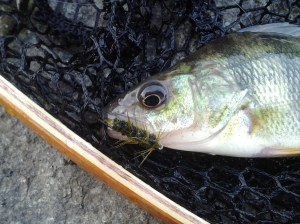
Yellow Perch (Olive Woolly Bugger by Stephen Kasperovich)

Yellow Perch
(Olive Woolly Bugger by Stephen Kasperovich)

Perca flavescens has been encountered before both at Harlem Meer and Van Cortlandt Park Lake during late August and September. The species is a popular quarry for ice fishers, making its presence and activity understandable on the calm end of this cold day. Several more perch followed, although not in a metronomic fashion one might associate with a large school. Each fish had to be worked, had to be coaxed, into striking. The hinge of the entire experience was again a willingness to put full thought into full motion forward. Full cast and retrieve with a focus on the fly at the end of the Level Line. Any slow swimming retrieve using wrist action combined with a lift can take tenkara fishing into catching. The other factor may well be that I found a spot holding some fish at prime time: the short span of minutes that can make up a wintertime bite.
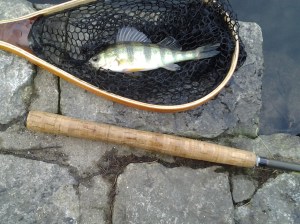
Yellow Perch in Net

Yellow Perch in Net

Bird life communed on and around the lake. American coot, Fulica americana, plied the calm water and called at dusk in the manner of gas passing out of either end. Strange, mildly humorous, a sound like belching farts almost quite nearly contradicts the bird’s conservative plumage, which may bring to mind a solemn clergy’s robes.

Bird in View (American Coot)

Bird in View
(American Coot)

The day’s final sunlit moments brought a final yank transmitted down to the grip of my Yamame. The strategy of the competitor changed. Now a tight, circular fight, at net’s end my heavier opponent turned out to be a very round bluegill dressed in a pale purple sheen with olive details and black chain link bars twisted and reminiscent of the double helix. Bluegills can be a rare encounter after the spawning bed period. Even small waters may find a bluegill population strangely reticent despite a circumscribed space. I felt more than pleased to call this fish my final catch and release of the year.

The Final Fish (Bluegill)

The Final Fish
(Bluegill)

Red skies at sunset reminded me of a poem from my collection of poetry, museum of buildings: poems

Across the bridge I’m crossing
Lay the city bathed in sunset.

At the end of this “last day of December” the trees rather that the tower blocks were tinted.
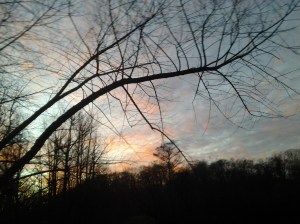
Sunset (12 29 2014)

Sunset
(12 29 2014)

Farewell, Tenkara Fishing, 2014

The Year’s End

– rPs 12 30 2014
Leave a Comment

« Newer Posts · Older Posts »
Design a site like this with WordPress.com
Get started