John Gierach: “All Fishermen Are Liars”

John Gierach: “All Fishermen Are Liars” . . .

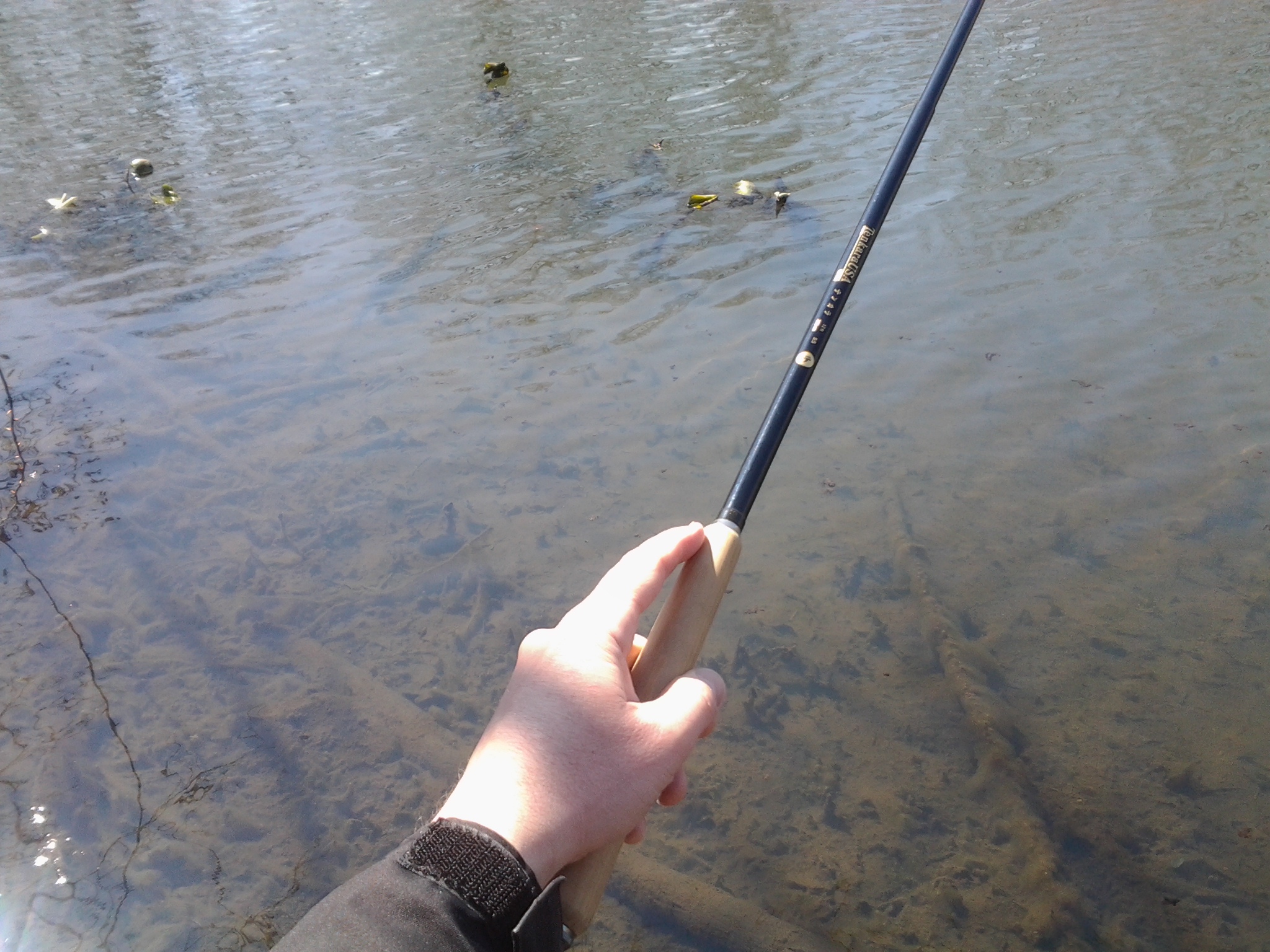
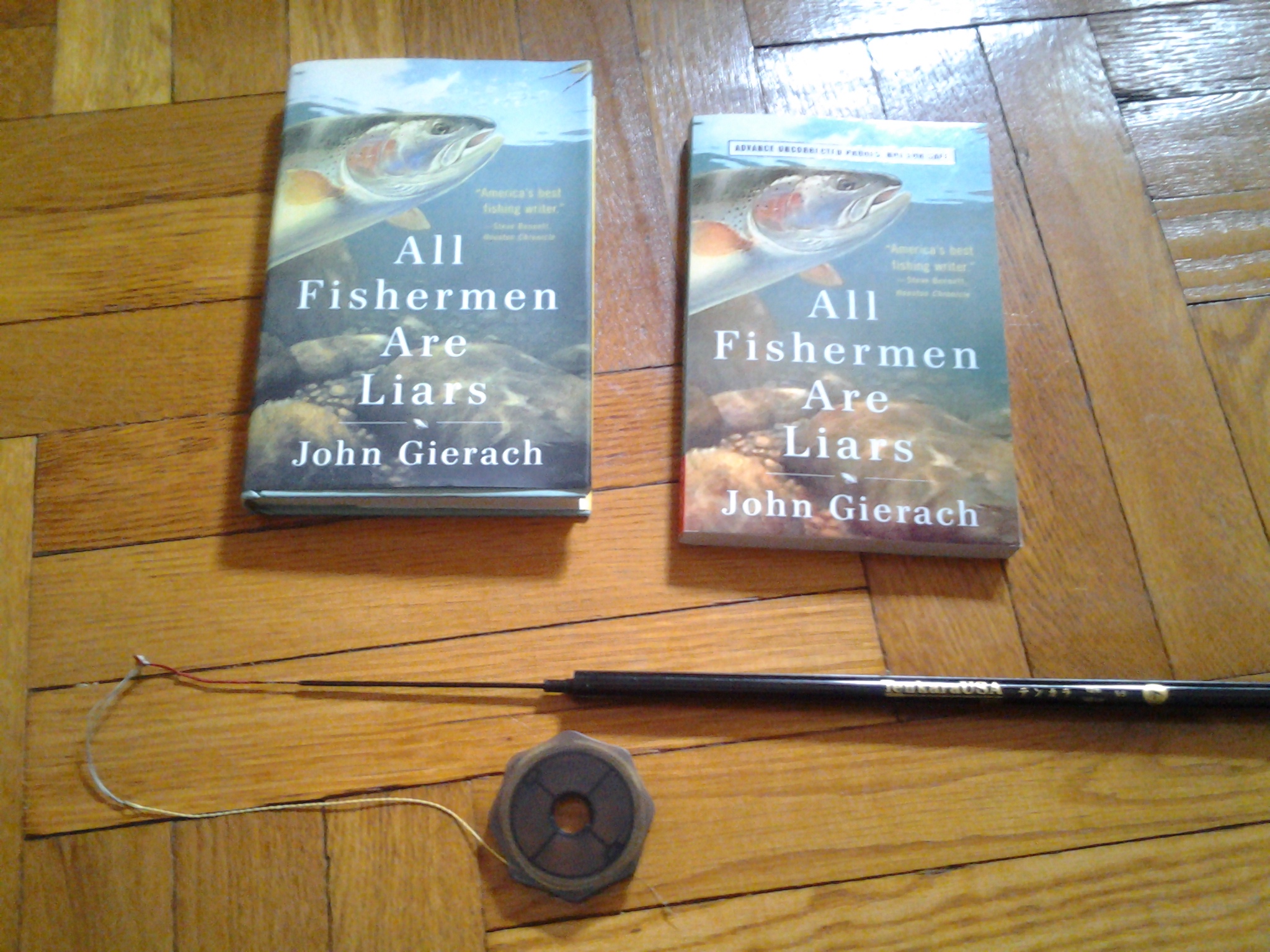
All Fishermen Are Liars by John Gierach Ebisu by Tenkara USA (photo taken 04 11 2014)

All Fishermen Are Liars by John Gierach
Ebisu by Tenkara USA
(photo taken 04 11 2014)

John Gierach’s new collection, All Fishermen Are Liars, was released by Simon & Schuster on April 15th. I had the enjoyable task of reading an advanced copy and writing a review, which has been bundled with a video interview hosted by Tenkara USA. Here is the link:

http://www.tenkarausa.com/blog/?p=6048

Many thanks to Stephen Bedford and Daniel Galhardo for making this literary angling experience possible.

And thank you, John Gierach, for the good words . . .

– rPs 04 17 2014

Leave a Comment

April: A Day; A Lake


April: A Day; A Lake . . .

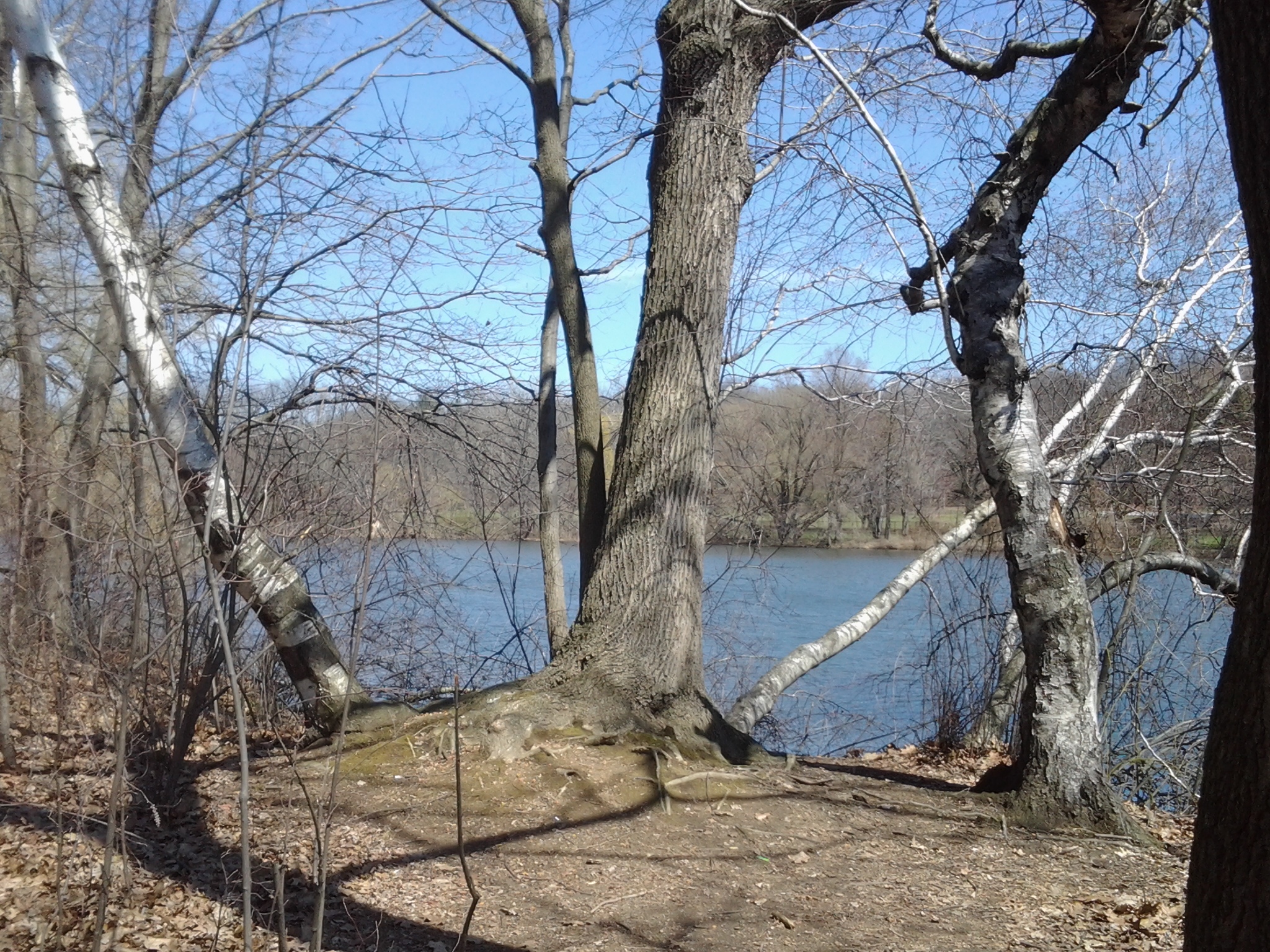
April: A Lake. (photo taken 04 10 2014)

April: A Lake. (photo taken 04 10 2014)

North of Manhattan I have fished several times in several locations. A fact may be the environment of a stillwater is more important than a place name. If you have a pond accessible in early spring, do fish tenkara there. You may catch panfish, bass, even perch and trout and pike, sized to the scale of the rod you choose.

Ebisu and I ventured into a brisk wind, cold, just not enough cold to put on my fingerless wool mittens. I knotted on a 4X length of tippet a weighted chenille pattern, olive in color, 10 in size, as well as later a classic size 12 Zug Bug nymph tied expertly by the folks at Umpqua. My new tool: a treat; a tapered, woven, 11 ft. Tenkara USA line dressed in a pale olive color.

Converted, instantly, instinctively I was to this line despite the wind level; it was obnoxious enough to make me laugh out loud with myself.

Clean and neat is the tapered line. Greeted I was, after four or five casts, by a modest largemouth bass sporting a clean and neat pattern. The fish met me during a slow Leisenring Lift beside some submerged sticks. Visibility was the best in a year as I would learn further, later, casting to carp on the lily pad flats.

I added a foot or two of Berkley Trilene green 10 lb. monofilament to absorb abrasion and to act as transition between the visible tapered line and the invisible tippet. A loop to loop between tapered line and transition is matched on the other end by a double eight knot on the transition and some kind of slip or clinch knot on the fine side.

Moss gone green; skunk cabbage and onion grass in sprout; red buds tipped the trees, all below a blue as clear sky. The wind remained generous. I learned to cast in step with it toward promising stick piles and boulder banks.

My number of chances at a carp on the flats equaled one. A fish of eight pounds to my eye passed by me bankside. I decided to spin. I pulled the lever, placed the sinking fly four feet in front of fish with a light and tight ripple following its swinging caudal fin. The fish swam on ahead on a singular mission of its own.

Flats Casting. (photo taken 04 10 2014)

Flats Casting. (photo taken 04 10 2014)

The second bass proved to be a miracle of play and patterning. A strike out of visual depth pulled tightly, approached the surface; its side rippled flashes metallic, resisting in equal the bending Ebisu. I had five or six feet of bank to each side, one occupied by a sunning turtle I did not want to disturb. I tiptoed behind the shell; our eyes together, as the rod doubled down like an extended arm wrestle.

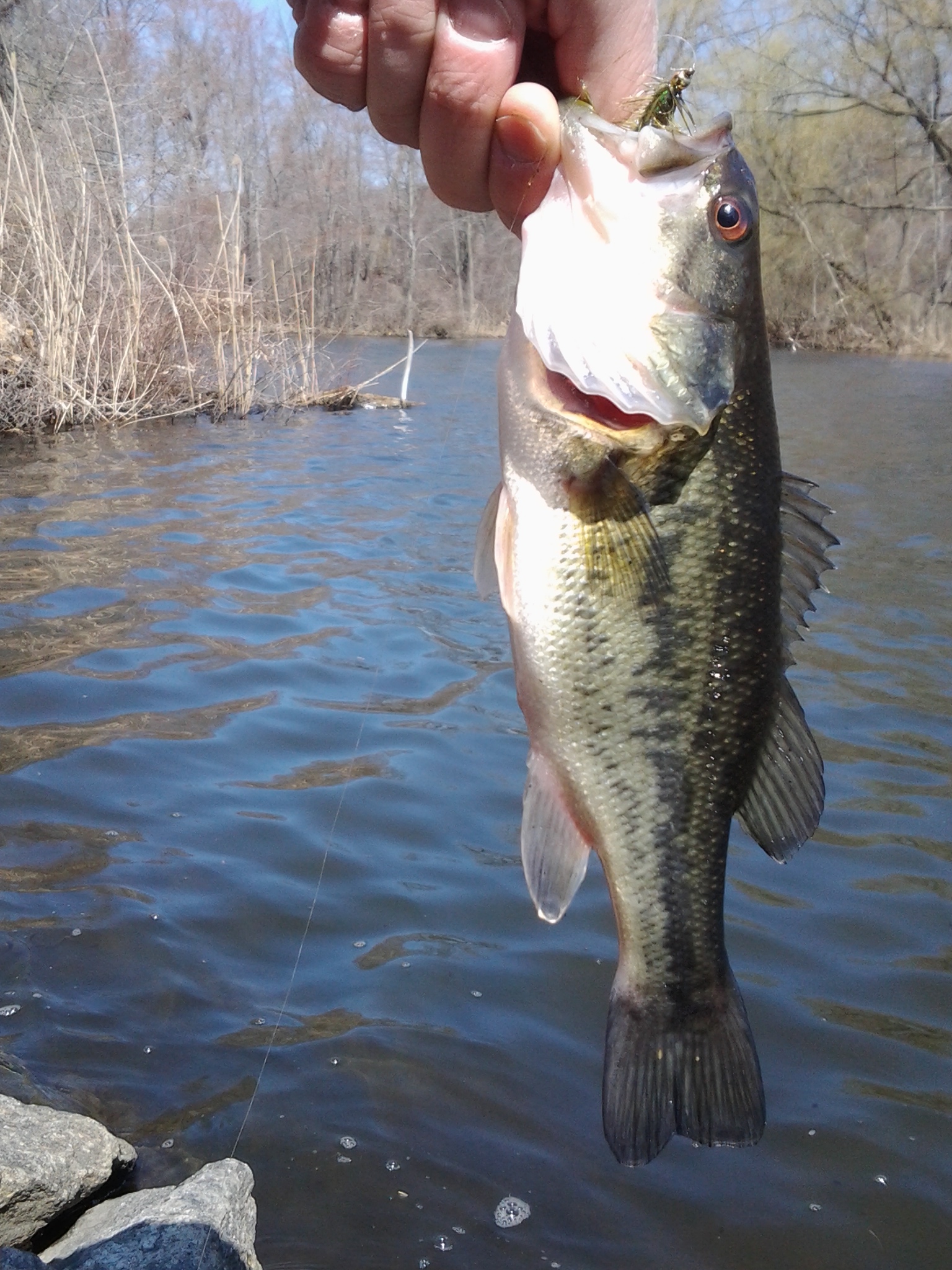
My thumb, up, won a short photo session with a long fish; a female to my eye and understanding of fish profiles. Rare have I seen such clarity and splendor in the prominent black lateral line and bordering blotches. Each bass flank is a flag. This one remains high at full mast.

Largemouth April. (photo taken 04 10 2014)

Largemouth April. (photo taken 04 10 2014)

Open brush and dry phragmite stands around an adjacent pond’s perimeter afforded me a chance to ruminate on the catch. I cleared out a measurable amount of public plastic trash, which I disposed of later at a public can. Glass and metal do not disturb me so much as these materials, in moderation, weather better. Plastic, however, and batteries? The bits and pieces add up. Besides, you want your photos to look clean!

The equivalent of three rolls of film later, I found myself wrapping up in another manner. I rolled the tapered line onto its simple, effective dispenser. One golfer passing by announced to his other friends: “I wanna go fishing. I like to go fishing!”

I did.

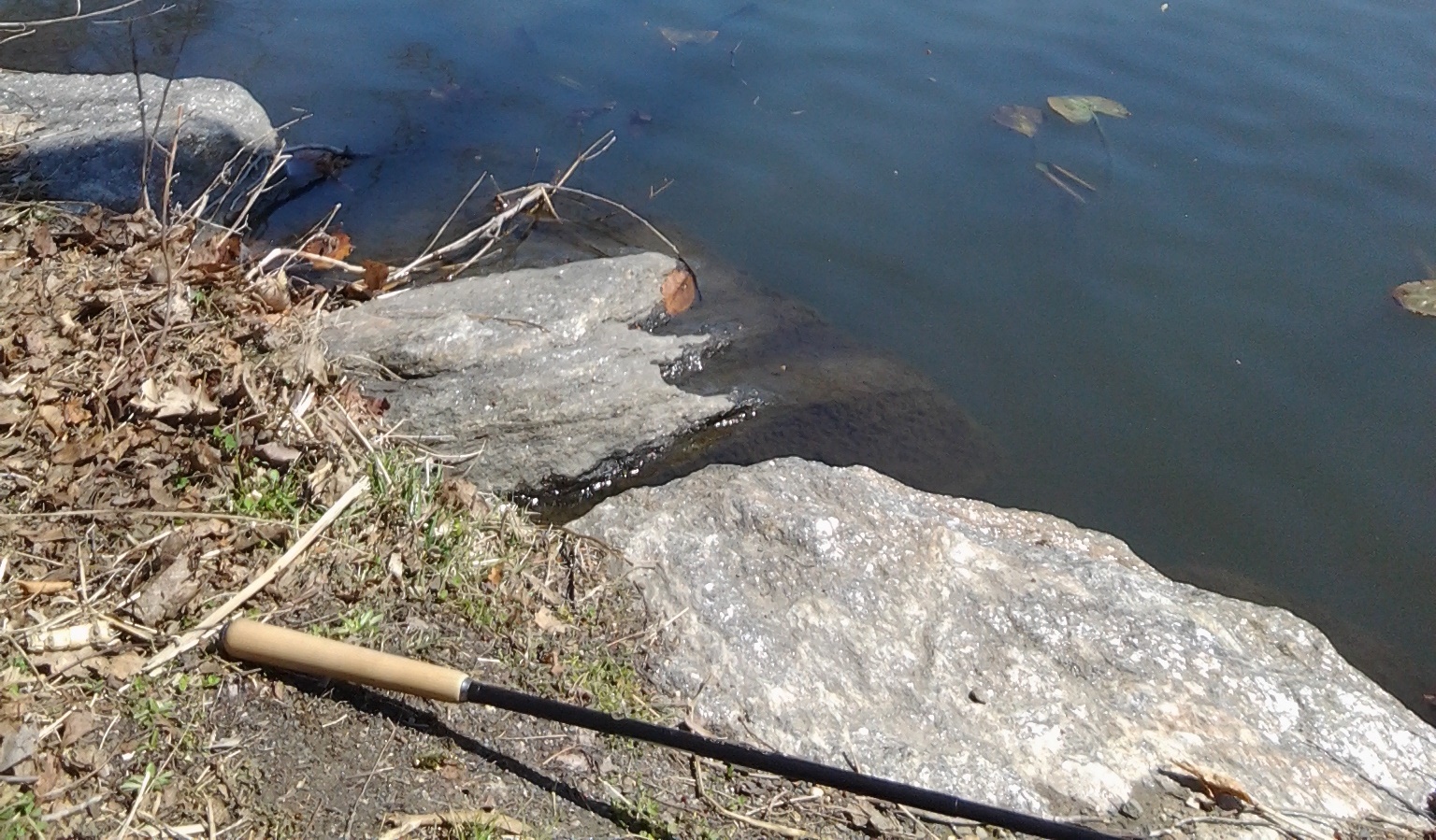
Ebisu Near Rising Pads. (photo taken 04 10 2014)

Ebisu Near Rising Pads. (photo taken 04 10 2014)

– rPs 04 11 2014

Leave a Comment

Just a Second

Just a Second . . .

. . . As in Happy Second Anniversary . . .

. . . Tenkara Takes Manhattan . . .

Tenkara USA Ebisu: Lillian and spooled tapered line on the table. (photo taken 04 09 2014)

Tenkara USA Ebisu:
Lillian and spooled tapered line on the table. (photo taken 04 09 2014)

— rPs 04 09 2014

Leave a Comment

Harlem Meer, Blue Again

Harlem Meer, Blue Again . . .

Free at last: Harlem Meer without ice.. (photo taken 03 21 2014)

Free at last: Harlem Meer without ice.. (photo taken 03 21 2014)

The wind was up. The sun set the high cirrus aglow. Harlem Meer reflected deep blue and, occasionally, bare trees. Rippled, the winded surface did not deter the birds. Canada Geese, Mallard Ducks, and Hooded Megansers all utilized the resource. I found myself, too, with colleagues Fergus and Jesse. We three angled urbanely for an entire Friday.

The water was clear and dark, free of weed. Only the bottom, where we worked our offerings, hinted at the ragged rooted bases of plants yet to rise.

I decided to employ one of my own finished fly patterns:

The Green Guarantee; a bucktail streamer

Green Guarantee: bucktail version.

Green Guarantee:
bucktail version.

Recipe:
Size 6 hook
030 wire for weight
Deer hair for tail
Olive floss for body
Peacock herl for thorax
6/0 Green thread for wrapping

ATURAL DEER HAIR, OLIVE FLOSS, PEACOCK HERL, and OLIVE BUCKTAIL.

Where others using conventional fly fishing outfits and ultralight spinning outfits failed, tenkara succeeded. One fish fell for the delicate dance of the pattern. The limber tenkara tip had provided again.

Crappie as long as your pine handle: Tenkara USA Ebisu and a black crappie. (photo taken 03 21 2014)

Crappie as long as your pine handle:
Tenkara USA Ebisu and a black crappie. (photo taken 03 21 2014)

First black crappie of 2014

The day’s fishing ended on a silent moment. We three stood abreast and watched, as time lapsed in front of us, the bend of a cove letting go the last of its lock of ice.

Harlem Meer, blue again.

– rPs 03 31 2014

Comments (1)

The Luck of “The Spring”

The Luck of “The Spring” . . .

Harlem Meer Still White. (photo taken 03 13 2014)

Harlem Meer Still White. (photo taken 03 13 2014)

I made myself meet the water a few days before this St. Patrick’s Day. I caught and released one fish.

There was a sky full of helicopters, a loose chain of ambulances at emergency, and deep rumbling rolling in from the Northeast. Air, not natural, had burst from the seams and taken down a piece of Manhattan.

My day off: fishing as this was occurring. An awareness of balance, rather than a feel of guilt, charged my exploration of “The Spring” in Winter. Harlem Meer, I would learn later, was a solid white floor surround by the yellow brown fields of March. Lucky Me: I chose first a greener ground of jade where “The Spring” offered water along one of three shorelines, most of the best spread out behind a bankside fence I chose lawfully not to cross.

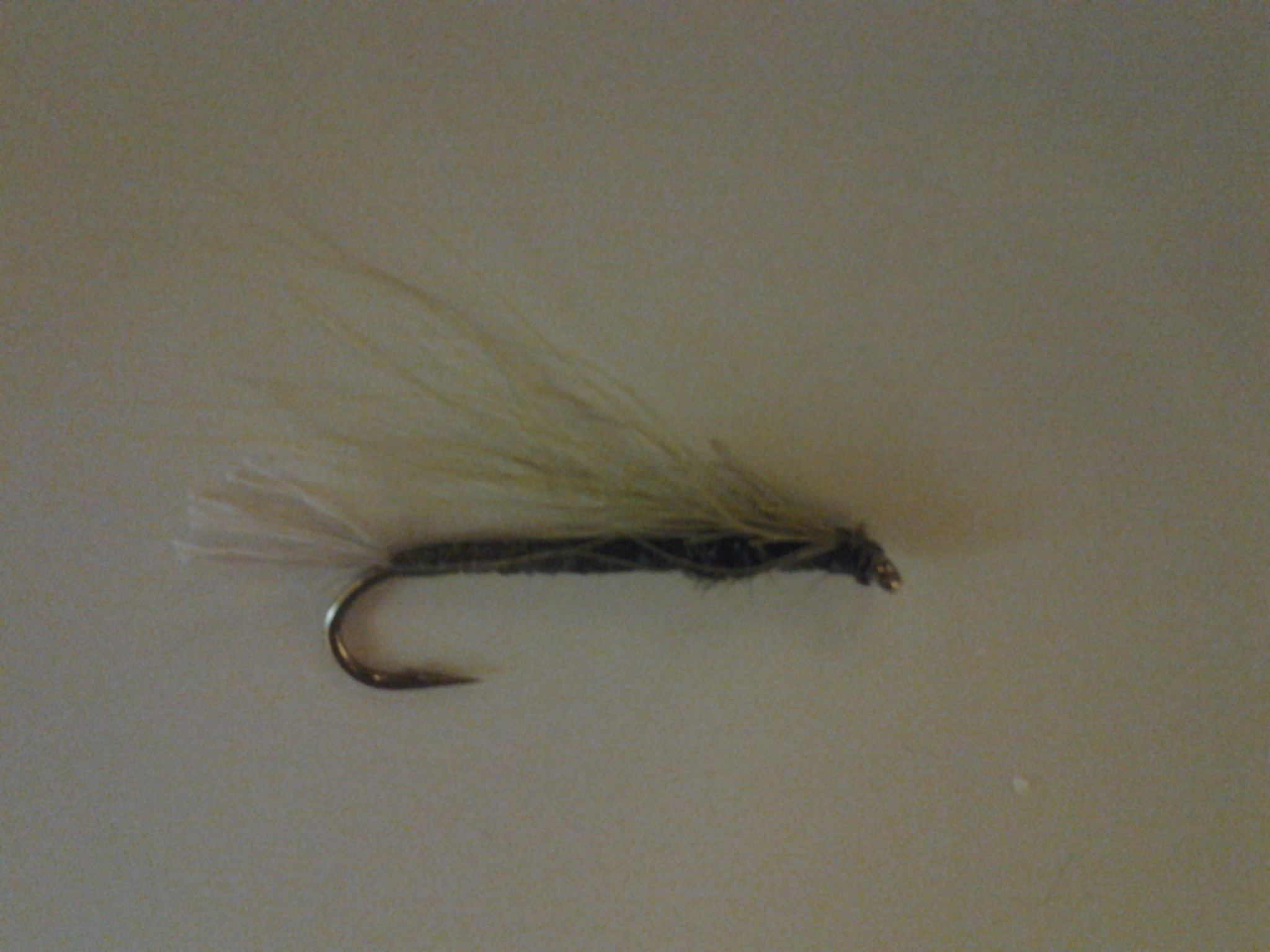
Hemmed within seventy-five feet of width, fifteen feet of breadth, and a depth measuring less than a rod’s length, I fished a Deer Hair, Peacock Herl, and Thread nymph of my own design. Plenty of cool casting onto the ice opened up to me on a 3.5 Level Line. Thin ice is like an immense, monolithic lily pad. Audible slides along the ice with a tug off to the depths make for a great presentation when successful. What works at an even higher level across the fishing spectrum is the same matched with a larger pattern: next an Olive Deer Hair and Floss Bucktail tied in a manner akin to a Mickey Finn, or with a sparse beard like my Green Guarantee, first described on The Global FlyFisher in 2008.

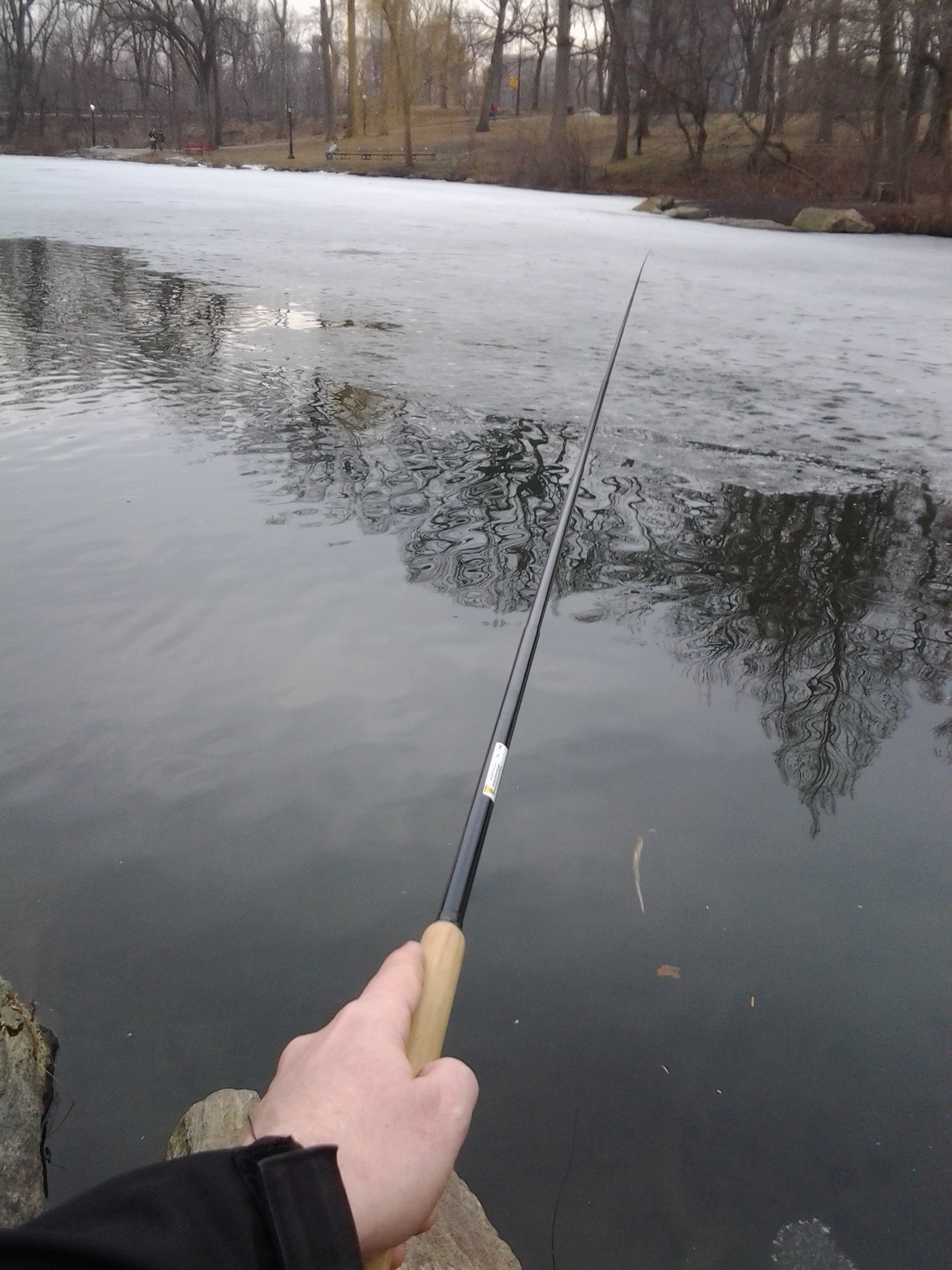
Tenkara on thin ice. (photo taken 03 13 2014)

Tenkara on thin ice. (photo taken 03 13 2014)

Four extended periods of disaster noise sounded in the distance as I began to fish. The rumbles reminded my mind’s ear of the Baghdad air war thunder shown (and heard) on television during both Gulf War I and Gulf War II. The news through the fog of dust and information settled on eight dead, many injured and displaced. A gas leak? Investigation on site has not yet been engaged in full because of debris. There has been that much material mixed with potential survivors, so great care has been taken.

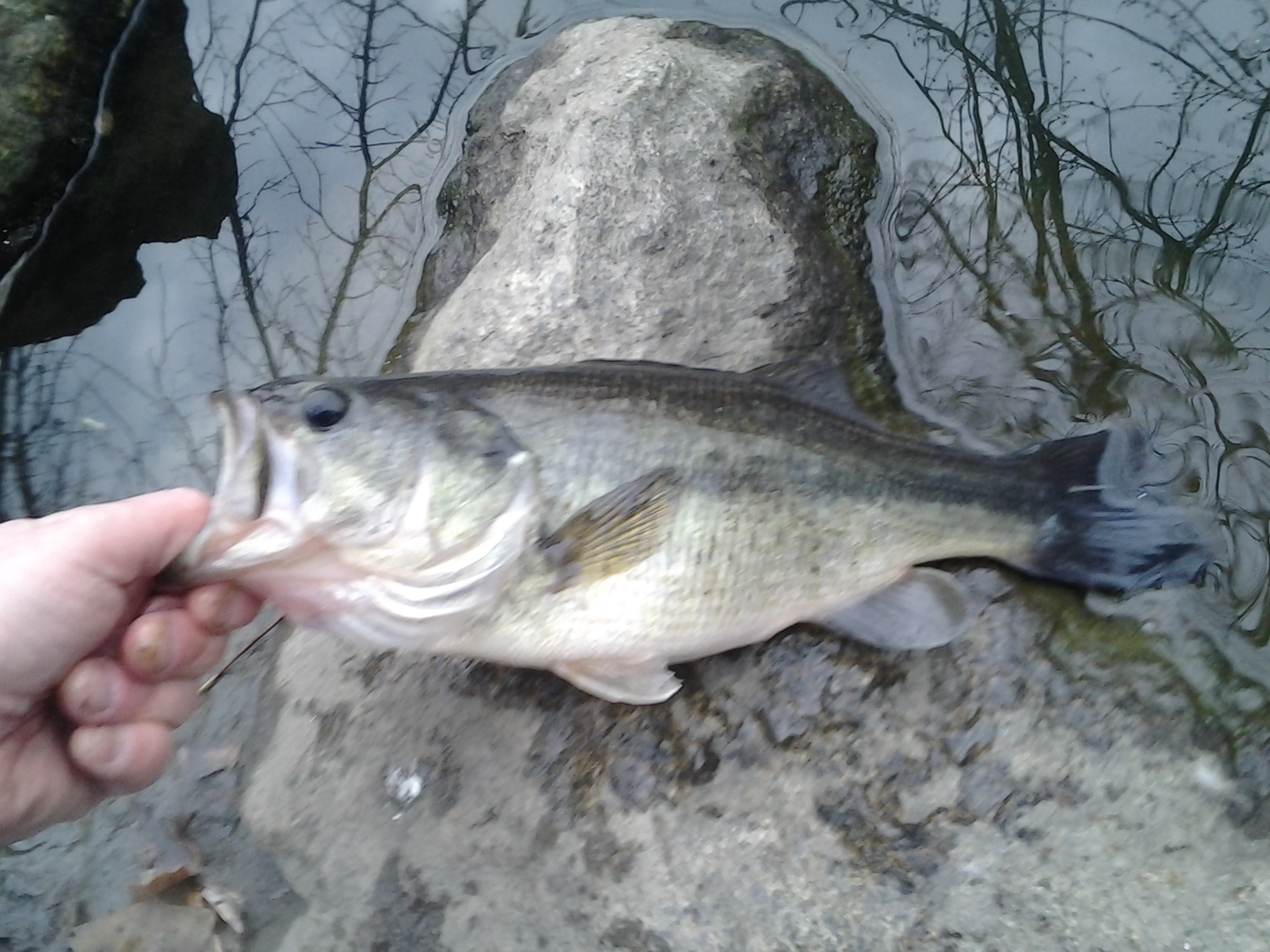
On the top of the hour of one, a better blast sounded on my side. Luck struck. A sudden take a foot below the ice edge began to move. No winter sluggish fish was this; I saw twice in profile a thick bass with a purpose. The silhouette was a rounded female rather than a thin pickle of a male. I feared my tippet might fray as three runs under the ice audibly shaved my line against the blade on the water’s top.

My Ebisu tenkara rod’s entire 5/5 flex was on arch display. I gripped the pine handle as if it were a solid body guitar. Grip locked in, I was able to lead the bass around a fallow pickerel weed garden to shore.

Blurry? Cold, wet hand and big, fast bass! (photo taken 03 13 2014)

Blurry? Cold, wet hand and big, fast bass! (photo taken 03 13 2014)

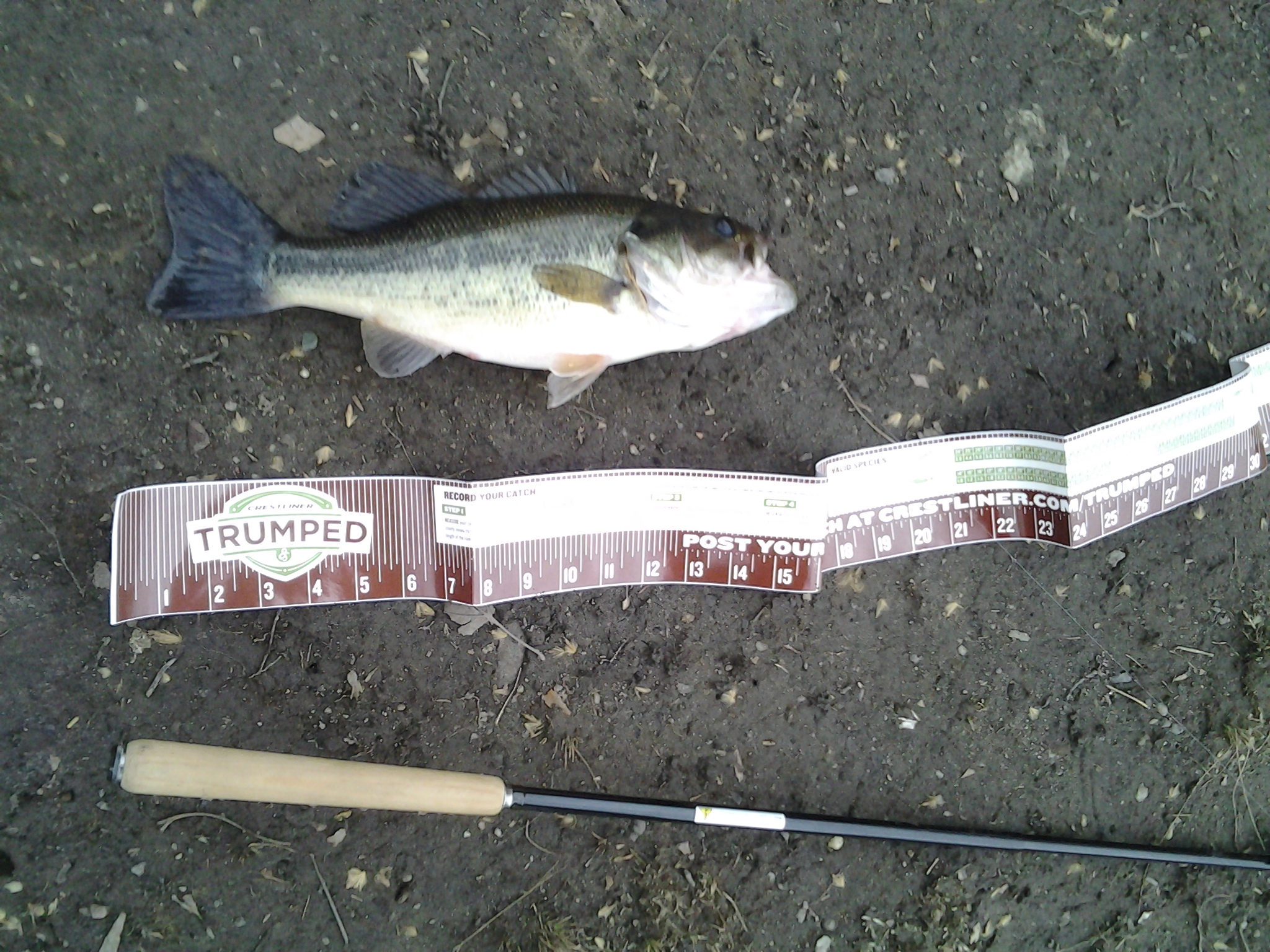
I rarely lay fish on any surface for a photo except sometimes wet grass on rainy days. Skies overcast, air still, the fish remained calm and stretched as most largemouth bass will as it endured a bragging shot on packed damp soil beside my laminated ruler and Tenkara USA Ebisu. Best Honest Estimate: 15 inches, 2 plus pounds, female largemouth bass.
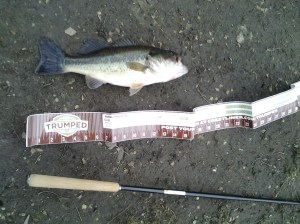
Tenkara can (sometimes) tackle big bass. (photo taken 03 13 2014)

Tenkara can (sometimes) tackle big bass. (photo taken 03 13 2014)

The Luck of “The Spring” . . . an ironic reward, when still in winter.

* *** * *** * ***

Angle 360

Doves dived
The depths of damp spring air.

The lake,
Biifurcated between water and ice,

Reflected,
Bare branches and brick towers.

In park,
Central to the whole reality,

One bass
Followed the ledge, following,

Up above,
Something crawling, scraping.

In went it,
Down into the wet water.

When tugged,
Wink, the line squared the circle:

The One and The Other
Spirited by connection.

.
* *** * *** * ***

My First Fish of 2014

– rPs 03 17 2014

Postscript: Read about the Green Guarantee at The Global FlyFisher by following this link:

http://globalflyfisher.com/writings/small-fry/pic.php?id=4614
Leave a Comment

Hielo Grueso

Hielo Grueso . . .

Hielo Fino! (photo taken 02 2014)

Hielo Fino! (photo taken 02 2014)

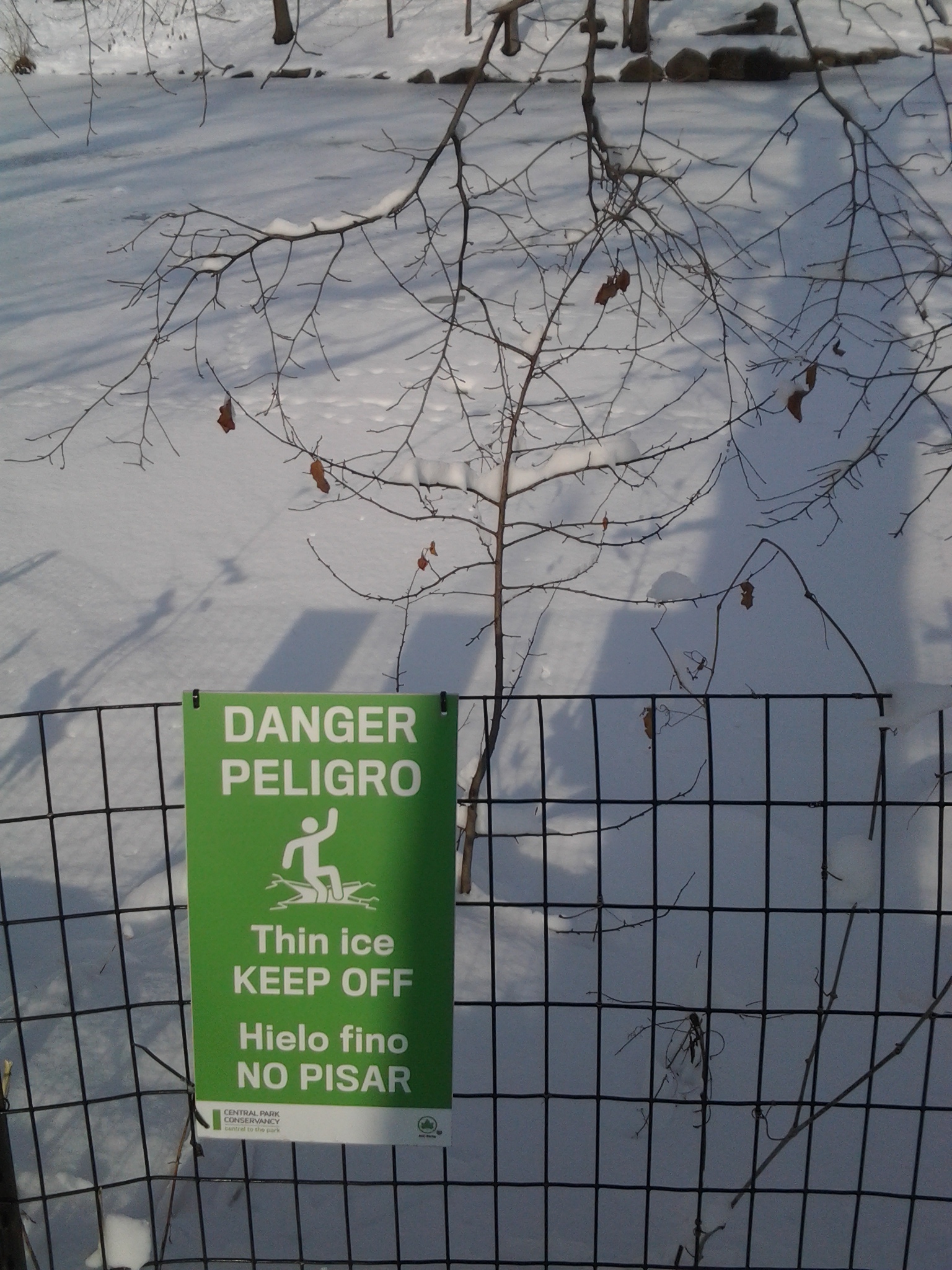
The sign beside this Central Park pond read “Thin Ice” – Hielo Fino en español – and that was on Super Bowl Sunday, the one warm, as in fifty-degree, day during the entire month of February. The NFL did dodge a bullet and scored a great success in the New York metro area. For other sports fans, such as those who fly fish with tenkara equipment, this month has been not so much a disappointment as an extended test is patience.

But wait! Yes, wait, indeed: more snow is predicted over the first days of March, which shall be arriving like a lion.

That sign should now read “Thick Ice” – Hielo Grueso!

Hielo Grueso! (photo taken 02 2014)

Hielo Grueso! (photo taken 02 2014)

– rPs 02 28 2014

Leave a Comment

New Year, New Gear

New Year, New Gear . . .

Goodies to start the new year: Tenkara Magazine, 3.5 Level Line, and a traditional tapered 11 ft. line. (photo taken 01 31 2014)

Goodies to start the new year: Tenkara Magazine, 3.5 Level Line, and a traditional tapered 11 ft. line. (photo taken 01 31 2014)

The “Polar Vortex” of 2014 has placed an unbroken solid ceiling of ice on my favorite local ponds and streams, yet I can still daydream of a day spent with my Ebisu tenkara rod, casting over open water, tussling with trout or panfish.

The USPO (and Tenkara USA) helped fuel my imagination further by delivering some new gear to my door. I received the debut issue of Tenkara Magazine as well as a new supply of 3.5 Level Line. Most exciting for me was the arrival of my first traditional tapered 11 ft. line. I can already tell by the look and feel of this 3rd generation product that I shall be casting into an April breeze with more confidence and accuracy. All I need do now is set up my vise beside a snow-bordered window, tie some kebari . . . and wait for the warmth at the other end of winter.

– rPs 01 31 2014

Leave a Comment

Time to Read

Time to Read . . .

Tenkara Magazine (photo courtesy of Tenkara USA)

Tenkara Magazine (photo courtesy of Tenkara USA)

The holiday season has brought a festive end to my actual fishing with the fly for 2013. In the time and space reserved for things angling, I have now acquired three good reads on my coffee table. All are worth mentioning.

First, and the one directly linked to tenkara, is the new Tenkara Magazine published by Daniel Galhardo of Tenkara USA. The debut issue features 112 pages of words and images from some well-known tenkara anglers and bloggers, including an illustrated piece – “Uptown Tenkara: A Crappie Experience” – from my own perspective. You can preview (and order) the magazine by following this link:

Tenkara Magazineª , vol. 2 (PRINT)

Two new novels also found their way into my holiday stocking. One is Death Canyon: A Jake Trent Novel by David Riley Bertsch. The author, like me, was born in Pittsburgh and attended Penn State University. While I moved east and into an even more urban existence, Bertsch travelled west to Wyoming and now lives the life of a fly fishing guide and novelist.

Death Canyon: A Jake Trent Novel

Death Canyon: A Jake Trent Novel

Here is the link to Bertsch’s debut novel on Amazon.com:

The second novel delivered by Santa is The Royal Wulff Murders by Keith McCafferty. Author of The Grey Ghost Murders, McCafferty’s hard-boiled, fly fishing private detective, Sean Stranahan, fills the void left behind after the recent passing of William Tapply.

The Royal Wulff Murders by Keith McCafferty

The Royal Wulff Murders by Keith McCafferty

Here is the link to McCafferty’s latest novel on Amazon.com:

Fishing may be going to hibernation for a spell, but there are plenty of new good words to fire the angling imagination during the cold winter months. Look for in-depth reviews of these publications in future updates

– rPs 12 30 2013

Leave a Comment

Autumn Leaves and Crappies

Autumn Leaves and Crappies . . .

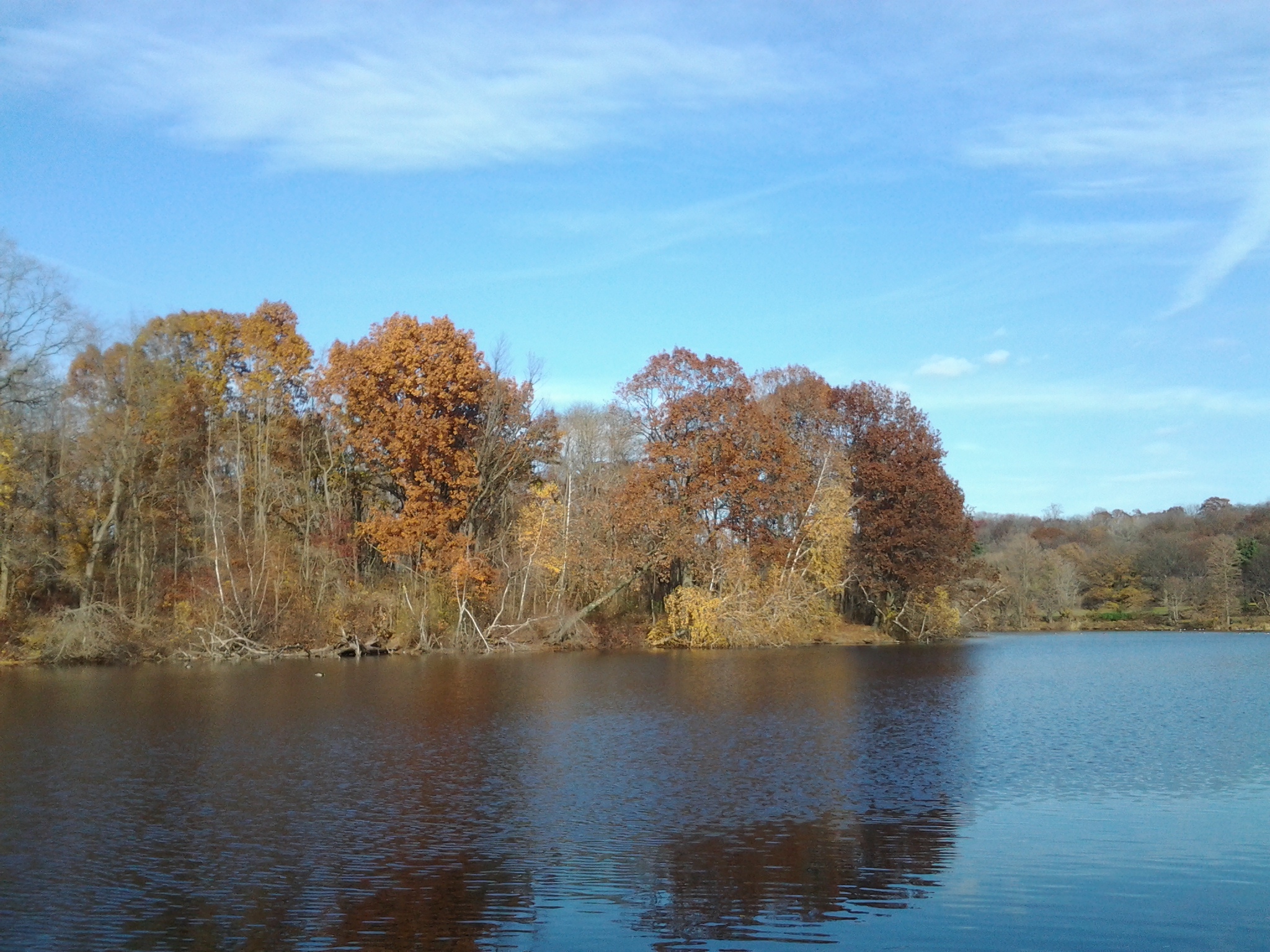
Van Cortland Lake in November. (photo taken 11 21 2013)

Van Cortland Lake in November. (photo taken 11 21 2013)

Instinct can coerce an angler into squeezing in a fishing trip despite the alluring pull of a comfortable couch.

That little, wordless voice urged me not to lounge around on my last Thursday off. I sat up, pulled aside a curtain, and looked up into the canopy of the tall ailanthus tree shedding leaves onto our rear courtyard. Three details stood out: the day was slightly warmer than it had been, the blue sky was softened by a thin tissue of cloud, and it was still. No wind rustled the garden for the first time in over a week.

New York’s pond fishing season is waning fast, thus the 1 Train was soon transporting me to the gates of Van Cortland Park in The Bronx. I had not reported from that destination since September of 2012. Would the fishing experience be different?

November is my favorite time for general nature loving. The brown months have almost, yet not quite, settled in for a season. Some colorful tree leaves, like the bright gold pennants of the Norway Maple, still cling to branches in scattered batches. Wildflowers, now dormant, display the pure architectural forms of stem and seed pod. Birds are active and easier to view, but the biting bugs are long gone.

Wetland path surrounded by fallow reeds. (photo taken 11 21 2013)

Wetland path surrounded by fallow reeds. (photo taken 11 21 2013)

Missing, too, were the thick lily pad beds and pickerelweed stands that thrive in the shallows of Van Cortland Lake during spring and summer. Fallen trees, half submerged, and a carpet of leaf litter had emerged as the dominant cover.

Good numbers of yellow perch are present in this lake. I selected a Prince nymph and went into action. The slow technique using a Leisenring Lift modified for stillwater should have been an effective method for luring a few specimens of green barred gold. The result instead was a quiet period of fine casting practice.

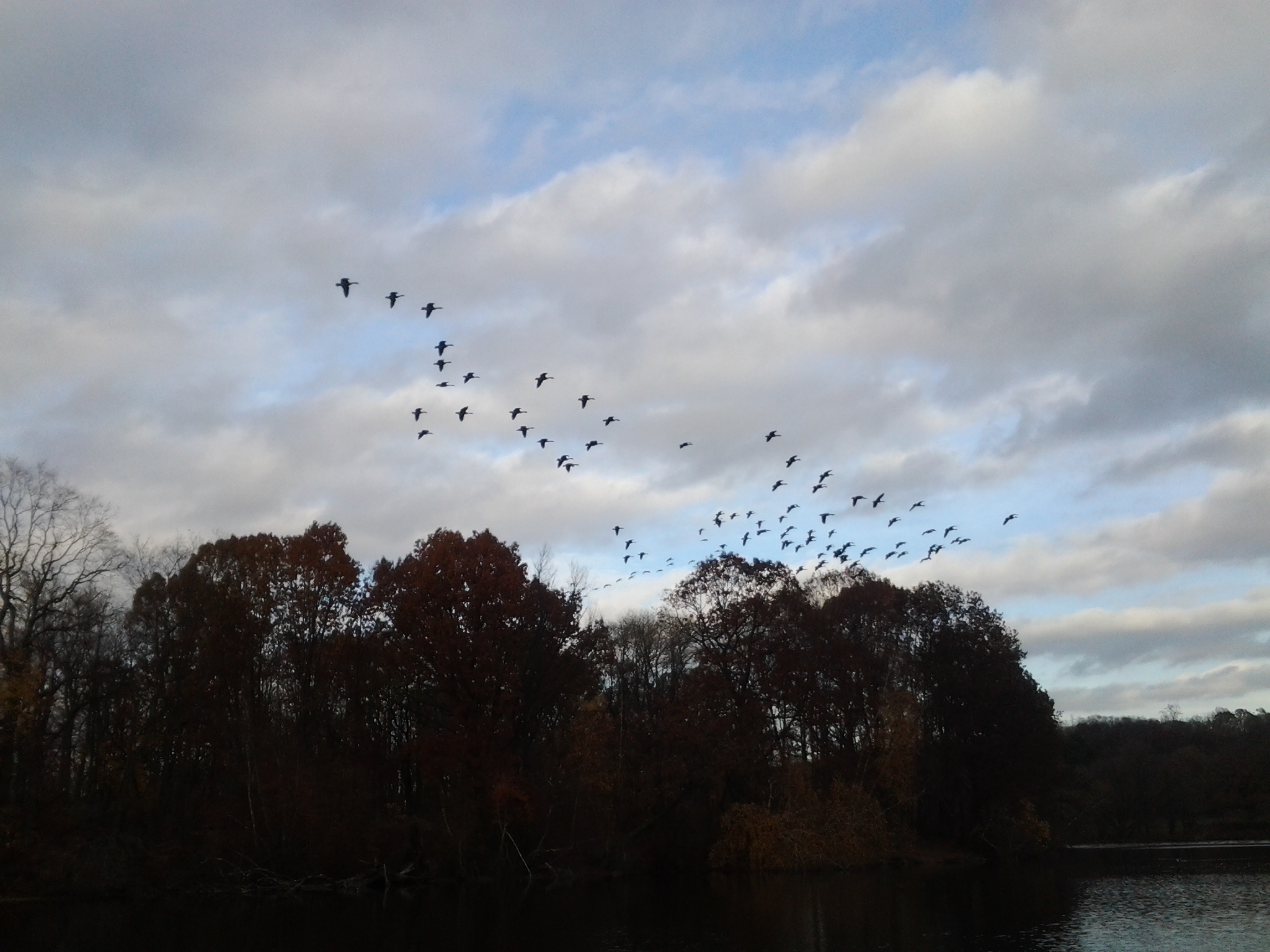
A northwest wind pushed a broken front of variegated gray cloud. The air became damp and just a hint of my steaming breath could be detected when I paused to watch and photograph a large flock of geese descend onto the lake.

Geese descending onto Van Cortland Lake. (photo taken 11 21 2013)

Geese descending onto Van Cortland Lake. (photo taken 11 21 2013)

With the nymph drawing a goose egg and direct sunlight fading, I decided to change gears and “cheat” – my term for using an Olive Woolly Bugger with a bead head. The pattern is so effective for trout, bass, and panfish in New York’s creeks and lakes that I only use it now when I want to save a day from ending fishless.

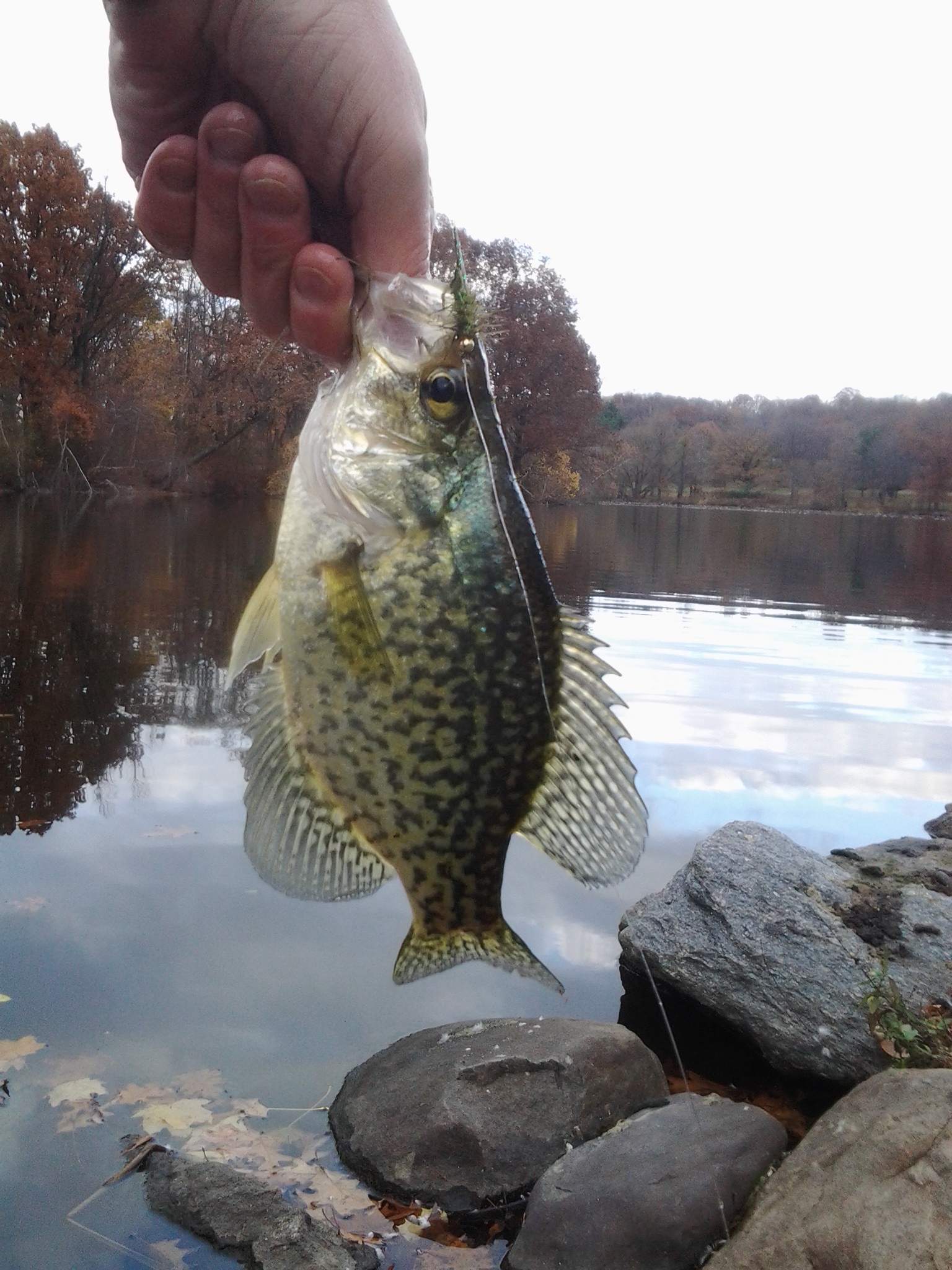
First cast . . . a slow, deliberate take, followed by several short, strong swims, brought to hand a silvery black crappie. The bright fish obliged me for photos before release into water I found to be much colder than expected; a temperature in the low forties.

Black Crappie in hand. (photo taken 11 21 2013)

Black Crappie in hand. (photo taken 11 21 2013)

Second cast . . . another strike.

Catching added to casting, I moved on from the open grassy bank adjacent to the city golf course and hiked around to the forested side opposite. There the Old Putnam Trail attracted maybe half a dozen joggers who passed through at a brisk pace. No other individuals, angling or otherwise, were seen or heard until I flushed an industrious black squirrel along with several gray ones, each with an acorn in its mouth.

Black Squirrel beside the Old Putnam Trail. (photo taken 11 21 2013)

Black Squirrel beside the Old Putnam Trail. (photo taken 11 21 2013)

Casting a fly around the branches looming above my head and sticking out of the water before me proved to be a chore in the half light of late afternoon. I lost one Olive Wooly Bugger with a bead head, but found another Olive Wooly Bugger without one hanging from a nearby bush gone bare. That find permitted me to call it even as a small flock of hooded mergansers swam off into the graying day. I left the lake to Orion, who would soon be hunting overhead.

Hooded Mergansers head into the marsh. (photo taken 11 21 2013)

Hooded Mergansers head into the marsh. (photo taken 11 21 2013)

– rPs 11 27 2013

Leave a Comment

One More

One More . . .

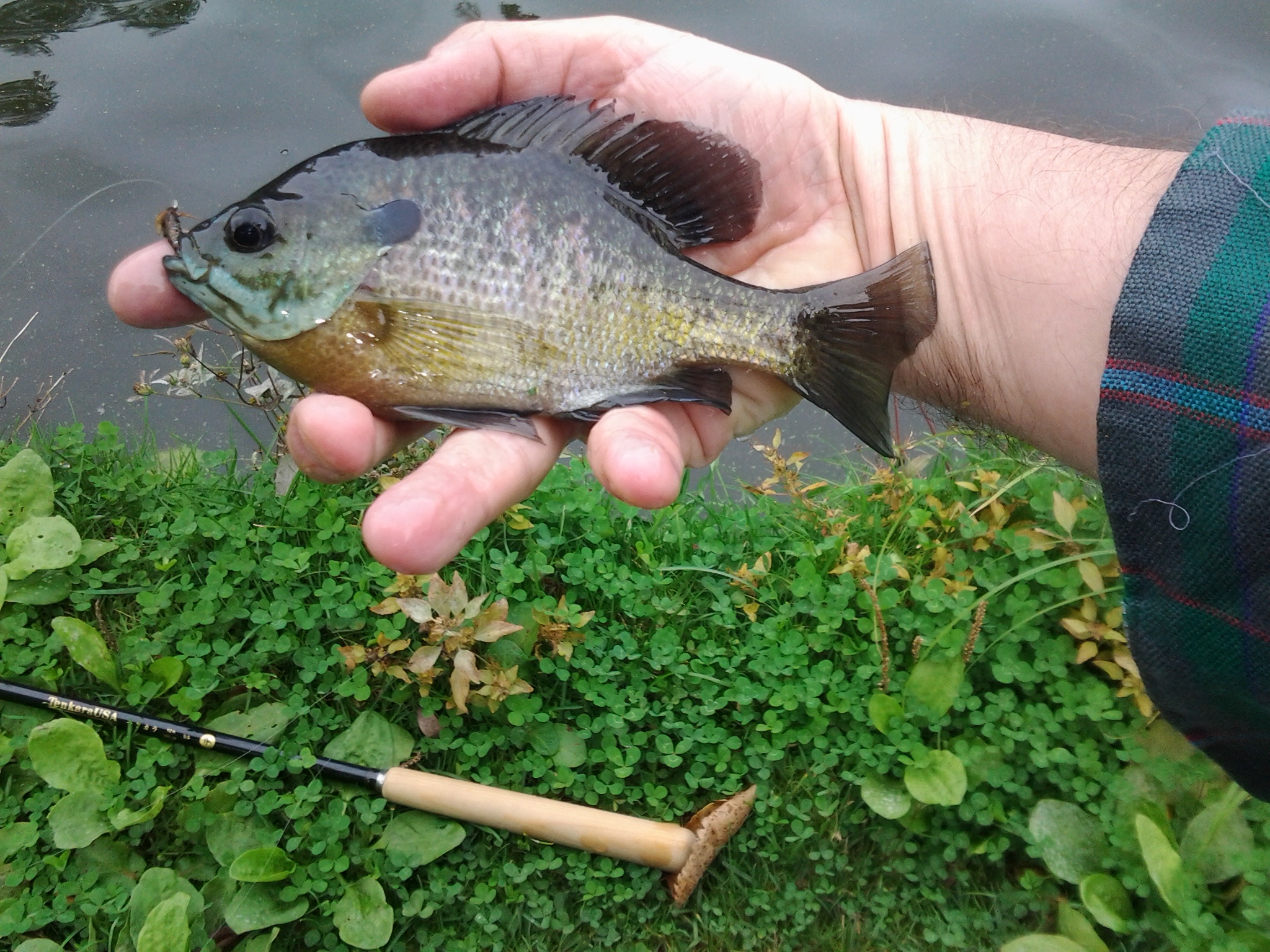
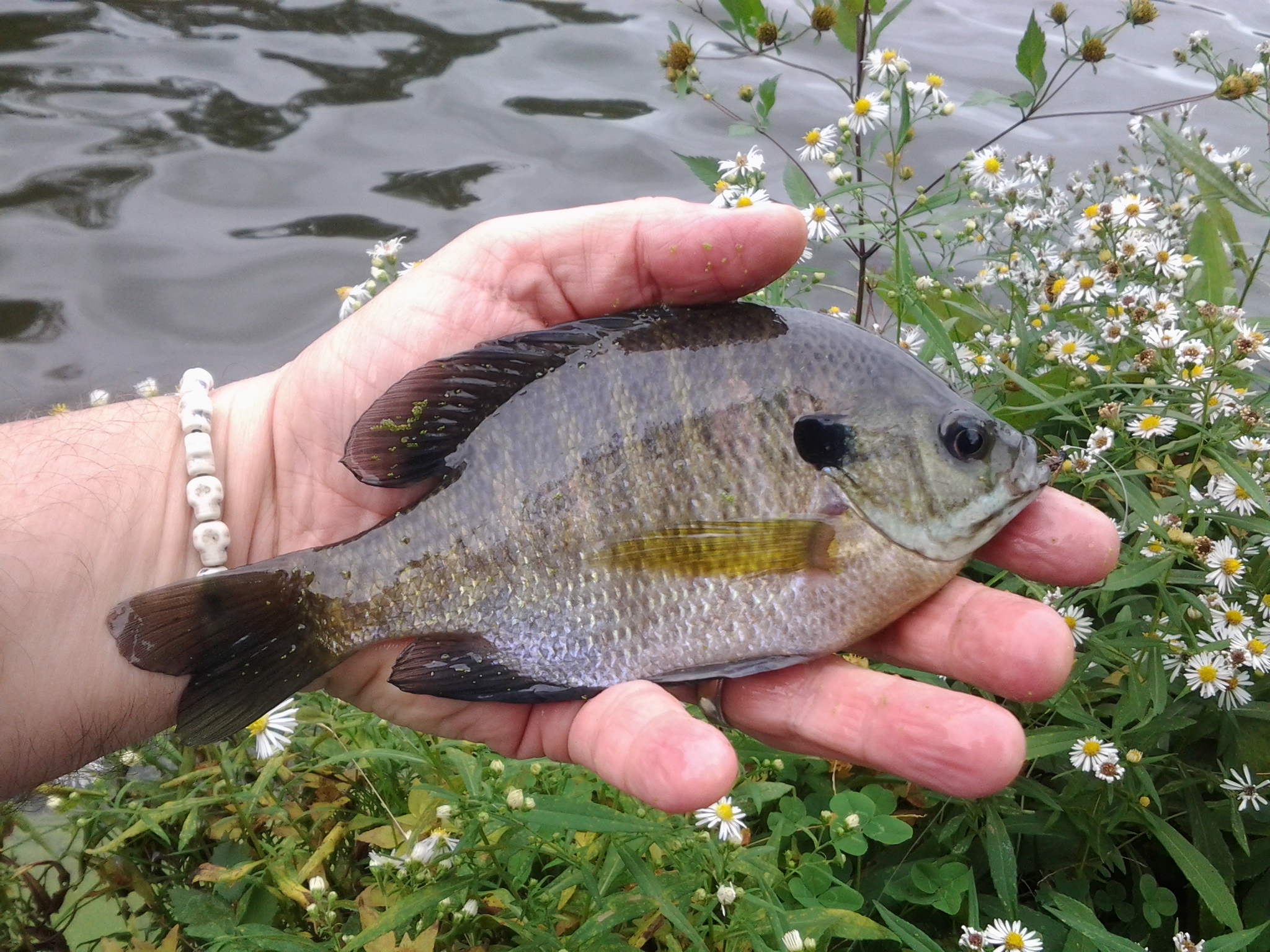
Tenkara is an excellent way to connect with bluegill in October. (photo taken 10 09 2013)

Tenkara is an excellent way to connect with bluegill in October. (photo taken 10 09 2013)

When the leaves are just about to turn and the asters are flush with their tiny daisy faces, there appears one more window of decent bluegill and largemouth bass fishing before the inconsistent angling of the cold months arrives. Ponds are pretty places at this time and the fish remain within the fixed range of tenkara equipment.

My fly shop coworker, Jesse Valentin, wanted to squeeze in one more outing this month before some necessary dental work. I happily accompanied him . . . to Harlem Meer. There I employed my technique of a large nymph, fished slowly and steadily, in and around the pond’s deeper areas. A size 10 Zug Bug brought two nice fish quickly to hand; I noted a slow lift, rather than twitches, teased these fish into striking.

Bluegill with Asters. (photo taken 10 09 2013)

Bluegill with Asters. (photo taken 10 09 2013)

A chilly wind from the northwest began to pick up as the sky turned gray after noon. Satisfied with the bluegill, I decided to experiment in my quest for a bass. I used a dropper loop to attach a size 6 Olive Flats Fly, a weighted pattern designed for bonefish and permit, yet its greenish tones and split tail make an excellent crayfish imitation.

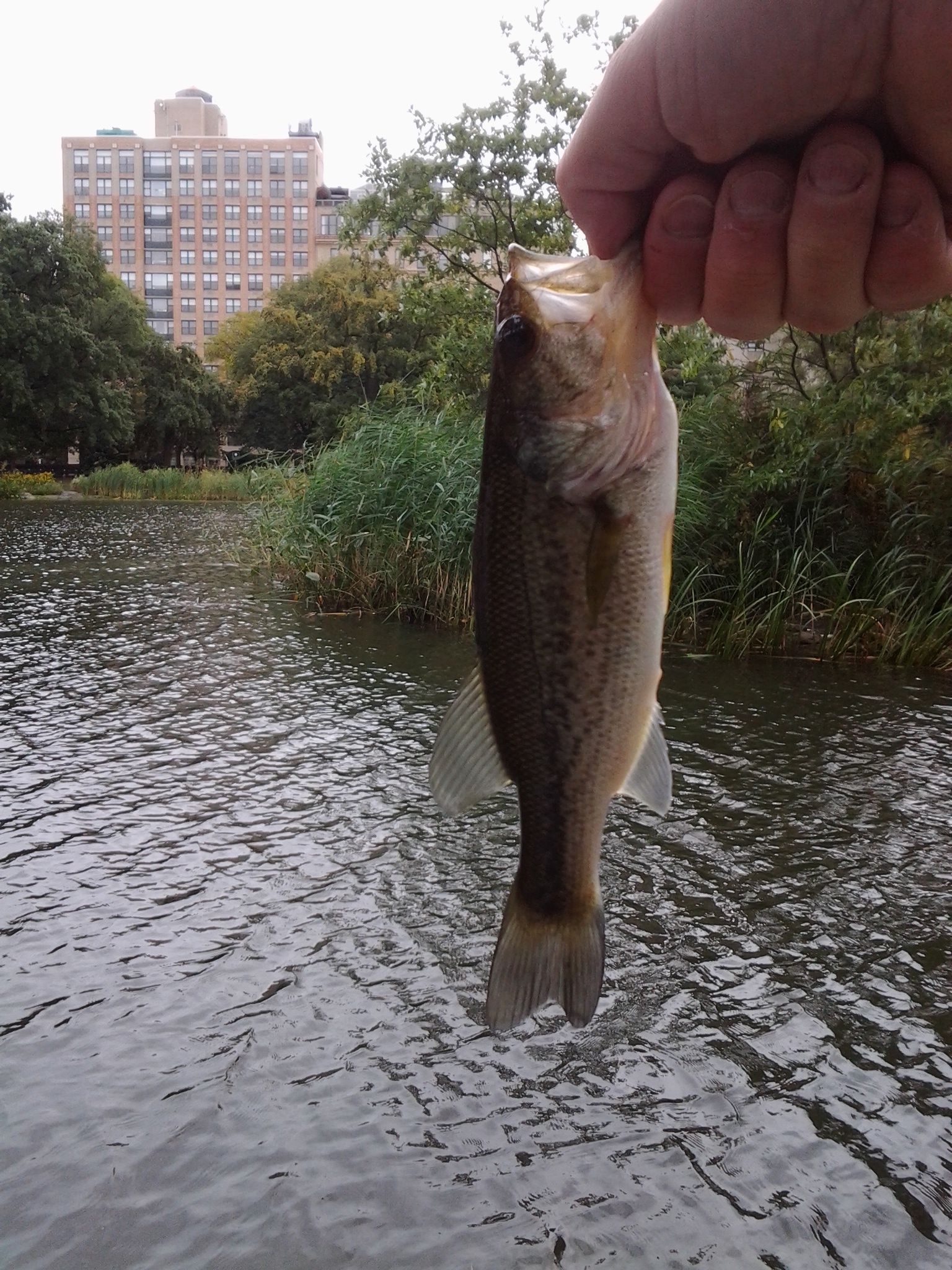
The extended length of my Ebisu model allowed me to precisely work the fly along the base of some reeds going brown where a flash of bright green connected with me. Three jumps later, a modest largemouth bass allowed itself to be brought ashore for an authentic urban angling photograph: a bucolic pond with a brick highrise standing in the background.

Bright Bass, Big City. (photo taken 10 09 2013)

Bright Bass, Big City. (photo taken 10 09 2013)

Jesse, for his part, caught a bass and a black crappie with one of the jigs from his own vise, so we both headed home happy, knowing we had seized the opportunity for one more easy, fish-filled day. The gray and brown months, the time when methodical angling in uncomfortable weather produces sporadic catches, arrives with holiday season, which begins today on Halloween . . .

Boo!

– rPs 10 31 2013

Leave a Comment

« Newer Posts · Older Posts »
Design a site like this with WordPress.com
Get started